UN Security Council Faces Division Over Afghanistan Mission Extension
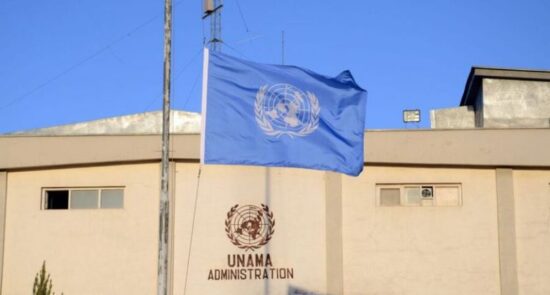
The United Nations Security Council is set to convene to discuss the extension of the United Nations Assistance Mission in Afghanistan (UNAMA), as the United States’ push for a short-term, three-month extension faces significant opposition from China and other council members…
Political and Humanitarian Mission on the Line
On Monday, the Security Council will vote on the future of the political and humanitarian presence of the UN in Afghanistan. This meeting comes in the wake of a 20-year tradition of annual extensions for UNAMA, now challenged by the US’s unusual proposal for a shorter timeline.
Divisions Among Permanent Members: Washington vs. Beijing
According to diplomatic reports, a preliminary draft proposed by China called for the usual one-year extension of UNAMA’s mission. However, the United States has openly rejected this, insisting instead on a temporary three-month extension. Washington argues that given the complex ground realities and high costs of the mission, the Security Council needs a shorter timeframe to evaluate whether UNAMA’s current structure aligns with the realities under Taliban governance and whether it remains operational.
Concerns Over Undermining the UN’s Position
In contrast, China and most Security Council members contend that a short-term (three-month) extension would send a message of instability and uncertainty to Kabul and the international community. These nations argue that such a decision could undermine the Taliban’s trust in UN-mediated efforts, diminish the morale of UNAMA staff, and jeopardize the mission’s standing in Afghanistan.
Key Points of the Final Draft
The final draft, prepared after intensive consultation between Beijing and other members, emphasizes not only the extension of the mission but also critical issues such as human rights and women’s rights (immediate lifting of educational and occupational restrictions on women and girls imposed by the Taliban), political structure (appointment of a new special representative for the UN to advance political dialogue), and security and economics (serious counter-terrorism efforts, reducing harm to civilians, economic development, and support for mine clearance initiatives).
Future of International Presence
The vote on Monday will reveal whether the Security Council can strike a balance between the need for a reevaluation proposed by the US and the necessity of ongoing presence reiterated by other members. If approved, a three-month extension would signify that UNAMA is entering a challenging review period, potentially transforming the future structure of international presence in Afghanistan.
-

Taliban Intensifies Pressure on Afghanistan’s Shia Community: Educational Institutions Targeted
-
Funding Crisis Threatens Women’s Organizations in Afghanistan
-
Clashes Erupt in Kamdish as Taliban and Afghanistan Freedom Front Engage in Heavy Fighting
-
Herat’s Trade Boom: Exchanges with Kazakhstan Reach $581 Million
-

Afghan Families Struggling Amid Soaring Food Prices and Economic Crisis
-
Tensions Flare Again Along the Durand Line Amid Conflicting Claims