Social updated: November 3, 2026
Short Link:Kabul Residents Rally for Individual Electricity Meters Amid Rising Costs
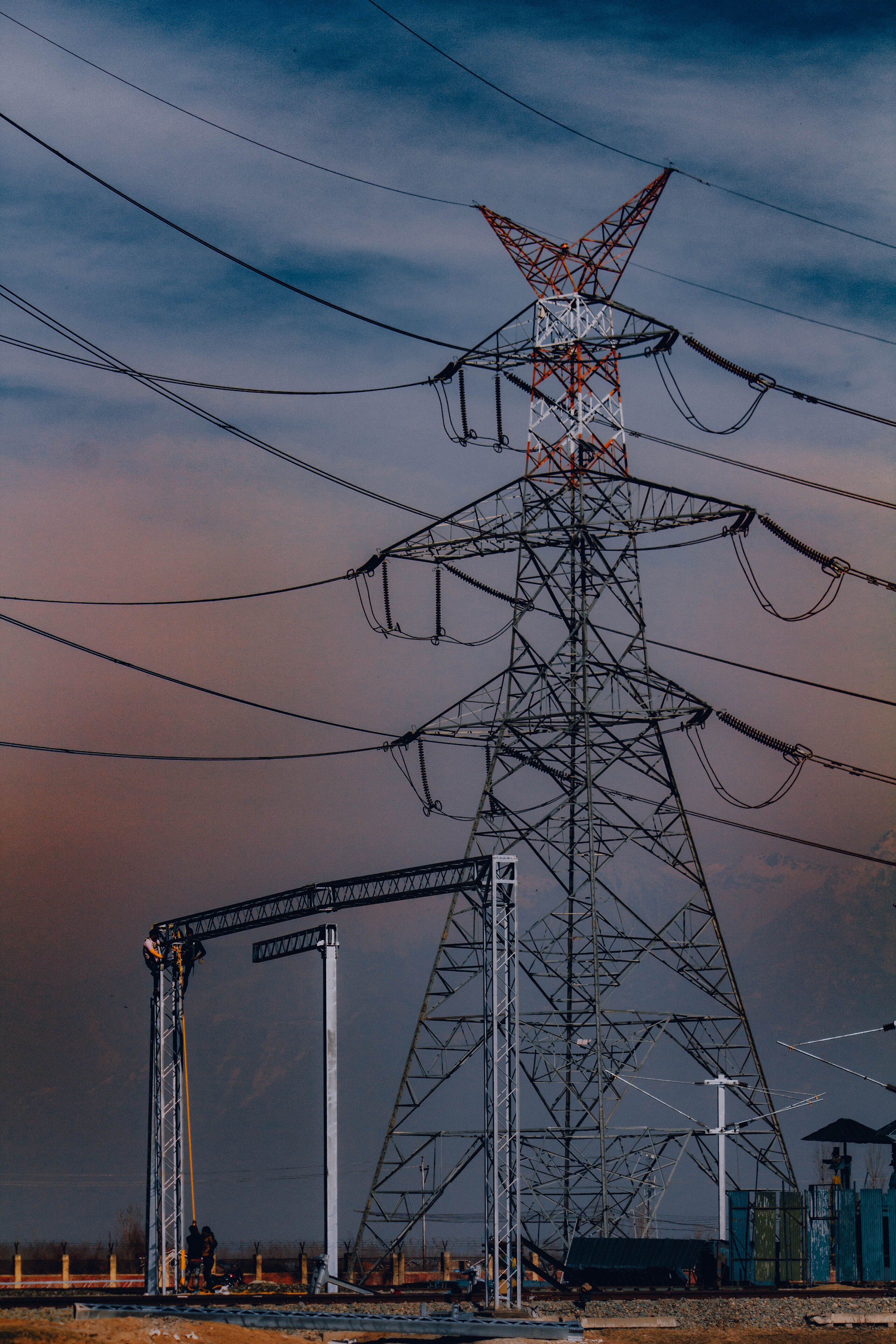
Residents of residential buildings in Kabul are demanding separate electricity meters for each apartment due to the policies of the power company, Breshna. This policy has led to increased electricity tariffs and financial strain on families.
Kabul Residents Demand Separate Electricity Meters for Each Apartment
In Kabul, residents of apartment buildings are calling for the installation of separate electricity meters for each unit due to a new policy from the electricity company. Under Taliban management, Breshna has refused to provide independent meters for apartment units, opting instead to install a single shared meter for each block.
This approach results in a collective calculation of electricity consumption for all units, with tariffs assessed based on tiered rates. Reports indicate that this system has significantly increased electricity costs for each household, placing a heavy financial burden on residents.
Citizens of Kabul believe this policy is unfair and contributes substantially to the rising cost of living. Despite repeated requests for the installation of separate meters, Breshna officials have offered no response.
Challenges of Electricity Production and Supply in Kabul
Energy experts point to the inability to supply adequate electricity and severe production shortages as primary reasons behind these decisions. They argue that by developing solar power projects and building water dams, Afghanistan could achieve electricity self-sufficiency within a few years.
Currently, Kabul is facing a crisis, with about 80% of the country’s electricity needs being met through imports from neighboring countries. Although the Taliban leader recently established a five-year energy development plan aimed at reducing reliance on imports, the increasing population and ongoing apartment construction pose serious challenges to the provision of essential services in the capital.
-

Panjshir Women Demand Global Action Against Taliban Atrocities
-
Red Cross Enhances Health and Welfare of Afghan Women Amid Challenges
-
France Initiates Talks with Taliban to Facilitate Afghan Asylum Seeker Repatriation
-
US Shifts Security Focus to Drug-Trafficking Regimes in New Foreign Policy Approach
-
Taliban Reinforces Controversial Virtue Law Amidst Global Scrutiny
-
Taliban Leader Hibatullah Akhundzada Named Among Key Threats to Media Freedom Worldwide