Increase in Threats and Censorship Push Afghan Journalists to the Brink
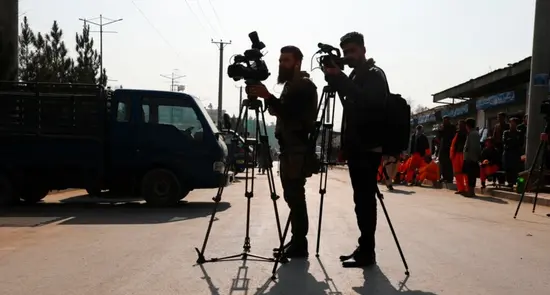
Journalists in Afghanistan are increasingly voicing their concerns over heightened restrictions and threats. They report that the current situation has diminished their motivation to continue working. Media support organizations have also expressed alarm over the detention of reporters.
Rising Pressures on Journalists: A Serious Threat to Media Freedom in Afghanistan
A number of journalists in Afghanistan are complaining about escalating pressures, censorship, and threats dominating the media landscape. They assert that these conditions have stripped them of their professional motivation, leading many to consider leaving journalism if alternative job opportunities arise.
Mass Arrests of Journalists
In the past five years, media support organizations have raised concerns about the detention of dozens of journalists and have accused the interim government’s intelligence agency of imposing censorship and repression. Hamidi Obaidi, head of the Afghanistan Media Support Organization, stated that all media programs are routinely monitored, allowing only content that aligns with the prevailing narrative to be published.
International Concerns and the Erosion of Female Journalists
Reporters Without Borders (RSF) reported that at least 77 journalists have been arrested over the last five years on false charges such as espionage and propaganda. The organization is also worried about the gradual elimination of female journalists and the forced migration of hundreds of media professionals in this field. This issue has previously been highlighted in reports by the United Nations Assistance Mission in Afghanistan (UNAMA) and the Committee to Protect Journalists (CPJ).
Government Denial of Accusations
In response to these concerns, Hamdullah Fatret, the deputy spokesperson for the interim government, dismissed the accusations and emphasized the legality of the security agencies’ actions. This comes at a time when the media environment in Afghanistan is severely affected by restrictions and security oversight.


