UN Highlights Rising Threats from ISIS-K and TTP Amid Al-Qaeda’s Decline in Afghanistan
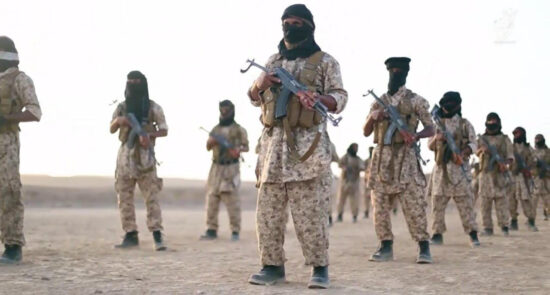
The Acting Assistant Secretary-General of the United Nations Office of Counter-Terrorism emphasized the diminished presence of al-Qaeda in Afghanistan, while identifying ISIS-Khorasan and Tehrik-i-Taliban Pakistan (TTP) as the most active and threatening groups currently. Kabul, however, has firmly rejected these claims and continues to assert its commitment to the complete eradication of terrorism.
Overview of ISIS-Khorasan and TTP as Emerging Threats
In a recent assessment, the United Nations shared its updated perspective on the geography of threats and the status of militant groups operating in Afghanistan. Alexander Zuev, the Acting Assistant Secretary-General for Counter-Terrorism, stated in interviews with international media that the al-Qaeda network no longer maintains the extensive operational presence it had in Afghanistan over previous decades. He noted that while the group has lost considerable maneuverability, remnants and core elements still have a physical presence in certain areas of the country.
This high-ranking diplomat clarified the legal and formal terminology used by the United Nations regarding the political structure in Kabul, indicating that the organization refers to the current authorities as the ruling officials. He attributed this choice to the lack of formal recognition of this structure as the legitimate government of Afghanistan by the UN General Assembly, despite acknowledging that they effectively exercise control over the country.
Highlighting ISIS-Khorasan and TTP as Potential Dangers
The United Nations identified the ISIS-Khorasan branch and the TTP as the most concerning armed groups currently active in the region. Zuev believes these factions demonstrate greater mobility and offensive potential compared to other traditional groups, which raises alarm among neighboring countries.
These statements come amid continuous denials from the acting government in Kabul regarding the influence, establishment, or any organized activities of foreign armed groups on Afghan soil. Officials in Kabul have repeatedly assured that no entity or network will be permitted to use Afghanistan as a base for launching threats against the security and stability of neighboring countries or the wider international community.
Government Spokesman Emphasizes Complete Destruction of Destructive Elements
In response to the concerns raised by regional authorities, including the Russian Foreign Minister, Zabiullah Mujahid, the spokesman for the acting government, previously announced that the ISIS-K branch has been entirely suppressed and dismantled across all areas of the country, without any physical presence or public base in Afghanistan.
The spokesman stressed the commitment to national security and the consolidation of state authority across the entire territory, asserting that Kabul maintains full oversight of the security situation. The capital has explicitly urged neighboring countries and regional stakeholders not to be influenced by exaggerated reports and to have no fears regarding the borders shared with Afghanistan. For further context on the dynamics in the region, see how Ahmad Massoud critiques Taliban’s security policies amid rising geopolitical tensions.
-

UN Calls for Urgent Action as Afghanistan Faces Deepening Crisis
-
Public Outcry Over Controversial Traffic Police Signage in Afghanistan
-
Successful Military Operation in Nuristan Halts ISIS Infiltration
-
Tensions Flare Again Along the Durand Line Amid Conflicting Claims
-
Turkey’s Intelligence Chief Engages in Security Talks in Afghanistan and Pakistan
-

New Wave of Arbitrary Arrests of Women in Kabul and Herat Raises Alarms