Mullah Fazlur Rehman Calls for Diplomatic Reset in Pakistan-Afghanistan Relations
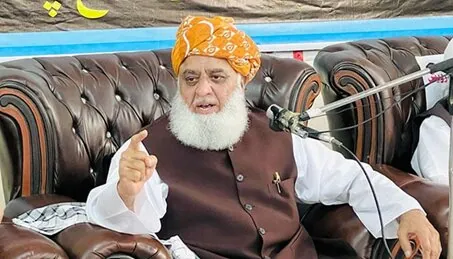
Mullah Fazlur Rehman, the head of the Jamiat Ulema-e-Islam political party in Pakistan, has sharply criticized the country’s 78-year policy towards Afghanistan. He emphasized that Islamabad’s purely “security-focused and militaristic” approach has hindered the establishment of friendly relations with Kabul. He called for a serious reassessment of these policies, advocating for the use of diplomatic tools instead of conflict.
Call for Shifting from “War” to “Dialogue and Coexistence”
Mullah Fazlur Rehman, a prominent figure in the Jamiat Ulema-e-Islam party, questioned the Pakistan government’s policies regarding Afghanistan in a critical address, stating that Islamabad has failed to develop genuinely friendly and tension-free relations with Kabul over the past 78 years.
According to Dawn News, Fazlur Rehman pointed to the prevailing security-centric approach in Pakistan’s regional policies, stating: “You only know war; this issue will not be resolved by you.”
Peace Cannot Be Achieved through War, nor within Pakistan
The Jamiat Ulema-e-Islam leader emphasized the necessity of avoiding conflict, asserting that “war is not a solution between Afghanistan and Pakistan, nor does it hold any place within Pakistan’s borders.” He insisted that there should be no war between the two countries, nor should any room for armed conflict exist within Pakistan.
Fazlur Rehman continued, stating that if the goal is to establish peace and stability in the region, then it will not be attainable without a serious reevaluation of past policies and approaches, which have relied on confrontation, distrust, and a purely security-based perspective.
Time to Shift Focus from “Conflict” to “Diplomacy”
The leader of the Jamiat Ulema-e-Islam hinted at the long history of tensions and interventions in Afghanistan, emphasizing that it is time for Islamabad to change its perspective from “war and confrontation” to “dialogue and coexistence”. He urged the government to move away from hard measures and instead embrace diplomacy, confidence-building, and genuine cooperation with Afghanistan.
His explicit criticism of the official policy may reflect a growing discontent among influential religious and political factions in Pakistan regarding the continued security approach towards Afghanistan. This party has traditionally played a significant role in developments related to Afghanistan and religious seminaries.


