Maulana Fazl-ur-Rehman Launches Nationwide Protests Against Rising Fuel Prices and Economic Policies
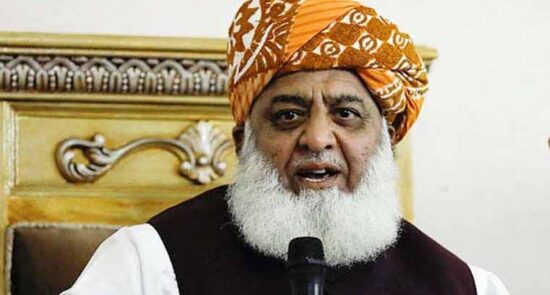
Maulana Fazl-ur-Rehman, leader of the Jamiat Ulema-e-Islam party in Pakistan, has harshly criticized the government’s economic policies, calling the closure of borders with Afghanistan a futile action that harms Pakistan. He announced the start of nationwide protests as well as a large gathering in Mardan, pointing out the unprecedented rise in fuel prices.
Pakistan’s Economic Self-Inflicted Wounds and Trade Isolation
In a press conference, Maulana Fazl-ur-Rehman explicitly criticized the Pakistani government’s approach towards Kabul, deeming the economic pressure tactics of closing borders as entirely ineffective. He stated that while Islamabad believes it is putting pressure on the Taliban, Afghanistan has successfully found alternative trade routes in Central Asia and continues its economic activities.
Fuel Price Shock and Call for Nationwide Protests
Further addressing the dire living conditions within Pakistan, Fazl-ur-Rehman denounced the unjustified hike in petroleum product prices. He announced that his party will organize protest gatherings in all district centers across Pakistan this coming Friday. The goal of these demonstrations is to pressure the government to roll back its recent decisions regarding exchange rates and prices. He also called for clarification from the government regarding its claims of ten ships passing through the Strait of Hormuz and the revenue generated from that.
Initiation of the Protest Movement on April 23
According to Fazl-ur-Rehman, a significant public gathering will take place on April 23 in Mardan, marking the official commencement of a nationwide movement against the current government’s policies. He emphasized the necessity of uniting all opposition parties to resist any legislation that disregards the spirit of the constitution.
These protests come as the Pakistani government, pressured by global price increases, has raised the price of diesel by 54.9% to 520 rupees and petrol by 42.7% to 458 rupees per liter. This has sparked widespread dissatisfaction among various sectors of Pakistani society.


