Kabul Residents Endure Week-Long Power Outages Amid Promised Restorations
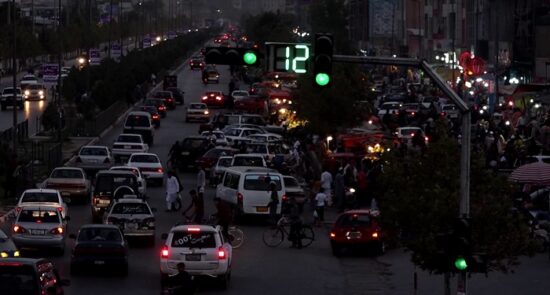
Frequent power outages in Kabul have disrupted daily life for residents, leading to widespread dissatisfaction. Despite promises from the electricity provider, Barqasana, under Taliban control, to restore power from the imported lines from Uzbekistan, residents report that the capital remains in darkness…
Residents Frustrated by Power Cuts and Electricity Distribution Issues
Some residents of Kabul say they have been dealing with extensive power outages for over a week; a situation they claim has severely disrupted their daily lives.
According to these residents, electricity is completely cut off during the day and is only available for a few limited hours at night. They report that during this time, their electrical appliances remain unused, and many work and educational activities have come to a halt.
Complaints of Blackouts
Adila, a resident of the Khamsad Family neighborhood in Kabul, expressed her frustration: “We haven’t had electricity for a week. It’s available at night, but it cuts out again by morning. Life has become very difficult, and we don’t know when this issue will be resolved.”
Another resident from Khair Khana echoed similar sentiments: “The electricity only comes at night for one or two hours. It’s completely off during the day. All our appliances are electric, but we can’t use them. The power cuts are truly putting people in a difficult situation.”
In the Karte Parwan area, residents report a similar predicament. One individual stated, “The power situation is unstable; we only have three to five hours of electricity in a 24-hour period. It’s worse than before.”
Social Media Feedback
Dozens of users on social media have taken to criticizing Barqasana’s management through comments on the company’s official page, stating that the capital has been plunged into darkness. They questioned why the promised reconnection of electricity imports from Uzbekistan, which was supposed to occur last Monday, has yet to take place.
Barqasana’s Response
On October 20, Barqasana, operating under Taliban control, announced that restoration work on the imported power line from Uzbekistan, which had been cut the previous week, is ongoing and will be reestablished soon.
Abdul Bari Omar, the CEO of Barqasana, stated on his X account on October 21 that technical teams are working day and night. However, he noted that due to high water levels in the Amu River, the restoration process is proceeding cautiously.
He confirmed that the 220-kilowatt power line imported from Uzbekistan was damaged above the Amu River, which has led to increased outages in Kabul and other provinces.
African Power Dependency
According to Barqasana, this issue has led to a reduction in electricity supply, including in Kabul, across 11 provinces. Afghanistan imports a significant portion of its energy needs from Uzbekistan, Turkmenistan, Iran, and Tajikistan.
The Special Inspector General for Afghanistan Reconstruction (SIGAR) reported that approximately 80 percent of the country’s electricity comes from abroad, costing Afghanistan nearly $220 million annually for electricity purchases from neighboring countries.
-

Tensions Flare Again Along the Durand Line Amid Conflicting Claims
-
Turkey’s Intelligence Chief Engages in Security Talks in Afghanistan and Pakistan
-
Human Rights Advocates Urge Action Against Taliban’s Suppression of Religious Minorities in Afghanistan
-
Russia Urges Taliban and Pakistan to Seek Dialogue Amid Rising Tensions
-

Taliban Condemns Pakistani Airstrikes, Promises Strong Response
-

New Wave of Arbitrary Arrests of Women in Kabul and Herat Raises Alarms