Afghan Deputy Minister Rebuffs Trump, Defends National Sovereignty and Trade Relations with India
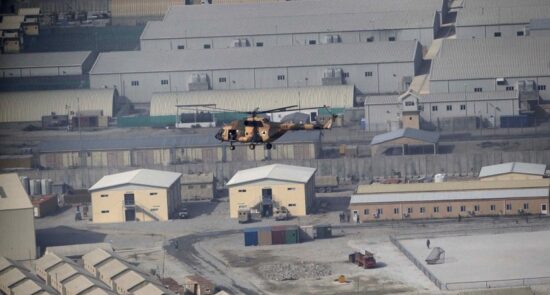
Deputy Minister of Information and Culture of the caretaker government responded mockingly to Donald Trump’s claims regarding the retrieval of Bagram Base, while firmly defending national sovereignty against Pakistan and emphasizing the development of independent trade relations with India.
Dismissive Response to Donald Trump’s Claims
In a recent exclusive interview with India Today, Hedayatullah Mohajer Farahi, the Deputy Minister of Information and Culture, sharply rebuffed U.S. President Donald Trump’s requests for control of Bagram Airfield. He dismissed Trump’s assertions, stating that the former president can only dream of regaining Bagram, which will remain forever under the control of Afghan forces as a symbol of the occupiers’ defeat.
Warning to Pakistan and Emphasis on National Sovereignty
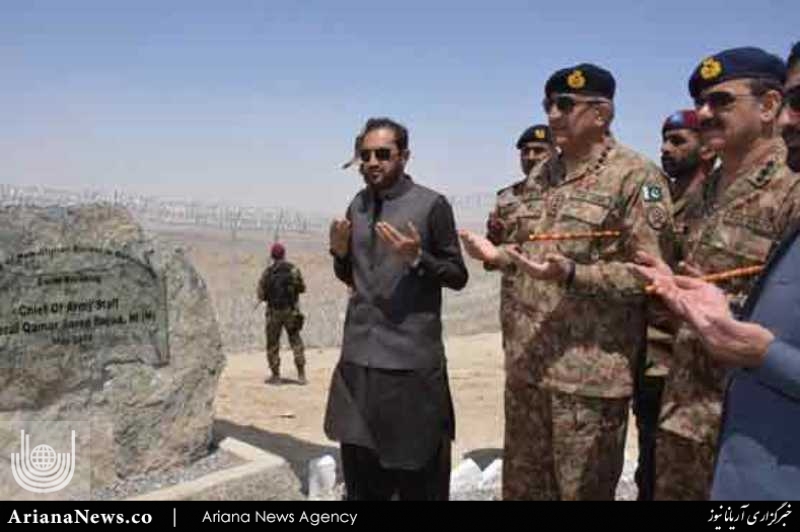
During the interview, Farahi referred to escalating border tensions and security issues with Pakistan, characterizing the caretaker government’s stance towards its southern neighbor as assertive. He delivered a stern warning to Islamabad, stating that security forces are prepared to respond robustly to any external provocations along the borders and will defend Afghanistan’s national sovereignty and territorial integrity at all costs. He attributed the rising tensions to the misguided policies of Pakistan’s military government. For further context, Afghanistan has protested against Pakistani airstrikes as civilian death toll rises.
Enhancing Trade Relations with New Delhi and Independence in Foreign Policy
The deputy minister further highlighted the commitment to strengthening economic, transit, and trade relations with India based on mutual respect and national interests. Farahi noted the deep-rooted and historic ties between Kabul and New Delhi, asserting that no foreign power can dictate whom Afghanistan should befriend. In conclusion, he revealed that the Kabul administration is actively pursuing strategies to reduce its economic dependence on Pakistan’s ports and routes, which are often politically restricted, by developing alternative trade routes through Iran, Central Asia, China, and India. These new arteries of trade are currently being reinforced, including potential ties as discussed in Strengthening Bonds: Afghanistan and Iran Aim for $10 Billion Trade as Tensions with the U.S. Persist.
-

UN Calls for Urgent Action as Afghanistan Faces Deepening Crisis
-
Afghanistan’s Road Crisis: Over 92% Unpaved, Threatening Access to Healthcare
-
Returnees from Pakistan Face Dire Educational and Economic Challenges for Daughters
-
Tensions Flare Again Along the Durand Line Amid Conflicting Claims
-
UN Official Urges Essential Role of Women in Afghan Humanitarian Efforts
-
Turkey’s Intelligence Chief Engages in Security Talks in Afghanistan and Pakistan