Controversy Erupts Over Afghan Commando’s Death in ICE Custody in Texas
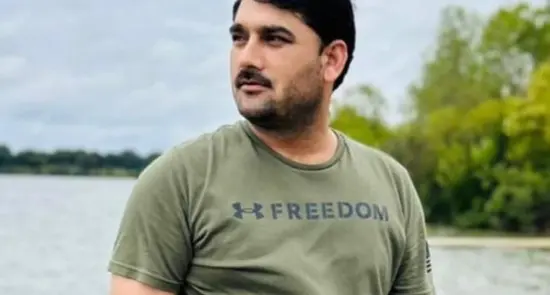
Texas officials have determined that the death of Mohammad Nazir Paktiwal, a former Afghan commando, in U.S. Immigration and Customs Enforcement (ICE) custody was the result of a severe allergic reaction and an asthma attack. This incident has sparked protests and demands for clarification from both family members and U.S. lawmakers.
Official Findings on the Afghan Commando’s Death in Texas
Officials from the Texas judicial and forensic departments have released an official death certificate for Mohammad Nazir Paktiwal, a former commando and member of the Afghan special forces, following legal investigations. According to this certificate, his death, which occurred while in ICE custody, has been classified as accidental. The report explicitly states that the primary cause of death was a severe allergic reaction (anaphylactic shock) alongside a sudden and acute asthma attack.
Sudden Arrest and Death Within 24 Hours
Mohammad Nazir Paktiwal was one of the elite soldiers who fought side by side with U.S. special operations and intelligence forces against terrorism in Afghanistan for many years. After the fall of the republic, he relocated to the United States, but while his asylum application was still in process, he was unexpectedly detained by ICE agents. Shockingly, Paktiwal’s health deteriorated less than 24 hours after being transferred to detention, leading to his death shortly after being taken to the hospital.
Calls for Clarity and Demands for Detailed Reports
Although Texas officials have categorized the cause of death as a natural incident, this explanation has failed to satisfy Paktiwal’s family and their legal representatives. The family, alongside immigrant rights activists and numerous lawmakers in Congress, have expressed skepticism regarding the medical care provided in detention, demanding the uncensored release of a complete forensic report. Critics argue that ICE must clearly explain why emergency measures were not promptly executed for this former soldier who risked his life for U.S. interests. In light of this tragic incident, there have been calls for investigation into Afghan refugees’ tragic deaths, highlighting the urgent need for transparency and accountability.


