Article updated: December 23, 2025
Short Link:Targeting Infrastructure and Livelihoods in the West Bank and Gaza
The Impact of Infrastructure Damage in Gaza and the West Bank: A Human Rights Perspective
Ariana News Agency-
The protracted conflict in the Middle East, particularly in the Gaza Strip and the West Bank, has led to significant damage to critical infrastructure, exacerbating the humanitarian crisis in the region. This article delves into the systematic targeting of water, agriculture, and energy systems, which has deeply affected civilian livelihoods and contributed to ongoing human rights violations.
Understanding the Conflict
The conflict in Gaza and the West Bank is rooted in a complex history of occupation and intermittent violence spanning over five decades. This prolonged state of unrest has seen both state and non-state actors engage in actions that have systematically targeted civilian infrastructure. The consequences of these actions are far-reaching, impacting not only the immediate living conditions of the local population but also their long-term prospects for peace and development.
The Targeting of Water Infrastructure
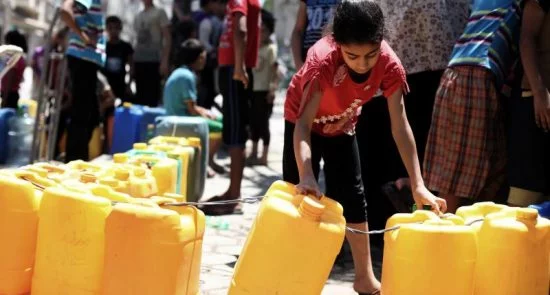
Water infrastructure has been a primary target in the conflict, leading to severe shortages and contamination issues. The destruction of pipelines and treatment facilities has left many communities without access to clean water, further exacerbating health crises. Similar issues have been observed in other conflict zones, such as Afghanistan, where unexploded ordnance has also posed significant risks to civilian populations.
Impact on Agriculture
Agricultural infrastructure has also suffered extensively, with farmland being destroyed and access to essential farming resources being severely restricted. This has led to food insecurity, a situation mirrored in other regions where conflict has disrupted traditional livelihoods. The struggle for survival in these conditions is reminiscent of the challenges faced by Somaya in Afghanistan, highlighting the universal impact of conflict on vulnerable populations.
Energy Systems Under Siege
Energy infrastructure in Gaza and the West Bank has been repeatedly targeted, leading to widespread power outages and further compounding the difficulties faced by civilians. The lack of reliable electricity affects hospitals, schools, and homes, creating a cycle of deprivation that is difficult to break. The situation is comparable to the plight of Gaza’s surviving children, who continue to struggle in the aftermath of military raids.
Humanitarian Implications
The destruction of infrastructure in Gaza and the West Bank has resulted in a humanitarian crisis that demands urgent attention. The lack of basic services has led to deteriorating health conditions, increased poverty, and a general decline in quality of life. This situation is not unique to the Middle East; similar challenges are faced by Afghan refugees in Pakistani prisons, where overcrowding and inadequate facilities have led to severe human rights concerns.
Efforts for Reconstruction and Peace
Rebuilding efforts are crucial to restoring normalcy in the region. International organizations and local governments must collaborate to repair and rebuild critical infrastructure, ensuring that civilians have access to essential services. Moreover, peace initiatives must prioritize the protection of civilian infrastructure to prevent further humanitarian crises. The international community’s role in supporting these efforts is vital, as demonstrated by the advocacy for Afghan refugees who suffer from severe mental illness due to displacement and conflict.
Conclusion
The ongoing conflict in Gaza and the West Bank highlights the devastating impact of infrastructure damage on human rights. As the international community continues to address these issues, it is imperative to focus on rebuilding efforts and peace initiatives that protect civilian infrastructure. By doing so, we can hope to alleviate the suffering of affected populations and pave the way for a more stable and prosperous future.
-

UN Official Urges Essential Role of Women in Afghan Humanitarian Efforts
-
UN Experts Call on Pakistan to Halt Afghan Refugee Expulsions Amid Rising Risks
-
Germany’s Ban on Afghan Migrants Draws Outrage and Despair
-
Kabul Compiles Diplomatic Dossier Accusing Pakistan of Terrorism Support and Human Rights Violations
-
UN Special Rapporteur to Highlight Women’s Health Rights in Afghanistan Amid Crisis
-
Protests Erupt in Herat Over Women’s Rights Amid Taliban Crackdown