Religious Schools Surge in Afghanistan Amid Declining Access to Modern Education
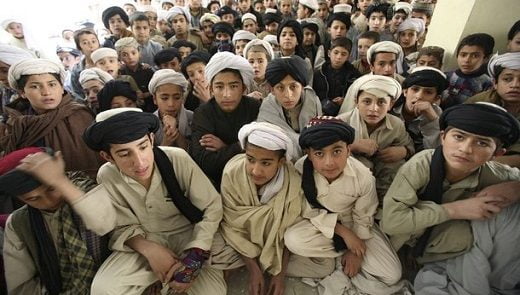
The expansion of religious schools in Afghanistan has led to a decline in access to modern education. Students express dissatisfaction with the current educational landscape.
Religious School Growth and the Decline of Modern Education Access in Afghanistan
In the past five years, Afghanistan has seen a significant increase in the number of religious schools. This development has raised concerns about diminishing access to modern and vocational education across the country.
Approximately 21,000 Religious Schools Operational in Afghanistan
Zabihullah Mujahid, a spokesperson for the Taliban government, has reported that around 21,000 religious schools are currently under the Ministry of Education’s supervision, with nearly 2.5 million students enrolled.
Hamza: My Dream is to Become a Doctor or Engineer, Not a Cleric
Thirteen-year-old Hamza from Nangarhar Province shares his experience after two years of formal schooling: “I studied in school for two years, but then I was sent to a religious school, even though I want to become a doctor or an engineer.” He adds that scientific subjects are not taught in his school.
Religious Education as an Option for Girls Denied Schooling
Some families choose religious education for their daughters as an alternative. Fourteen-year-old Nasreen, who has been studying religious sciences for the past two years after being denied further education, states, “I would be happy if subjects like biology and chemistry were offered.”
Challenges in Afghanistan’s Educational System: Where Have the Scientific Subjects Gone?
Although religious schools previously included scientific education, this balance has now been disrupted. Mujib Mehrdad, a spokesperson for the Ministry of Education, acknowledges that the curriculum should encompass both areas, yet this ideal is currently being challenged.
-

Afghan Girls Ignite Educational Initiative Amid Restrictions
-
Kunar’s Earthquake Survivors Struggle for Shelter as Winter Approaches
-
Healthcare Crisis in Afghanistan: Millions Face Medicine Shortages and Clinic Closures
-
EU Engages with Taliban on Afghan Refugee Repatriation Amid Growing Concerns
-
Pakistan’s PM Urges Global Action Against Rising Terrorism from Afghanistan
-
Kabul Compiles Diplomatic Dossier Accusing Pakistan of Terrorism Support and Human Rights Violations


