World updated: November 3, 2026
Short Link:Global Campaign Pushes for Protection of Hazara Community Amid Ongoing Threats
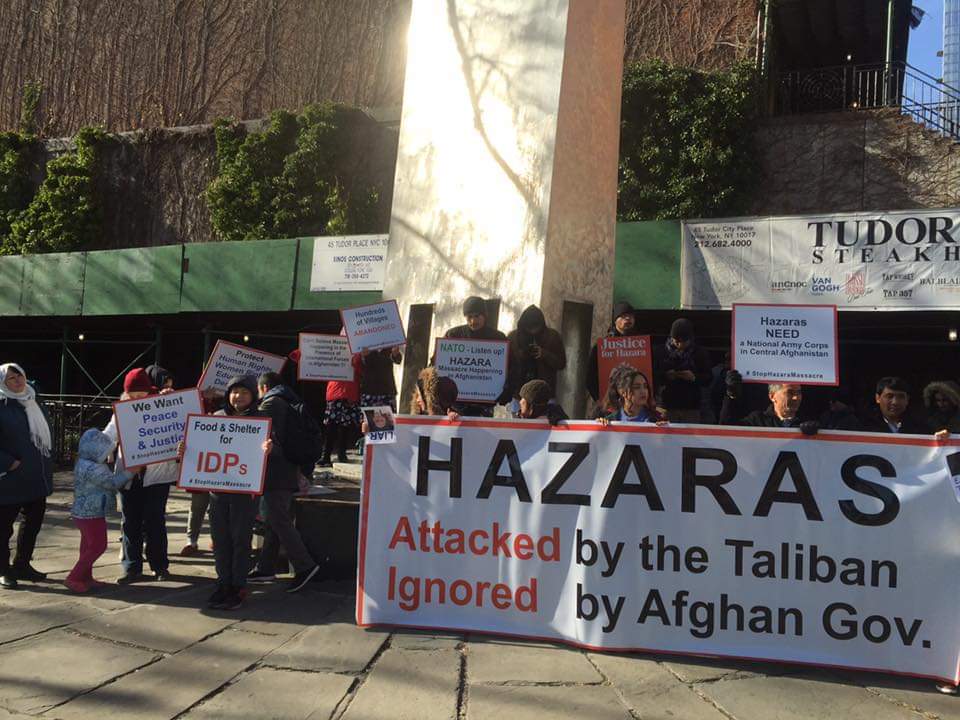
The Global Campaign to Stop the Genocide of Hazara People has submitted an online petition to the United Nations and international organizations, urging them to protect the rights of the Hazara community and prevent forced displacement.
Global Campaign Launched to Stop the Hazara Genocide in Afghanistan
The Global Campaign to Stop the Genocide of the Hazara people has initiated an online petition, calling on the United Nations and various international bodies to take urgent and effective measures to ensure the safety of Hazaras in Afghanistan. The petition emphasizes the need to avert forced displacements and hold accountable those responsible for such events.
Concerns About Violations of Hazara Rights
In the petition addressed to the United Nations, the Human Rights Council, and parliaments worldwide, there are urgent requests for practical actions to protect Hazara lives before completing legal processes. Hazara activists have highlighted the massacres, forced displacements, and systemic ethnic discrimination the community has faced over the past century.
The petition also recalls historical tragedies and recent violent attacks on Hazara educational and religious centers. Concerns surrounding forced displacements, land grabs, and the denial of basic rights for Hazaras have been underscored in these documents.
Special Support for Hazara Women and Girls
The signatories of this petition are calling for the immediate cessation of illegal evictions of Hazaras from their homes and the establishment of an independent mechanism for truth-seeking and documentation. They have also stressed that the rights of Hazaras must be recognized and that potential perpetrators of genocide should be prosecuted.
Previous Actions by Hazara Activists
Hazara activists have previously campaigned and organized rallies in various countries to draw attention to the recognition of the genocide of Hazaras. While some local councils in the UK and Australia have acknowledged this issue, no definitive resolutions have yet been made in this regard.
Recent Developments in Afghanistan
Actions taken by the Taliban government aiming at the forced displacement of Hazara families in the provinces of Daikundi and Bamiyan, along with the appropriation of several Hazara-dominated neighborhoods in Kabul, Ghazni, Herat, and Balkh, have raised deep concerns among residents of these regions. The lack of accountability regarding attacks on Hazara educational and religious centers remains a significant worry for the community.
-

Humanitarian Crisis Deepens in Afghanistan as Funding Falls Short
-
UN Envoy Calls for Urgent Protection of Journalists in Afghanistan
-
UN Warns of Dire Women’s Rights Situation in Afghanistan Amidst Rising Civilian Casualties
-
Humanitarian Aid in Afghanistan Faces New Challenges Amidst Bureaucratic Barriers
-
Afghan Artists’ Families Demand Recognition and Support on World Artist Day
-
UN Stands Firm in Support of Vulnerable Afghans on 81st Anniversary