Social updated: November 3, 2026
Short Link:Afghan Artists’ Families Demand Recognition and Support on World Artist Day
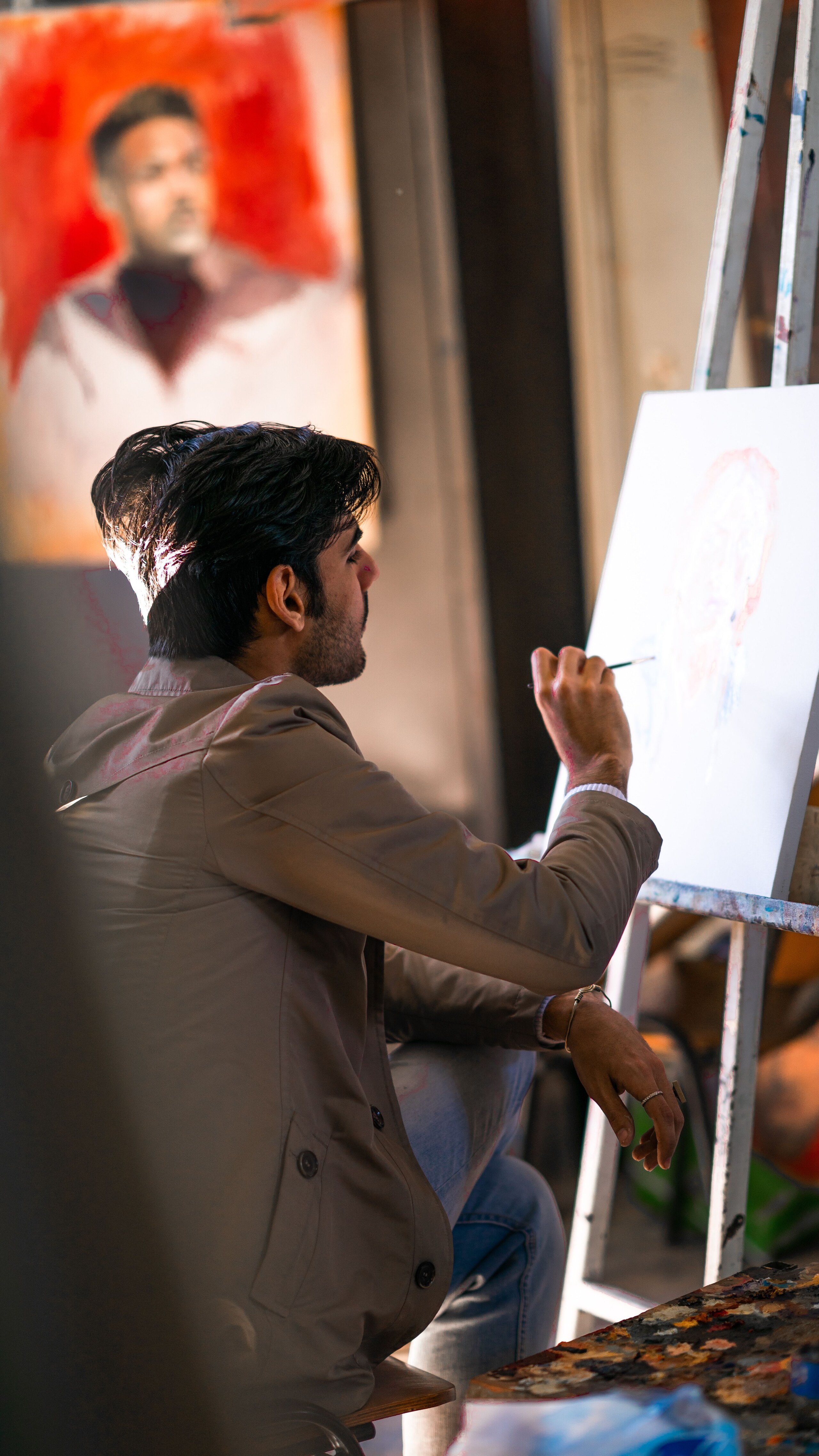
Relatives of Afghanistan’s late artists criticized the lack of support from responsible institutions and the neglect of their names after death on World Artist Day.
Families of Afghan Artists Express Concerns Over Institutional Neglect on World Artist Day
On October 25, in observance of World Artist Day, relatives of several deceased Afghan artists voiced their concerns regarding the lack of attention from responsible institutions to their living conditions and legacies. Rizwan Manwar, son of the late Badam Gul Manwar, a renowned singer, stated that his father dedicated over fifty years to the art and culture of Afghanistan, yet after his passing in 1993, none of the officials from the Ministry of Information and Culture paid their condolences to the family.
Baktash Engar, a relative of the late Master Ayub, another prominent artist, added that this artist faced significant health challenges towards the end of his life, and yet after his death in August 2021, no medical support or memorial ceremonies were held in his honor.
Cultural Support Claims vs. Reality
Despite past assertions from cultural officials about their support for artists, cultural activists and the families of artists insist that such support has been superficial and often limited to specific individuals. Ahmad Nasir Sarvast, head of the National Institute of Music of Afghanistan in Portugal, attributed the root cause of this issue to the lack of infrastructure and legal frameworks for protecting artists’ rights. He emphasized that the absence of supportive systems has left artists deprived of their rights both during their careers and posthumously.
Challenges in the Artistic Community and Their Impact
With the renewed control of the Taliban government and the severe restrictions imposed on artistic fields, particularly music and visual arts, many artists have been forced to flee the country. Those who remain are facing serious economic challenges and instability. Cultural experts believe that this situation inflicts significant harm on the cultural heritage and spiritual wealth of the community.
-

Humanitarian Aid in Afghanistan Faces New Challenges Amidst Bureaucratic Barriers
-
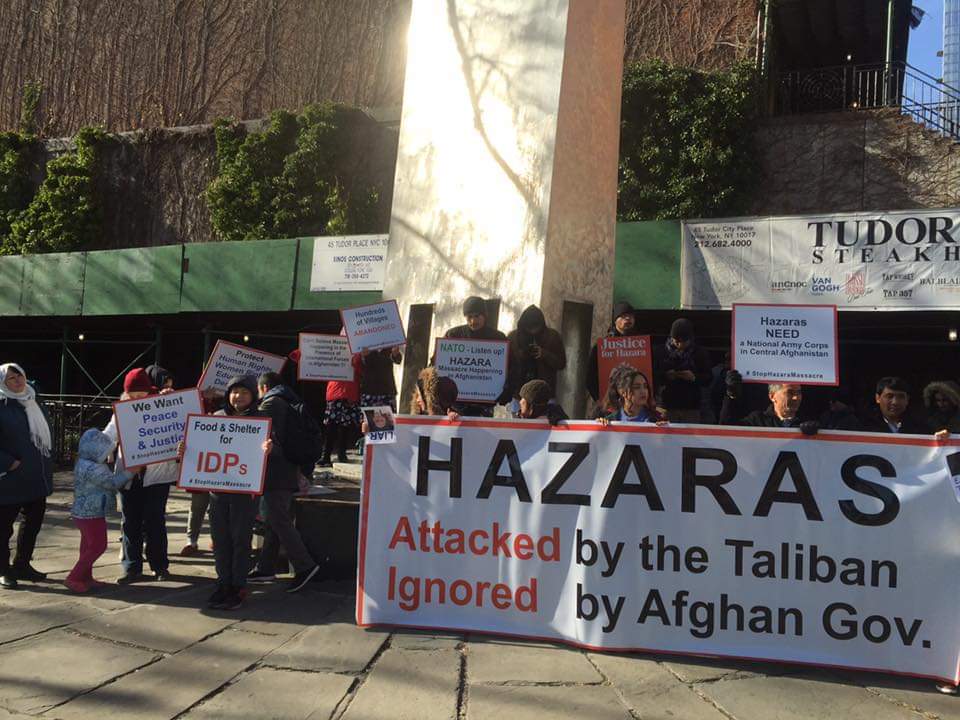
Global Campaign Pushes for Protection of Hazara Community Amid Ongoing Threats
-
Afghanistan-Pakistan Trade Declines 74% Amid Political Tensions
-
Afghan Girls Ignite Educational Initiative Amid Restrictions
-
Kunar’s Earthquake Survivors Struggle for Shelter as Winter Approaches
-
Healthcare Crisis in Afghanistan: Millions Face Medicine Shortages and Clinic Closures