World November 10, 2026
Short Link:Iran Appoints Sunni Kurdish Commander to Lead Naval Forces: A Strategic Shift in Military Leadership
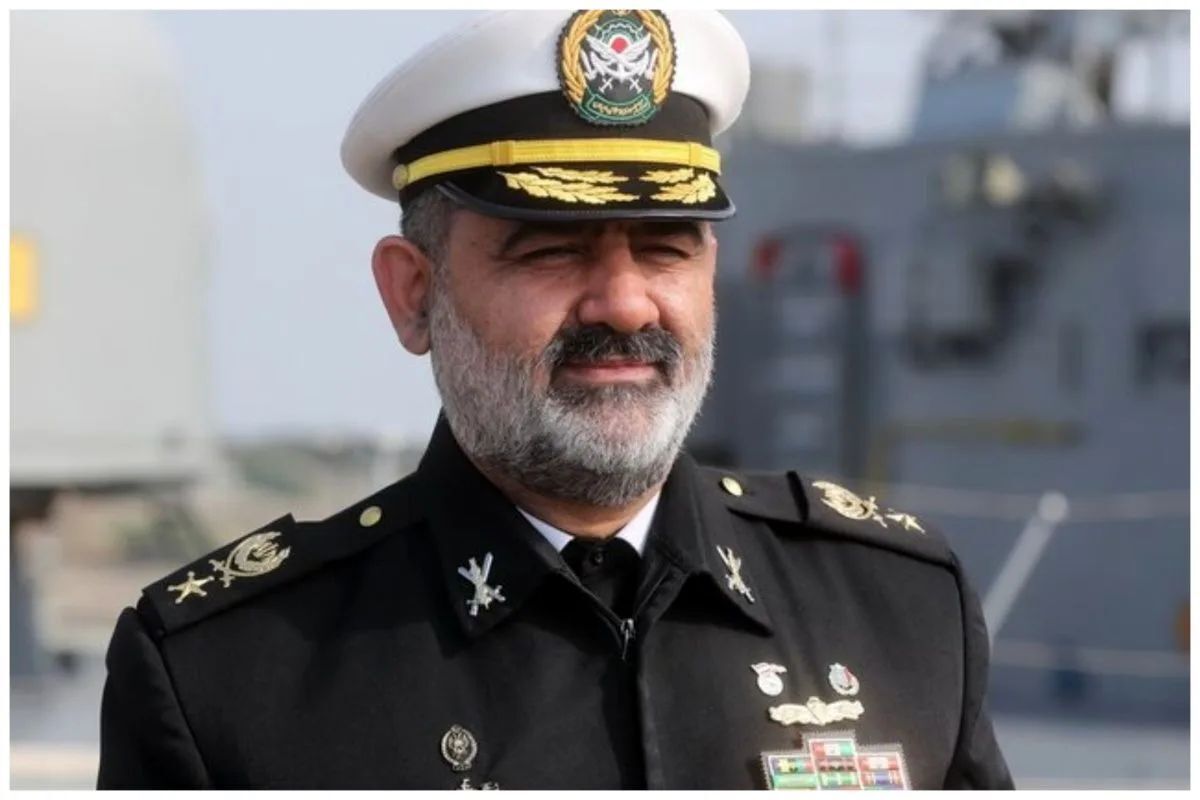
International observers and experts have analyzed the appointment of a Sunni Kurdish commander to lead Iran’s naval forces, examining its implications for the structure of the Iranian military leadership.
Insights from Foreign Analysts on Leadership Structure and Religious Diversity
Experts and analysts emphasize that the appointment of General Shahram Irani—a Kurdish Iranian and Sunni Muslim—as the commander of the Iranian Navy marks a significant evolution within the political and military framework of the country. As tensions escalate among Tehran, Washington, and Tel Aviv, the Iranian naval fleet remains at the front line of potential conflicts. This development is being closely monitored by various think tanks in the West and the broader region.
Foreign analysts suggest that this move reflects Tehran’s efforts to challenge the Western media narratives that portray a monopoly on power and the lack of representation of religious minorities in key national security roles.
The Public Diplomacy Dimensions and Messages to the Muslim World
International relations experts argue that the media spotlight on the religious and ethnic identity of this senior commander is a strategic maneuver in psychological warfare and public diplomacy. From the perspective of external observers, the Iranian government aims to project a message of meritocracy, national cohesion, and Islamic unity by highlighting this aspect on the global stage, particularly among Muslim countries.
This promotional strategy allows Tehran to undermine narratives asserting internal ethnic and religious divisions while simultaneously enhancing its spiritual and diplomatic influence within the public consciousness of the Muslim world.


