The Struggles of Unemployed Women in Afghanistan: A Growing Economic Crisis
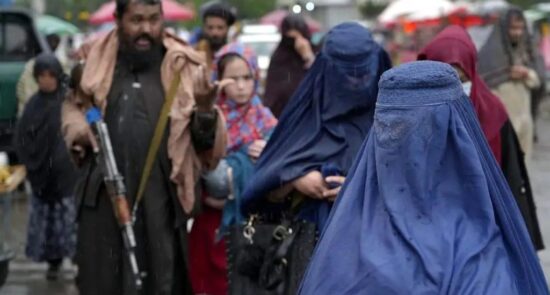
Unemployed women in Afghanistan are unable to meet their basic needs, and economic experts are warning about the consequences of this situation.
Unemployed Women in Afghanistan Face a Crisis in Meeting Basic Needs
More than five years after restrictions were imposed on women’s employment, thousands of women who were once the primary breadwinners for their families are now struggling significantly to provide for their daily necessities and those of their children. Experts believe this economic crisis has severely impacted family livelihoods and drastically reduced the purchasing power of society.
Sejiya, a former employee of a government office in Kabul, shares the profound changes in her life following five years of unemployment. As the sole caregiver for three children under the age of twelve, she points out that she can no longer afford to buy even an 8,000 afghani washing machine and is forced to wash her children’s clothes by hand.
This difficult situation is not confined to Kabul. Binazir, a former worker at a non-governmental organization in Balkh, admits that after losing her monthly income, she no longer has the means to buy new clothes or hygiene products and has resorted to washing her hair with just water.
Economic Experts and Proposed Solutions
Nusrat Wafa, an economic expert, considers the continued deprivation of women a severe threat to Afghanistan’s fragile economy. She recommends that supporting women’s small businesses and providing training in professional and digital skills could alleviate the economic pressure on impoverished families.
International organizations have also confirmed the depth of this crisis. According to UNICEF, the deprivation of girls’ education and women’s work causes an annual loss of at least 84 million dollars to the Afghan economy. Moreover, the International Labour Organization (ILO) reports that women’s participation in the workforce is expected to drop from 16.5 percent in 2020 to 5.1 percent by 2026. While Taliban officials claim that women’s rights are preserved within the framework of Islamic Sharia, the reality points to deeper issues.


