Social updated: September 10, 2026
Short Link:UNICEF Sounds Alarm on Malnutrition Crisis Impacting 3.7 Million Afghan Children
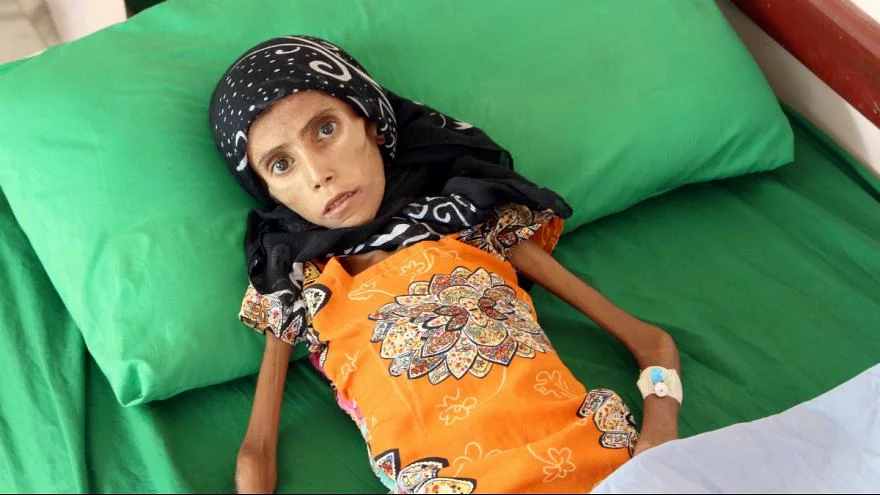
UNICEF has raised alarm over the worsening state of malnutrition in Afghanistan, stating that 3.7 million children in the country are affected by acute malnutrition and extreme thinness.
The Escalating Malnutrition Crisis in Afghanistan
Recently, the United Nations Children’s Fund (UNICEF) reported a dire situation regarding malnutrition among children in Afghanistan, highlighting that 3.7 million children are grappling with severe thinness and acute nutritional deficiency.
Tajuddin Awivali, UNICEF’s representative in Afghanistan, spoke at a United Nations meeting in Geneva, noting that the surge in malnutrition cases has placed immense pressure on the country’s healthcare system. In certain areas, the ratio of available hospital beds is alarming, with three to four malnourished children currently being admitted per bed.
Increase in Pediatric Admissions
A small but significant increase has been noted in hospital admissions, with over half a million children hospitalized this year due to moderate and severe thinness. The number of children suffering from severe acute malnutrition along with medical complications has seen an alarming one-third increase from last year, rising from 6,000 to 8,000 cases as of July 2023.
Approximately 40 percent of children hospitalized due to extreme thinness and its complications are infants under six months old, while children under two years of age make up 83 percent of severe acute malnutrition cases.
Causes of the Nutritional Crisis
UNICEF emphasizes that family economic struggles have led to diminished access to nutritious food and reduced dietary diversity for children. Assessments by the organization reveal that children living in households experiencing severe food insecurity are at a significantly higher risk of extreme thinness.
Awivali also pointed out that malnutrition is not solely a consequence of food scarcity; illnesses such as severe diarrhea and respiratory infections can rapidly deteriorate the nutritional status of children.
Consequences of Resource Shortages
UNICEF has warned that dwindling budgets and the closure of healthcare facilities are exacerbating the situation. According to the organization’s reports, over 100 treatment centers for children facing severe malnutrition have been shut down this year due to resource shortages, and the nutrition sector is grappling with a staggering 57 percent budget deficit.
Additional factors, such as recurrent droughts, heavy rainfall, and floods, along with the return of millions of displaced individuals to Afghanistan, have intensified pressure on families and healthcare services. UNICEF is urging the international community to pay heed to the nutritional crisis and provide sustainable funding to save the lives of children in Afghanistan.
-

Afghan Families Struggle to Afford Basic Food Items Amid Economic Crisis
-
Critical Malnutrition Crisis Affects Over 500,000 Afghan Children Amid Rising Poverty
-
Returnees from Pakistan Face Dire Educational and Economic Challenges for Daughters
-
Healthcare Crisis in Afghanistan: Millions Face Medicine Shortages and Clinic Closures
-
UNICEF Reports Over 480,000 Afghan Children Treated for Severe Malnutrition Amid Ongoing Crisis
-
Afghanistan Launches National Polio Vaccination Campaign to Protect Millions of Children