Social updated: September 1, 2026
Short Link:UNAMA Calls for Investment in Alternative Livelihoods Amidst Afghanistan’s Economic Challenges
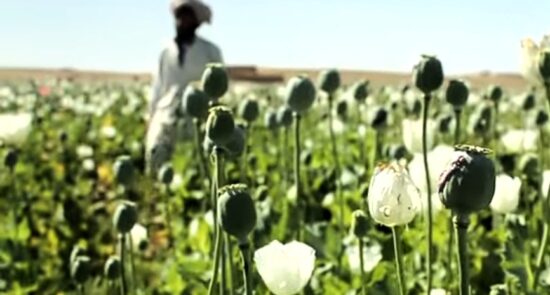
The acting head of the United Nations Assistance Mission in Afghanistan (UNAMA) emphasized the importance of investing in alternative livelihoods during a recent visit to Badakhshan, where she also discussed challenges faced by women and farmers.
UNAMA’s Focus on Alternative Livelihoods
During her recent trip to Badakhshan, Georgette Gagnon, acting head of UNAMA, stressed the critical need for increased investment in sustainable alternative livelihood opportunities. While in the province, Gagnon held discussions with Taliban officials, local elders, and civil society representatives to address the living conditions of the people, particularly the hardships faced by women.
In Faizabad, Gagnon met with several women entrepreneurs and visited a drug rehabilitation center supported by the United Nations. She highlighted the necessity for more investment in regions where communities have faced economic hardship following the ban on opium poppy cultivation.
Criticism of Lack of International Support
Earlier, Abdul Salam Hanafi, the deputy administrative head of the Taliban’s Prime Minister’s office, criticized the international community, asserting that no significant aid has been directed towards developing alternative crops and supporting Afghan farmers.
In this context, Scott Smith, head of the political section of UNAMA in Kabul, emphasized the importance of international cooperation in combating drug-related issues, noting that such collaborations are vital for Afghanistan’s future.
Challenges Facing Afghan Farmers After Poppy Crop Ban
According to a United Nations report, farmers in northern Afghanistan are facing severe challenges in securing their livelihoods following the bans on poppy cultivation. The organization has also warned that the economic pressures on rural communities have intensified the urgent need for immediate support and the establishment of sustainable livelihoods.
-

Taliban Intensifies Pressure on Afghanistan’s Shia Community: Educational Institutions Targeted
-
Funding Crisis Threatens Women’s Organizations in Afghanistan
-
Clashes Erupt in Kamdish as Taliban and Afghanistan Freedom Front Engage in Heavy Fighting
-
Herat’s Trade Boom: Exchanges with Kazakhstan Reach $581 Million
-
Tensions Flare Again Along the Durand Line Amid Conflicting Claims
-
Human Rights Advocates Urge Action Against Taliban’s Suppression of Religious Minorities in Afghanistan