Social September 17, 2026
Short Link:Escalating Discrimination Against Women in Afghanistan: Calls for Urgent Action
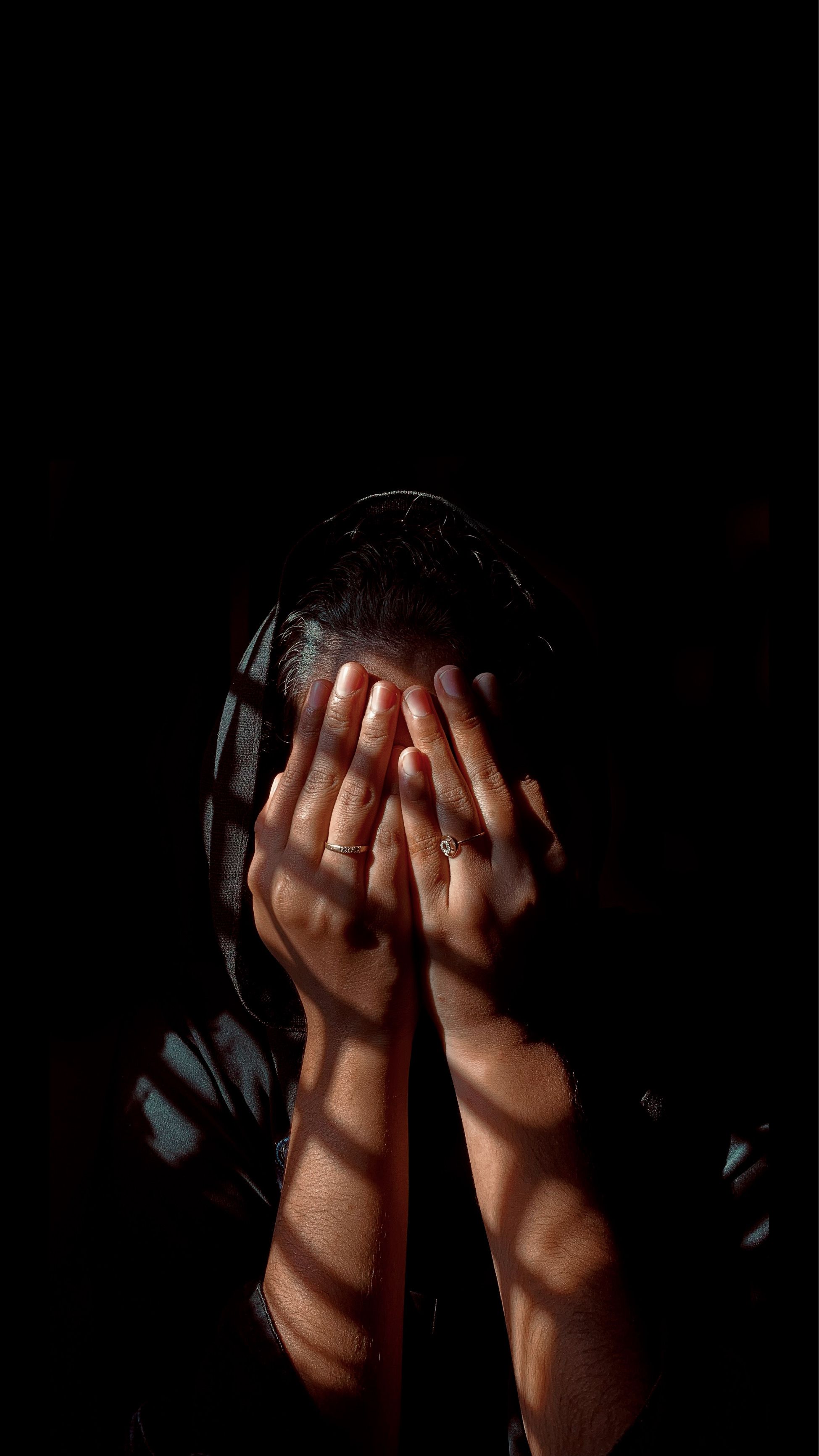
The Afghan Mission to the United Nations has reported that the Taliban’s restrictions on women and girls have escalated into a systemic and entrenched form of discrimination, calling for immediate action to improve human rights in the country.
Institutionalized Discrimination Against Women
The Permanent Mission of Afghanistan to the United Nations in Geneva has indicated that the Taliban’s restrictions, particularly affecting women and girls, have developed into a systematic and institutionalized system of discrimination. Nasir Ahmad Andesha, the head of this mission, emphasized that this system broadly affects its victims, including children and ethnic and religious minorities.
Rising Violence and Restrictions
In a video released on September 15, Mr. Andesha described the situation of women under Taliban rule as critical, noting that they face increasing violence and significant legal obstacles. He stated, “There is no clear legislative process under the Taliban, and everything is carried out based solely on individual whims. This has hindered women’s access to legal support when they are victims of violence.”
International Campaigns for Accountability
The human rights organization, Sanad, has launched a campaign titled “Accountability, Not Normalization,” urging countries like Germany, Canada, Australia, and the Netherlands to fulfill their commitments to hold the Taliban accountable for violations of women’s rights. Heather Barr, the Deputy Director of Human Rights Watch’s Women’s Rights Division, regarded this issue as vital for women’s rights worldwide, stressing that the time for action has come.
International Reactions to Violations of Women’s Rights
In October 2023, Germany, Canada, Australia, and the Netherlands declared their intention to take action against the Taliban through the International Court of Justice due to the violation of women’s rights in Afghanistan. They labeled the Taliban as responsible for these violations in a draft declaration and warned that they would initiate legal proceedings if the situation continues.
Human Rights Situation in Afghanistan
Women’s rights activists have underscored that the Taliban do not value women’s rights and dignity and have not retreated from their discriminatory policies. Najiba Sanjar, a women’s rights activist, has stated that political and economic pressures must be employed to make these campaigns effective. Volker Turk, the UN High Commissioner for Human Rights, has also called for the repeal of the Taliban’s anti-women decrees and policies.
-

Taliban Intensifies Pressure on Afghanistan’s Shia Community: Educational Institutions Targeted
-
Funding Crisis Threatens Women’s Organizations in Afghanistan
-
Clashes Erupt in Kamdish as Taliban and Afghanistan Freedom Front Engage in Heavy Fighting
-
Herat’s Trade Boom: Exchanges with Kazakhstan Reach $581 Million
-
Tensions Flare Again Along the Durand Line Amid Conflicting Claims
-
Human Rights Advocates Urge Action Against Taliban’s Suppression of Religious Minorities in Afghanistan