Social updated: November 3, 2026
Short Link:Concerns Rise as 65 Hospitals in Kabul Fail to Meet Medical Standards
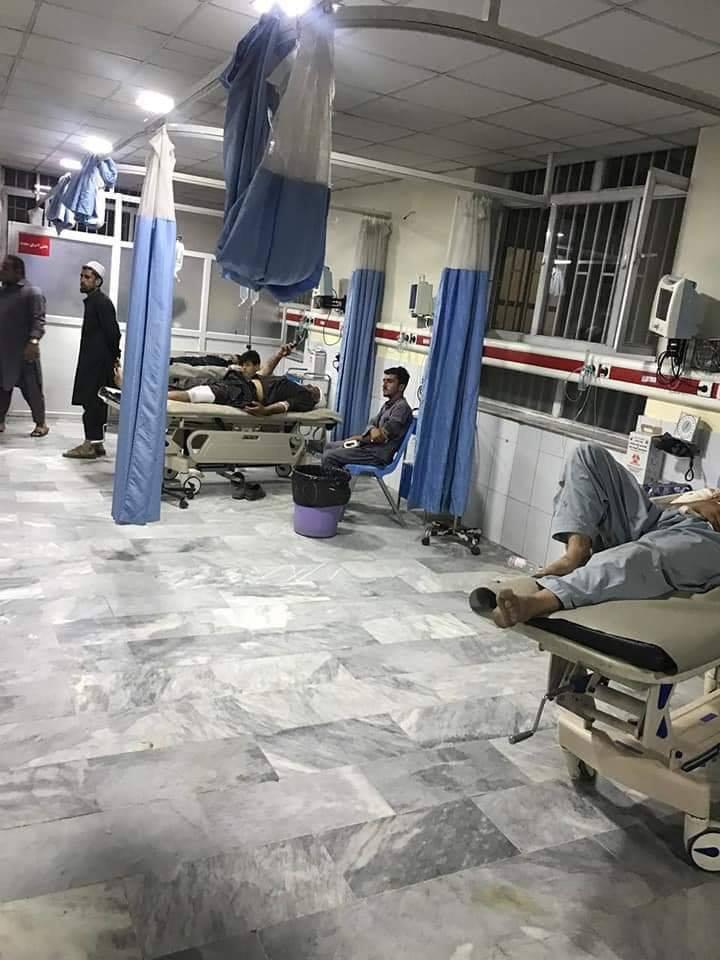
A recent report from the Ministry of Public Health has revealed that 65 hospitals in Kabul are failing to provide adequate medical services. This situation raises concerns regarding the quality of healthcare services.
Ministry of Public Health: 65 Hospitals in Kabul Fail to Meet Healthcare Standards
According to a report released by the Taliban’s Ministry of Public Health, among the 115 private hospitals evaluated in Kabul, only two centers managed to achieve the highest level of accreditation, while 65 other hospitals were found to be outside the grading framework.
During a press conference held on October 20, Saifullah Maaviya, the head of accreditation for health centers at the Ministry, stated that the operations of 115 hospitals, out of a total of 135 officially licensed private hospitals in Kabul, have been assessed by a specialized team. The evaluation categorized 2 hospitals as ‘Category A’, 9 centers as ‘Category B’, and 39 hospitals as ‘Category C’. The quality qualifications of the remaining 65 centers were left unspecified.
At the same time, ministry officials have not provided clear details about the evaluation methodologies and standards used, which has led to ambiguity regarding the transparency of the process. Noorjilal Jalali, the acting Minister of Public Health, has claimed that this grading initiative could enhance the quality of medical services and promote healthy competition.
Challenges Facing Afghanistan’s Health System
Despite the Ministry’s efforts to improve the healthcare system, significant challenges such as budget constraints and access to treatment continue to persist. Among these, the lack of female healthcare professionals is particularly acute. The World Health Organization and UNICEF have repeatedly warned about the adverse effects of budget cuts on the delivery of health services.
The current closure of many treatment centers and restrictions on access to medical services for women and children are pressing concerns. Health experts believe that hospital grading will only be effective if evaluation criteria are clearly defined and results are made public. Additionally, continuous monitoring of patient rights and ensuring the safety of patients is essential.
-

Taliban Reinforces Controversial Virtue Law Amidst Global Scrutiny
-
Taliban Leader Hibatullah Akhundzada Named Among Key Threats to Media Freedom Worldwide
-
Taliban Expresses Concern Over U.S. Plans to Transfer Afghan Refugees to Pakistan
-
Pakistan’s Military Issues Stern Warning to Taliban Amid Rising Tensions
-
Concerns Grow as Taliban Detains Women Over Dress Code Violations in Afghanistan
-

Escalating Border Conflicts: Taliban and Pakistan Exchange Accusations Amidst Violence in Angoor Ada