World July 28, 2026
Short Link:Lavrov Wraps Up China Visit, Advocates for Diplomatic Solutions in Iran-US Negotiations
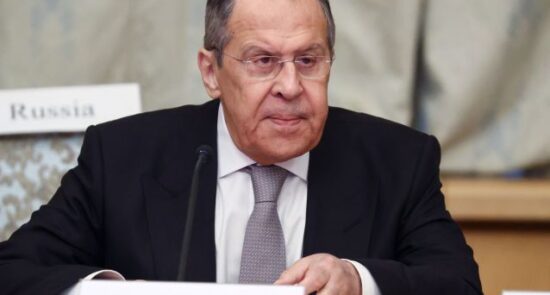
Sergey Lavrov, the Russian Foreign Minister, concluded his trip to China by emphasizing the importance of continued negotiations between Iran and the United States. He characterized Iran’s nuclear activities as peaceful, citing reports from the International Atomic Energy Agency (IAEA), and stated that Russia is prepared to offset the energy shortage stemming from the Middle East crisis for China and its other allies…
Strong Emphasis on the Peaceful Nature of Iran’s Nuclear Program
Upon finishing his diplomatic mission in Beijing, Lavrov highlighted the complete coordination between Moscow and Beijing regarding Iran’s nuclear dossier and the global energy crisis. In a press conference, he revealed extensive consultations with Chinese officials concerning the Middle East and deemed diplomacy as the only viable solution to the current stalemate.
Russia as an Energy Assurance for China
A focal point of Lavrov’s statements was Russia’s readiness to manage the energy crisis resulting from the ongoing war in the Middle East. Given the threats present in the Strait of Hormuz and fluctuations in oil markets, Lavrov assured that Russia has the capacity to compensate for the energy shortages of China and its other partners. This message reflects the strengthening of strategic ties between Russia and China in countering the economic repercussions of regional conflicts.
Eastern Alliance Facing International Pressures
Lavrov’s visit to China further demonstrated that Russia and China are striving to create a united front regarding issues in West Asia. His emphasis on amicable resolutions to disputes and support for Iran’s position in negotiations sends a clear message to Washington that Moscow and Beijing will not permit unilateral pressures to alter the balance of power in the nuclear dossier. These discussions concluded amid escalating tensions in the Middle East, reaching a critical juncture due to ongoing conflicts in 2026.
-

Taliban’s Border Forces Bolstered by Uyghur Fighters: A New Threat to Central Asia and China
-
Russia’s Recognition of Taliban Sparks Tensions with U.S. and Redefines Afghan Landscape
-
Iran Pushes for Diplomatic Peace Between Taliban and Pakistan
-
Iran, Taliban, and Russia Unite for Regional Stability Talks
-
Taliban Emphasizes Chabahar Port as Key Trade Route for Afghanistan
-
Taliban Intelligence Deputy Warns of Firm Defense Against War Threats


