UN Calls for Preparedness and Investment in Disaster Prevention in Afghanistan
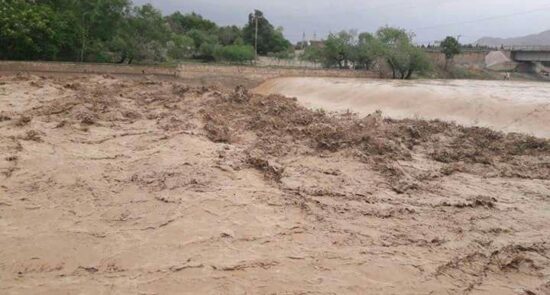
The United Nations has emphasized the importance of Afghanistan’s preparedness for natural disasters and called for investment in preventive systems during a meeting in Kabul. Recent floods have caused substantial damage.
UN: Afghanistan Must Be Prepared for Natural Disasters
The United Nations warns that Afghanistan must prepare for natural disasters in advance rather than relying on post-event responses. In this context, a meeting was held in Kabul aimed at strengthening coordination and preparedness in managing natural events.
Attendees included representatives from UN-affiliated organizations, international aid agencies, embassies, and officials of the Taliban government. Tajuddin Owyali, a UNICEF representative in Afghanistan, highlighted the significant challenges facing the country, stating, “Afghanistan is confronted with natural disasters, unexploded ordnance, ongoing droughts, and food insecurity.”
Natural Disaster Impact and the Need for Preventive Measures
Owyali warned that reliance on disaster response is no longer sufficient. He added, “The recent earthquakes and floods illustrate the need to invest before disasters strike, focusing on early warning systems and preventive actions.” He noted that leftover mines from conflicts present a significant obstacle to rescue and aid efforts.
Mian Park, head of the International Organization for Migration’s Afghanistan section, also spoke at the meeting, pointing out that despite Afghanistan’s minimal contribution to climate change, the country is disproportionately affected by it. He stressed, “Disaster management is not an option; it is a fundamental necessity.”
International Aid and the Need for Transparency in Distribution
Mullah Nooruddin Turabi, head of the Taliban government’s disaster management department, called for the depoliticization of international aid and a reduction in administrative costs so that more people can benefit from these resources. He stated, “Aid must be distributed transparently and swiftly.”
This meeting takes place as Afghanistan has faced numerous natural disasters in recent months, particularly the recent floods, which have inflicted significant damage. Following these floods, at least 24 individuals lost their lives, over 80 were injured, and the financial losses are estimated in the tens of millions of dollars.
-

Taliban Intensifies Pressure on Afghanistan’s Shia Community: Educational Institutions Targeted
-
UN Calls for Urgent Action as Afghanistan Faces Deepening Crisis
-
Funding Crisis Threatens Women’s Organizations in Afghanistan
-
Critical Malnutrition Crisis Affects Over 500,000 Afghan Children Amid Rising Poverty
-
Clashes Erupt in Kamdish as Taliban and Afghanistan Freedom Front Engage in Heavy Fighting
-
Herat’s Trade Boom: Exchanges with Kazakhstan Reach $581 Million