International Community Urges Change in Taliban’s Policies Amid Humanitarian Crisis in Afghanistan
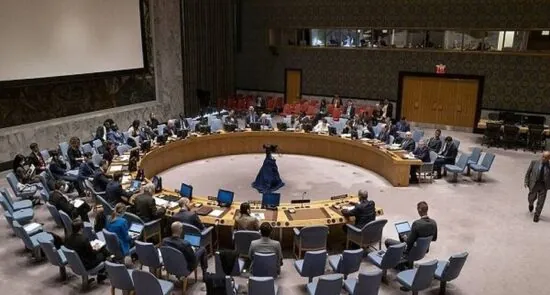
The United Nations Security Council expressed serious concerns about the human rights situation and humanitarian crisis in Afghanistan during a recent meeting, urging a change in the Taliban’s policies.
UNAMA Report: Severe Poverty and Daily Interference
Georgette Gagnon, the head of the United Nations Assistance Mission in Afghanistan (UNAMA), described the country’s situation as follows:
- Restrictions on Women: Women and girls continue to be denied education and access to many areas of public life.
- Severe Poverty: Despite an apparently stable security situation, the people are facing extreme poverty.
- Narrowing of Civic Space: Restrictions on media freedom and the harassment of journalists have limited public participation.
- Widespread Interference: The Taliban’s enforcement of their morality laws has led to significant intrusion into the daily lives of both men and women.
Ms. Gagnon emphasized that integration with the Taliban can only occur after they fulfill their international commitments. She warned that the Taliban’s reluctance to engage multilaterally poses the risk of severing aid partnerships and further isolating Afghanistan.
US, Pakistan, and Russia at the Security Council
The representative from the United States stated that the Taliban are responsible for the suffering of the Afghan people due to their policies and called for caution in any negotiations with them.
The Pakistani representative urged the Taliban to create an environment conducive to honest dialogue and to move away from a state of denial that serves no one.
The Russian representative noted that the international community must consider the needs of the Afghan people without double standards, advocating for a thorough and trust-based dialogue with the Taliban on all issues.
Additionally, the Chinese representative highlighted the active presence of terrorist groups, including ETIM and TTP, which continue to launch attacks against neighboring countries.
Taliban: Human Rights Guaranteed Within Islamic Laws
Zabihullah Mujahid, a spokesperson for the Taliban government, responded prior to the meeting by stating that the rights of all people in Afghanistan are guaranteed within the framework of Islamic laws. He added that Afghans are not obligated to accept the human rights definitions of other societies that have different interpretations.
Resolving the Crisis from the Perspective of Afghanistan’s Acting Representative
Nasir Ahmad Faiq, Afghanistan’s acting Permanent Representative to the United Nations, asserted at the meeting that Afghanistan cannot achieve stability through isolation, coercive pressure, or imposition of governance. He stated that humanitarian assistance alone cannot sustain the country.
He emphasized that the root cause of the crisis is political, and the potential solution lies in a comprehensive and legitimate government that ensures political stability and national unity in Afghanistan. He called on the international community to leverage its influence on the Taliban’s decisions regarding political dialogue and to negotiate with a wide range of Afghan democratic forces to reach an agreement that leads to an inclusive and legitimate government.
Representatives from other countries collectively underscored the fragile nature of the situation, highlighted the human rights crisis, poverty, and restrictions on women’s participation, stating that only through principled pressure and engagement from the international community can sustainable solutions be found.
-

Surge in Afghan Deportations from Pakistan Sparks Humanitarian Crisis
-
UN Security Council Faces Division Over Afghanistan Mission Extension
-
Taliban Reports 761 Civilian Deaths Amid Pakistani Military Attacks
-
Belchab Faces Human Rights Crisis Under Taliban Rule
-
Two Years After U.S. Withdrawal, Afghanistan Faces Profound Crisis
-
UNAMA Calls for Investment in Alternative Livelihoods Amidst Afghanistan’s Economic Challenges