Iranian Diplomat Leads High-Level Delegation to Kabul for Consular Talks
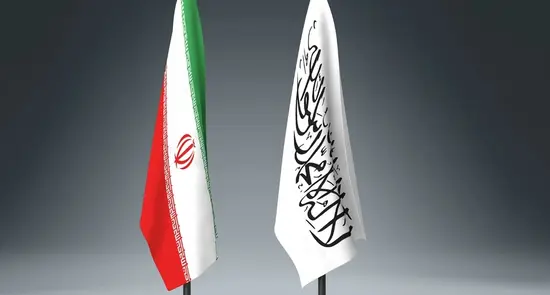
Vahid Jalalzadeh, the Deputy for Consular Affairs, Parliament, and Iranians of the Iranian Ministry of Foreign Affairs, has arrived in Kabul at the head of a high-ranking delegation to hold the fifth session of the joint consular commission between the two countries and to meet with government officials.
Official Visit of an Iranian Senior Diplomat to Kabul
Diplomatic relations concerning border, legal, and consular matters between Kabul and Tehran have entered a new phase of direct dialogue with the arrival of a senior official from the Islamic Republic of Iran in the Afghan capital. On Tuesday, July 13, Jalalzadeh, leading an official and high-level diplomatic team, arrived at Kabul International Airport, where he was welcomed by relevant officials.
Fifth Session of the Joint Consular Commission
The Embassy of the Islamic Republic of Iran in Kabul issued an official statement indicating that the primary goal of this official visit is to facilitate and advance the fifth session of the joint consular commission between Iran and Afghanistan. It is expected that this round of bilateral talks will cover a broad range of issues, including the legal status and rights of Afghan migrants and refugees in Iran, strengthening border cooperation, combating human trafficking and drug smuggling, as well as streamlining transit procedures for transport drivers. In addition to participating in this commission, Jalalzadeh will also meet with several senior officials from the current government to discuss mutual security and economic concerns.
Continuing Diplomatic Efforts and Challenges for Applicants
This diplomatic event takes place at a time when, following the establishment of the current government in Afghanistan, the Islamic Republic of Iran has remained one of the few countries that keep their active embassy in Kabul and have maintained four other consular representations in provinces (Herat, Mazar-i-Sharif, Jalalabad, and Kandahar), continuing its interactive efforts. However, in recent years, the provision of consular services, particularly the process for issuing tourist and business visas for residents of Afghanistan, has faced increased restrictions, stringent conditions, and specific quotas. This is an issue that the Afghan delegation is expected to address in this session, seeking to create better facilities to alleviate these challenges and streamline bureaucratic processes for Afghan applicants.
-

UN Calls for Urgent Action as Afghanistan Faces Deepening Crisis
-
Afghanistan’s Road Crisis: Over 92% Unpaved, Threatening Access to Healthcare
-
Returnees from Pakistan Face Dire Educational and Economic Challenges for Daughters
-
Public Outcry Over Controversial Traffic Police Signage in Afghanistan
-
Successful Military Operation in Nuristan Halts ISIS Infiltration
-
Tensions Flare Again Along the Durand Line Amid Conflicting Claims