Stalled Security Talks Between Taliban and Pakistan Amid Rising Tensions Over India’s Role

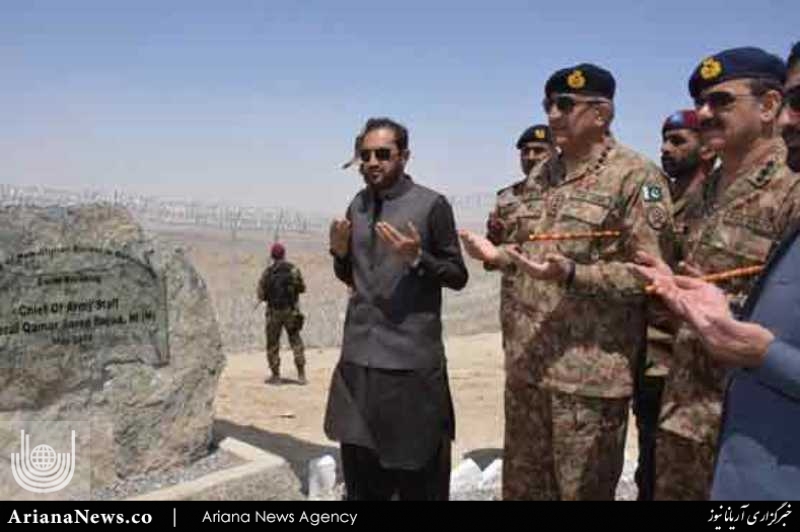
Informed sources from recent negotiations in Istanbul reveal that security talks between the Taliban delegation and Pakistani intelligence officials have reached a standstill due to deep-rooted disagreements concerning India’s role and the activities of the Tehrik-i-Taliban Pakistan (TTP). Pakistan has presented documents alleging India’s support for opposition groups within Afghanistan, while Kabul officials have dismissed these claims, rejecting Islamabad’s requests to limit Delhi’s influence and expel TTP commanders from Afghan soil.
Reports of Documented Accusations and Mutual Blame
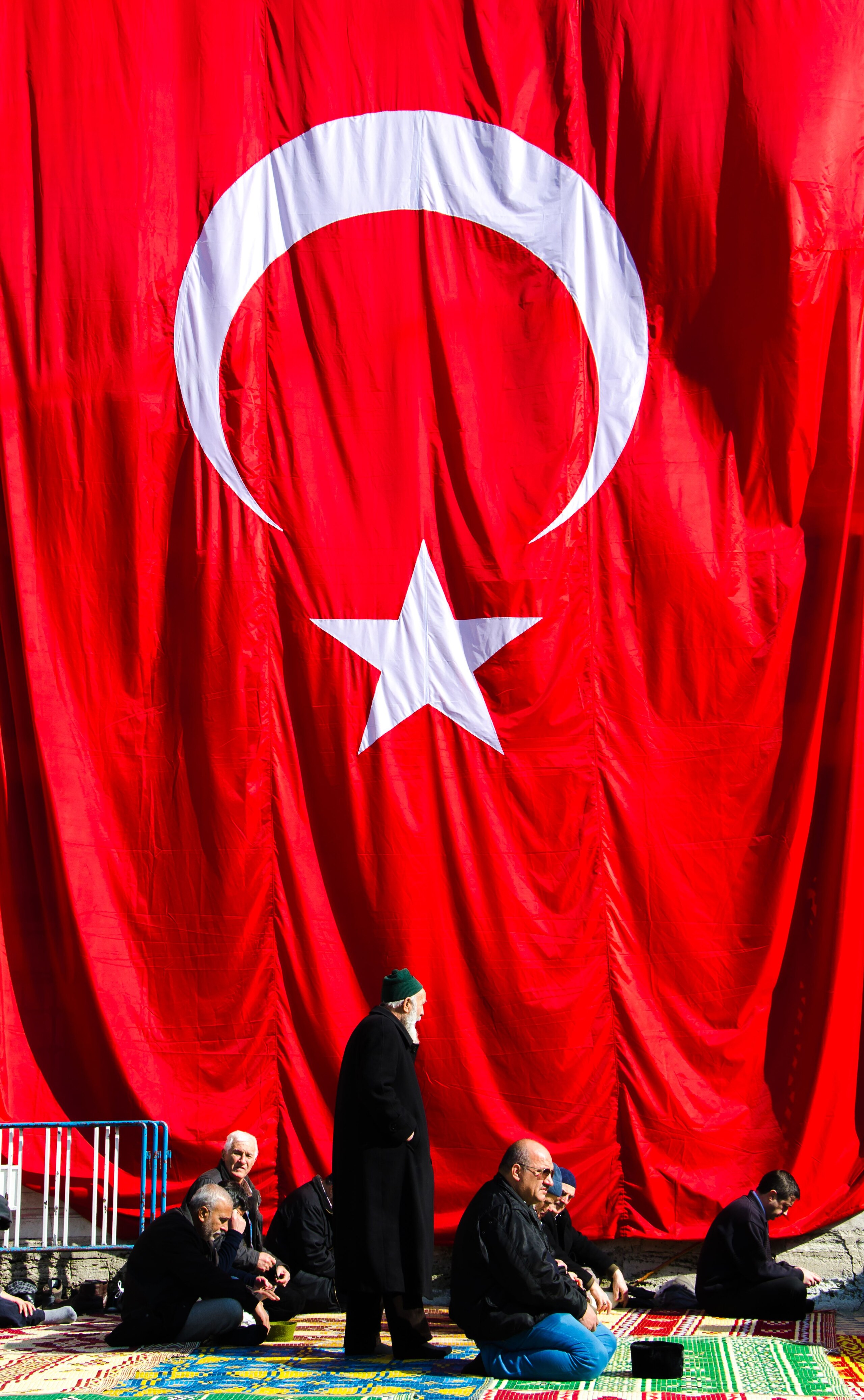
Sources indicate that the latest round of sensitive negotiations between the Islamic Emirate representatives and senior Pakistani security and intelligence officials, held in Istanbul, Turkey, ended without any tangible outcomes. The atmosphere during these talks was filled with distrust, with neither side accepting the explanations provided regarding the accusations made against each other.
Claims of Increased Indian Intelligence Presence in Kabul
In these meetings, Pakistani officials presented a list of their security concerns. They claimed that the presence of Indian intelligence personnel in Kabul has increased and that there have been frequent meetings between Indian security officials and representatives of the Islamic Emirate.
According to the Pakistani perspective, these contacts are aimed at planning subversive acts against Pakistan. Additionally, they cited the intensification of Indian support—intelligence, technical, and financial—to armed groups opposing Islamabad as a key issue fueling tensions between the neighboring countries. Islamabad has demanded immediate and decisive action from Kabul to counter this influence and what they termed as India’s negative actions.
Taliban’s Rejection of Pakistan’s Demands
Despite the pressure from the Pakistani delegation in recent peace talks, whether in Doha or Turkey, Islamic Emirate officials have maintained a firm stance. Reports suggest that one of Pakistan’s most pressing demands has been to curb India’s influence in Afghanistan and to expel senior TTP commanders from the country.
However, sources confirm that Kabul officials have not responded positively to any of these requests and have rejected Islamabad’s security dictations. This lack of agreement highlights the deep strategic rift between Kabul and Islamabad and Pakistan’s failure to shift the regional power balance to its advantage in Afghanistan.
-

Returnees from Pakistan Face Dire Educational and Economic Challenges for Daughters
-
Tensions Flare Again Along the Durand Line Amid Conflicting Claims
-
Turkey’s Intelligence Chief Engages in Security Talks in Afghanistan and Pakistan
-
Taliban Blames Pakistan for Airstrikes Amid Domestic Turmoil
-
Russia Urges Taliban and Pakistan to Seek Dialogue Amid Rising Tensions
-
Taliban Vows Retaliation Against Pakistani Airstrikes After Civilian Casualties