Protests Erupt in Herat Over Women’s Rights Amid Taliban Crackdown

Unprecedented protests in Herat following the arrest of dozens of women have drawn global attention to the human rights situation in Afghanistan. According to the United Nations, these protests, which faced violent crackdowns, resulted in the deaths of two individuals and left at least 20 others injured…
Developments in Women’s Protests in Herat: A Response to Taliban Restrictions
Wide-scale protests erupted in the city of Herat after the arrest of several women accused of violating mandatory dress codes. The United Nations reported that these gatherings unexpectedly faced violent confrontations with Taliban security forces, leading to casualties among the demonstrators.
The Background of Arrests and the Start of Protests
The New York Times, citing the United Nations, stated that these events began on June 6 and 7 after at least 30 women were arrested, facing allegations related to dress code noncompliance and perfume usage.
Protesters’ Reactions and Slogans
During these gatherings, two people, including a teenage boy, lost their lives, and at least 20 others sustained injuries. Images shared on social media show protesters marching towards a government building while holding placards and chanting slogans such as “Women, Work, and Freedom.”
Denying Reports and Responses from the Taliban
The Taliban have strongly dismissed reports about the arrests of women and the injuries among protesters. A spokesperson for the Herat police described these claims as false, with Taliban authorities labeling the widespread detention of women as a rumor. However, the United Nations and eyewitnesses have provided a contrasting account of the events.
Security Measures Before New Protests
The New York Times also reported that Taliban security forces set up check points in Herat and Kabul in an attempt to prevent new protests from forming. Additionally, some medical facilities have refused to treat injured protesters.
UN Concerns about Women’s Situation
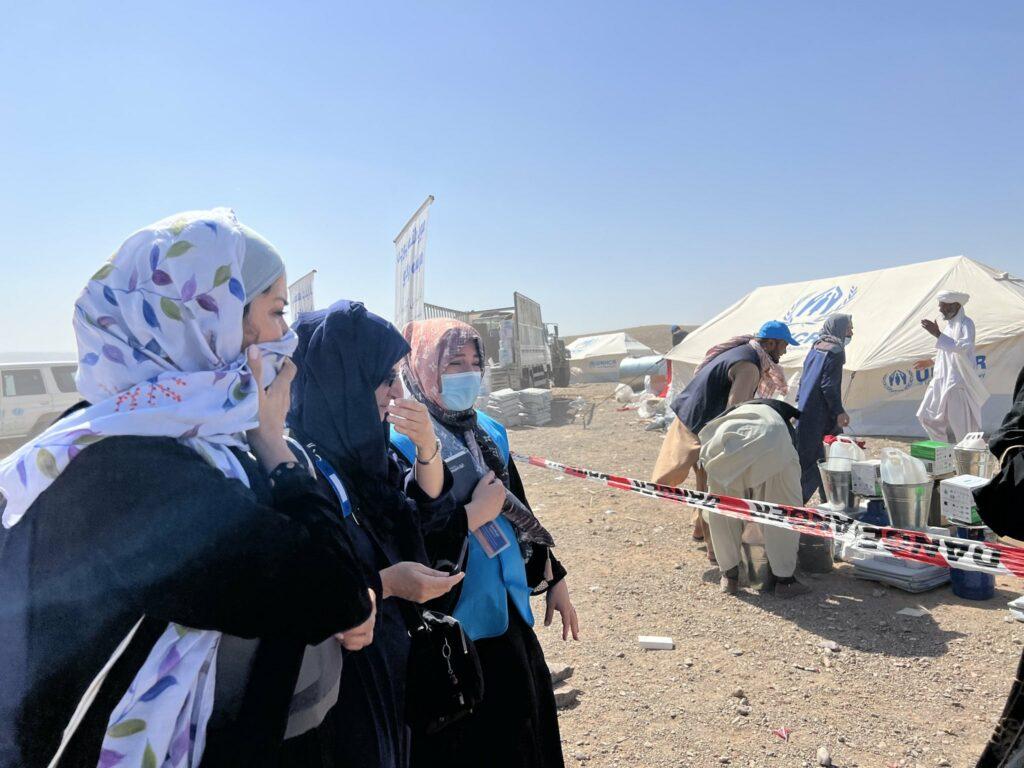
The United Nations has expressed deep concern regarding the arrests of women, warning that such actions could lead to social ostracization, violence, and further restrictions even after their release. The organization emphasized that Afghan women and girls have faced severe limitations in education, employment, and public participation since the Taliban regained power in 2021.
-

Taliban Intensifies Pressure on Afghanistan’s Shia Community: Educational Institutions Targeted
-
Funding Crisis Threatens Women’s Organizations in Afghanistan
-
Clashes Erupt in Kamdish as Taliban and Afghanistan Freedom Front Engage in Heavy Fighting
-
Herat’s Trade Boom: Exchanges with Kazakhstan Reach $581 Million
-
Tensions Flare Again Along the Durand Line Amid Conflicting Claims
-
UN Official Urges Essential Role of Women in Afghan Humanitarian Efforts