Social updated: September 1, 2026
Short Link:Taliban’s Protest Ban Raises Alarm Among Afghans and International Advocates
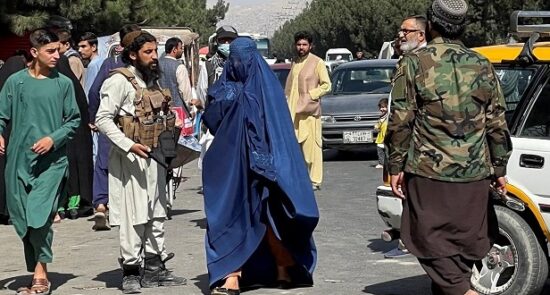
The recent law enacted by the Taliban to ban protests has raised concerns among Afghan men and women regarding the suppression of free speech and the prospect of further restrictions.
The Taliban Bans Protests in Afghanistan
Afghan women protesting against the new legislation by the Taliban have voiced their concerns that this move significantly narrows the avenues available for expressing dissent. One protester from Badakhshan expressed her fears, saying, “If women are unable to protest freely, their voice will not be silenced; rather, their identity and presence in society will be overlooked.”
The criticism of this law has not been limited to women; men have also reacted strongly to the new restrictions. A man from Kabul, who wished to remain anonymous, stated, “If all peaceful avenues for assembly and protest are blocked, how can people express their demands?” He emphasized that dissenting from decisions does not equate to instigating unrest and expressed hope that the authorities would heed the people’s requests.
Global Concerns Over Taliban Restrictions
Outside of Afghanistan, women’s rights activists reacted to the issue, asserting that this law had effectively existed informally prior to its formalization. Julia Parsi, a women’s rights advocate, remarked, “The ban on protests in Afghanistan is not new. In the past, if protests were not officially announced, they still faced violence and intimidation.”
Despite efforts to reach the Taliban’s spokesperson for a comment, it was not possible. This law was passed on August 31, 1405 (solar calendar) and signed by Hibatullah Akhundzada. This restriction comes at a time when the Taliban have implemented extensive measures against civil liberties, particularly focusing on women’s rights, since returning to power.
Crackdown on Protests and International Concerns
Over the past five years, many protests by women in various cities have resulted in arrests, dispersals, and intimidation. The adoption of Article 50 of the “Sharia Law” has formally codified these restrictions within a Taliban legal document. This law consists of 53 articles and, in addition to banning assemblies, grants further powers to the “Sharia” forces in terms of arrest and maintaining order.
International organizations, including the United Nations and Amnesty International, have repeatedly expressed concerns regarding the restrictions on free speech and the crackdown on protests, urging the Taliban to respect the fundamental rights of citizens, including the right to peaceful assembly.
-

UN Human Rights Expert Criticizes Taliban’s Public Executions as Tools of Fear
-
Taliban Governor Claims Women in Afghanistan Enjoy Freedoms Under Islamic Law
-
Taliban Reiterates No Threat to Pakistan, Advocates for Dialogue Amid Tensions
-
Taliban Officials Allegedly Deploy Violent Criminals for Political Assassinations in Balkh
-
Taliban Deploys Uzbek and Chechen Extremists for Targeted Assassinations in Afghanistan
-
Afghanistan’s Trade Thrives Amidst Regional Tensions: Exports Rise to $154 Million


