Social September 4, 2026
Short Link:Taliban Defends Protest Ban as Islamic Law Faces Backlash from Scholars and Activists
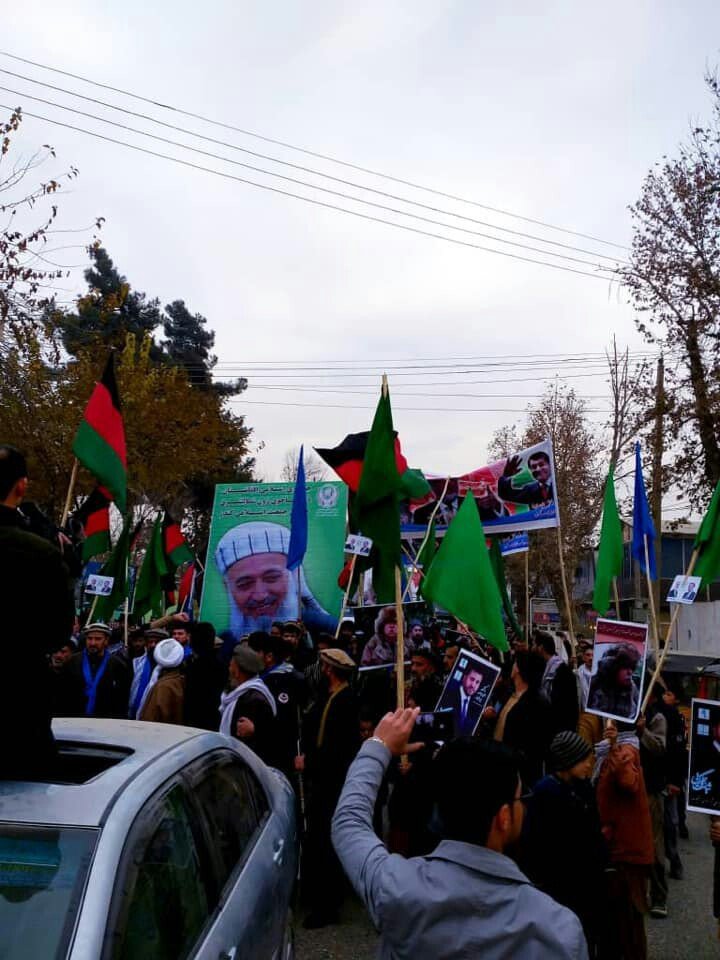
The Taliban defended their ban on demonstrations on Wednesday, claiming it aligns with Islamic law, though religious scholars have rejected this justification.
Taliban’s Defense of the Protest Ban
On Wednesday, September 11, the Taliban government defended its law prohibiting protests, which has faced widespread criticism from human rights groups and activists. This legislation bans all demonstrations, with the Taliban arguing that it is essential for maintaining security and stability in the country under Islamic law.
Zabihullah Mujahid, a spokesperson for the Taliban, stated that protests pertain to political matters typical of democratic societies and are unnecessary in an Islamic framework. He emphasized the need to prevent chaos and disorder, asserting that various institutions should be established to address grievances.
Religious Scholars’ Critique of the Protest Ban
A group of religious scholars has vehemently rejected the protest ban, labeling it un-Islamic. Fazl-ul-Hadi Wazeen, a professor of religious studies, argued that the right to protest exists for groups and pointed out that there is no sacred text prohibiting it. He cautioned that disregarding the right to protest could lead to tyranny and oppression.
In response to the law, Amnesty International described it as a threat to fundamental rights and freedoms, declaring peaceful assembly a natural right for citizens. The organization stressed that the ban on protests imposes further restrictions on existing freedoms in Afghanistan.
Reactions from Human Rights and Women’s Activists
Human rights activists, particularly women, have voiced their opposition to this law. A woman protester from Badakhshan expressed that the inability to protest ignores a significant part of her identity and presence. She insisted that the right to protest must be preserved not only for her but for all women in society.
Recently, reports have emerged detailing excessive force and gunfire during protests against the detention of women and girls by the Taliban, resulting in casualties among demonstrators. Human rights organizations, including UNAMA, have repeatedly emphasized the people’s right to peaceful expression.
The Taliban has introduced a law known as “Sharta,” which comprises 53 articles, addressing the prohibition of protests. This law has been signed by Hibatullah Akhundzada, the leader of the Taliban, and has been published in the official gazette.
-

Taliban Intensifies Pressure on Afghanistan’s Shia Community: Educational Institutions Targeted
-
Families Demand Answers as Two Afghan Journalists Remain Missing in Islamabad
-
Funding Crisis Threatens Women’s Organizations in Afghanistan
-
Clashes Erupt in Kamdish as Taliban and Afghanistan Freedom Front Engage in Heavy Fighting
-
Herat’s Trade Boom: Exchanges with Kazakhstan Reach $581 Million
-
Tensions Flare Again Along the Durand Line Amid Conflicting Claims