Social updated: November 3, 2026
Short Link:Crisis of Postpartum Depression Among Afghan Mothers: Alarmingly High Rates Demand Attention
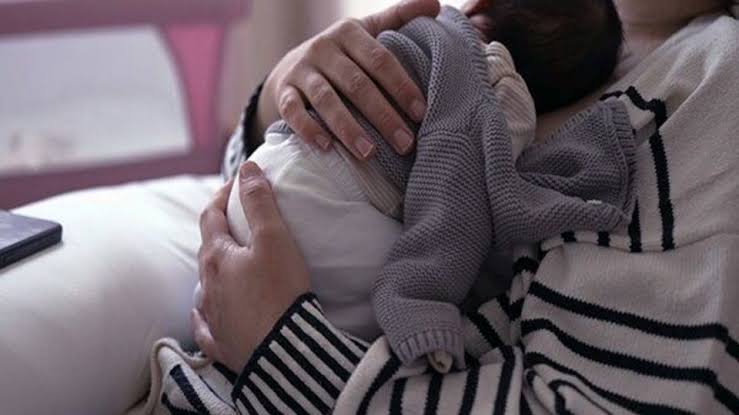
Mothers in Afghanistan are facing severe depression and anxiety following childbirth, with studies indicating that 49.3% of mothers in Kunduz province are affected by this disorder.
Postpartum Depression: The Psychological Challenges for Mothers in Afghanistan
Reports indicate that while the birth of a child is often viewed as a joyful event, many mothers in Afghanistan experience feelings of sadness, anxiety, and insomnia after giving birth. This condition, known as “postpartum depression,” requires attention and medical intervention.
Samia, a mother from Kunduz province, describes her struggle with profound sadness after her deliveries, explaining that this feeling prevents her from caring for her newborn. Similarly, Mojgan, a mother from Balkh, was hospitalized for a nervous breakdown following her third childbirth.
The Role of Family in Improving Mothers’ Mental Well-Being
Health specialists, including Dr. Sunita Bahram, attribute this disorder to hormonal changes, sleep deprivation, and social pressures. She emphasizes that family attention and understanding of mothers’ needs can play a critical role in helping them return to their normal state.
Psychologists like Sayna Hamidi stress the importance of support from family members. They should prioritize understanding the emotions and needs of mothers rather than solely focusing on the newborn.
Statistics and Facts About Postpartum Depression
A field study conducted in Kunduz province reveals that 49.3% of mothers have experienced symptoms of postpartum depression. Moreover, according to UNICEF reports, only 36.3% of mothers received healthcare services within the first two days after giving birth.
Dr. Sunita Bahram points out that this issue is often overlooked, with mothers facing undue judgment instead of understanding. She stresses that labels such as “bad mother” should not be applied, as this disorder arises from hormonal changes and challenges following childbirth.
-

Western Powers’ Contradictory Approaches Highlight Need for Regional Solutions in Afghanistan
-
Taliban Leader Hibatullah Akhundzada Named Among Key Threats to Media Freedom Worldwide
-
National Polio Vaccination Campaign Launches in Afghanistan
-
UNICEF Urges Urgent Vaccination Efforts as Polio Cases Rise in Afghanistan
-
Taliban Bans Firecrackers in Afghanistan to Enhance Public Safety
-
Experts Warn Taliban Opposition’s Ties to Pakistan Could Undermine Credibility