Social updated: November 3, 2026
Short Link:Afghanistan Faces Escalating Mental Health Crisis: Over 2.2 Million Affected
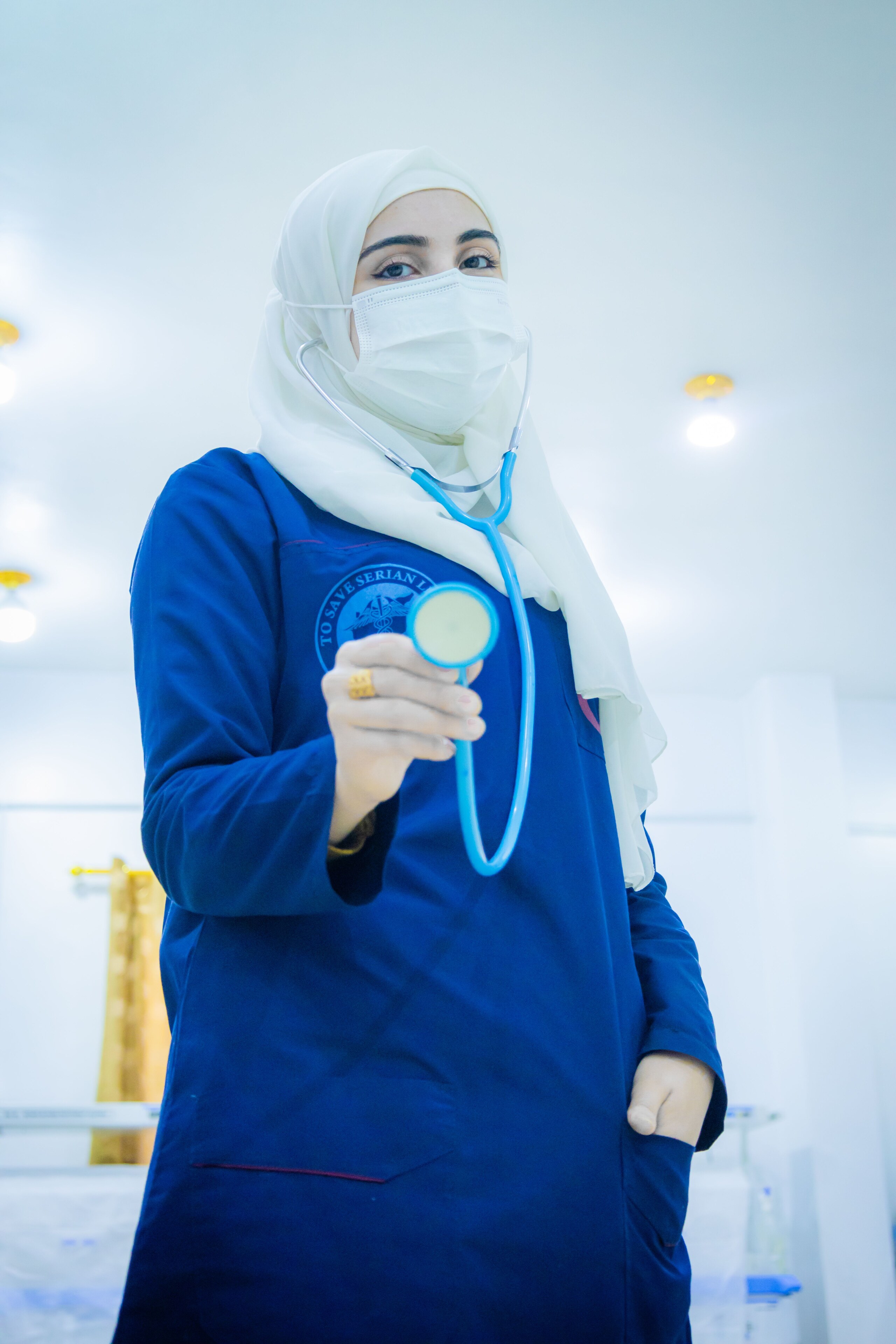
The Taliban’s Ministry of Public Health reported that over 2.2 million individuals have faced mental health issues in the past year. Analysts emphasize that this figure merely scratches the surface of the mental health crisis in the country.
Over 2.2 Million Mental Health Cases Registered
According to newly published statistics, the Taliban’s Ministry of Public Health has announced that more than 2.2 million people in Afghanistan have experienced mental health disorders during the last year.
Mawlavi Abdul Wali Haqqani, the Deputy Minister for Health Services, stated at an awareness meeting that the establishment of modern systems and the development of treatment centers are priorities for the ministry. He noted that treatment centers are currently operational only in Badakhshan, Nangarhar, Kunar, Kunduz, and Kandahar provinces.
Strong Criticism of the Current Situation
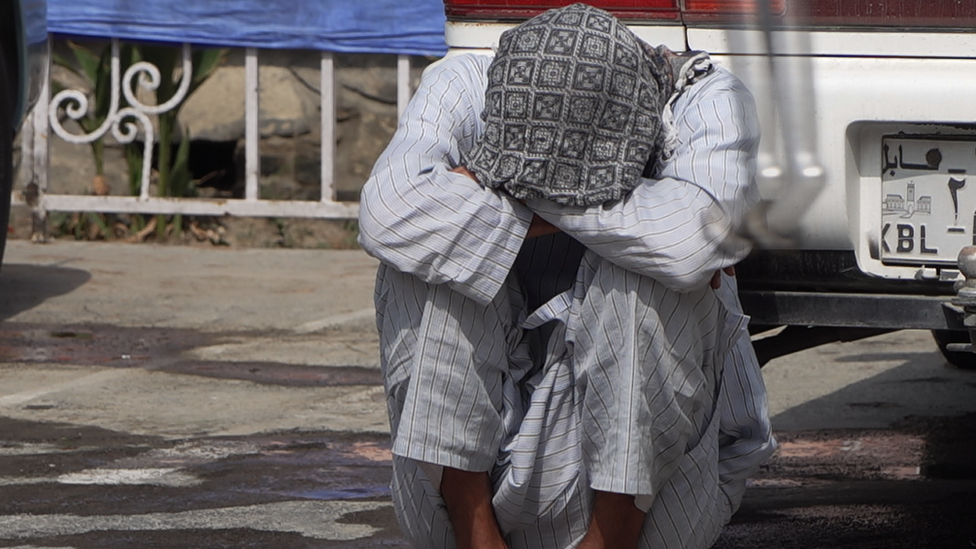
Residents of the country have vehemently criticized the current state of affairs, attributing instability and turmoil in society to the Taliban’s policies. Abdullah, a local resident, emphasized that nearly 98% of the population never visits health centers due to lack of awareness or stigma.
Analysts believe that the official figures presented are just the tip of the iceberg regarding the mental health crisis in Afghanistan. They stress the need for an independent assessment of the mental health conditions to truly understand the extent of the disaster.
Factors Contributing to the Rise in Mental Disorders
Harsh economic and social conditions, including the denial of human rights and restricted access to education, are cited as primary factors contributing to the prevalence of mental health issues in the country. Experts assert that the Taliban have eliminated job opportunities and significantly raised the prices of essential goods.
Abdullah pointed out that the current situation indicates a significant loss of peace in people’s lives, with daily routines facing serious challenges.