Cancer Cases Surge in Afghanistan Amid Crippling Treatment Shortages
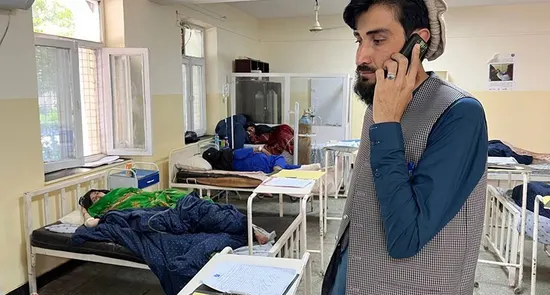
The number of cancer cases in Afghanistan has risen sharply, leaving patients struggling with limited access to treatment and medical facilities. Nooria Maqsudi and other patients share their harrowing experiences with the disease.
Unprecedented Rise in Cancer Cases in Afghanistan
The incidence of cancer in Afghanistan has increased significantly. The country faces a critical shortage of medical services and specialized facilities for diagnosing and treating this disease. Nooria Maqsudi, one of the patients, shares a tragic story of her family. “My grandmother, my mother, my grandfather, and other family members have died from this illness. Now I am also afflicted and have traveled to Iran for treatment,” she recounts.
Challenges Faced by Cancer Patients
Nooria, who has battled cervical cancer for six years, states that after her treatment, the illness spread to other parts of her body. Another patient, 45-year-old Hasiba, who is suffering from stomach cancer, highlights the difficulties caused by financial hardship and inadequate medical services.
Annually, approximately 16,923 people in Afghanistan lose their lives due to cancer. Alam Kabiri, an Afghan journalist, was among the victims of this disease, ultimately succumbing after prolonged treatment attempts. His relatives recount that, given the limited medical resources, they could not commence timely treatment.
Shortage of Medical Services and Weak Oversight
Dr. Ahmad Javid Zarang, a specialist in internal oncology, mentions that they see a large number of cancer patients daily, highlighting the scarcity of trained personnel and medical equipment as major challenges. He also points to the absence of radiation machines, which are essential for cancer treatment.
The Taliban’s Ministry of Public Health has remained silent on the state of cancer treatment services. However, reports indicate that cancer patients in Afghanistan are facing serious challenges within the treatment sector. According to statistics from the International Agency for Research on Cancer, around 24,275 new cancer cases were registered in the country in 2022.