Economic updated: August 31, 2026
Short Link:Global Engagement with the Taliban: A Complex Necessity Driven by Security and Intelligence Needs
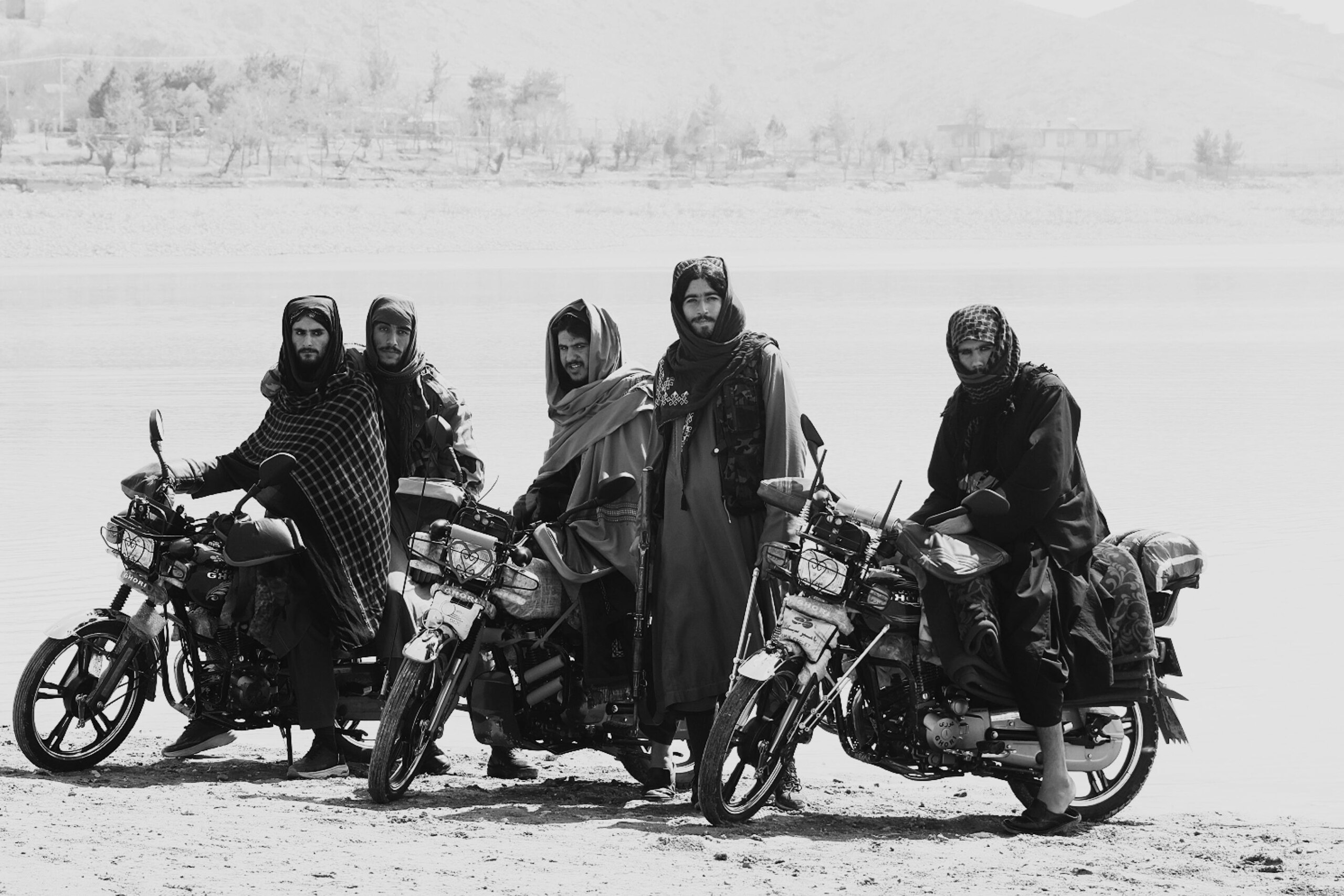
Experts and former diplomats from Afghanistan believe that international interactions with the Taliban are primarily driven by needs for intelligence and economic interests.
International and Regional Engagement with the Taliban
Since the Taliban’s return to power in August 2021, the group faced initial global isolation. However, it has gradually expanded its political and diplomatic engagements with certain countries. Experts and former diplomats assert that these relationships are largely shaped by the need for intelligence and security information from these nations.
Countries’ Necessity to Engage with the Taliban
Shukria Barakzai, former Afghanistan ambassador to Norway, stated in an interview that the interactions of some countries with the Taliban stem from their necessity, although she added that these engagements have not significantly impacted the situation in Afghanistan. She remarked, “These relationships do not lead to economic and social progress, as the Taliban do not adhere to international principles.”
Impact of Engagements on Human Rights
Hekmatullah Azimi, a senior researcher, noted that certain countries need to maintain contact with the Taliban for security information gathering. He elaborated, “The presence of armed groups such as ISIS-K has compelled regional countries to maintain security ties with the Taliban.”
Stagnation in Taliban Policies
Shinkai Karokhail, former Afghanistan ambassador to Canada, warned against normalizing the human rights situation in Afghanistan, emphasizing that these relations might encourage the Taliban not to change their internal policies. Meanwhile, international experts believe that the Taliban’s foreign policy can only be effective if it guarantees people’s rights and establishes an inclusive government. Expecting Khadem pointed out that for the Taliban to gain recognition, they must accept international principles; otherwise, achieving this goal will be challenging.
-

Taliban Intensifies Pressure on Afghanistan’s Shia Community: Educational Institutions Targeted
-
Funding Crisis Threatens Women’s Organizations in Afghanistan
-
Clashes Erupt in Kamdish as Taliban and Afghanistan Freedom Front Engage in Heavy Fighting
-
Herat’s Trade Boom: Exchanges with Kazakhstan Reach $581 Million
-
Tensions Flare Again Along the Durand Line Amid Conflicting Claims
-
Human Rights Advocates Urge Action Against Taliban’s Suppression of Religious Minorities in Afghanistan