George H.W. Bush Was The Last President To Really Get Tough With Israel
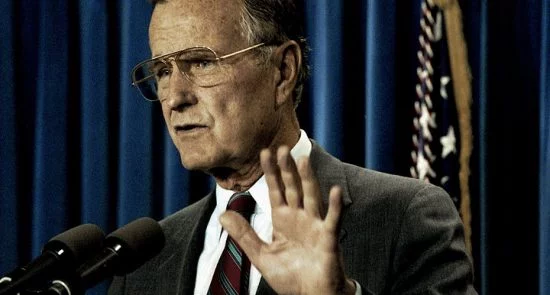
George H.W. Bush’s Legacy in Israeli-Palestinian Diplomacy: A Forgotten Chapter
George H.W. Bush, the 41st President of the United States, left a significant yet often overlooked legacy in the realm of international diplomacy. His tenure was marked by a bold and balanced approach to the Israeli-Palestinian conflict, which laid the groundwork for the first direct peace talks between the two parties. Despite the magnitude of this achievement, it has not received the attention it deserves in the broader analysis of his presidency, especially following his passing.
The Context of Bush’s Diplomatic Efforts
During the late 1980s and early 1990s, the Middle East was a region fraught with tension and conflict. The Israeli-Palestinian conflict, in particular, had been a longstanding issue with deep-rooted historical grievances. Bush’s administration recognized the need for a fresh approach that could break the cycle of violence and pave the way for peace.
In this context, Bush employed a strategy that was both assertive and equitable. He was not afraid to exert pressure on Israel, a key American ally, by threatening to withhold aid to encourage progress towards peace. This approach was a stark departure from the policies of his predecessors and successors, making him the last American president to take such a strong stance against Israel in pursuit of peace.
The Madrid Conference: A Diplomatic Milestone
One of the most notable achievements of Bush’s diplomatic efforts was the Madrid Conference of 1991. This historic event marked the first time that Israeli and Palestinian representatives engaged in direct negotiations. The conference was a culmination of intense diplomatic efforts involving not only Israel and Palestine but also other Arab nations. As Daniel Kurtzer, a seasoned U.S. diplomat involved in shaping Bush’s Middle East policy, noted, “Bush’s foreign policy legacy, especially on the issue of Israeli-Palestinian peace, cannot be overstated.” His willingness to challenge all parties involved was instrumental in bringing them to the negotiating table.
The success of the Madrid Conference was not just a diplomatic victory for Bush but also set a precedent for future peace talks. It demonstrated the potential of diplomatic engagement and the importance of a balanced approach to conflict resolution.
Lessons from Bush’s Approach
Reflecting on Bush’s legacy, it is evident that his approach to Israeli-Palestinian diplomacy offers valuable lessons for contemporary international relations. His “tough-love” strategy, which combined pressure with engagement, was key to achieving progress. Unfortunately, this approach was not sustained by subsequent administrations, which opted for different strategies.
The implications of abandoning Bush’s diplomatic framework are still felt today. As the Israeli-Palestinian conflict continues to be a source of regional instability, there is a growing recognition of the need for renewed diplomatic efforts. This is particularly relevant given the current geopolitical landscape, where issues such as the U.S. relations with China and the involvement of other regional powers like Saudi Arabia in Middle Eastern affairs are increasingly prominent.
Contemporary Relevance and Challenges
In today’s complex geopolitical environment, the lessons from Bush’s diplomacy are more pertinent than ever. The Middle East remains a region of strategic importance, with ongoing conflicts and shifting alliances. For instance, the role of Saudi Arabia in regional politics and its interactions with countries like Pakistan highlight the intricate web of alliances that influence peace efforts.
Moreover, the evolving nature of conflicts, such as the situation in Afghanistan, underscores the challenges of achieving lasting peace. The concerns of the Afghan people regarding peace deals and the broader implications of U.S. foreign policy decisions in the region are reminders of the complexities faced by diplomats today.
The Path Forward
As the international community grapples with these challenges, there is a pressing need to revisit the strategies that have proven effective in the past. Bush’s legacy in Israeli-Palestinian diplomacy serves as a testament to the power of balanced and assertive engagement. By learning from his approach, modern-day diplomats can work towards creating a more stable and peaceful Middle East.
In conclusion, while George H.W. Bush’s contributions to Israeli-Palestinian diplomacy may not have received widespread recognition, their impact is undeniable. His legacy offers valuable insights into the art of diplomacy and the pursuit of peace in a complex world. As we reflect on his achievements, it is crucial to draw inspiration from his example and strive for a future where diplomacy triumphs over conflict.
-

Afghanistan’s Mujahid Defends Iran Amid US-Israel Tensions
-
US and Israel’s Military Actions Impact Food Security in Afghanistan
-
Emergency Landing of Spanish Prime Minister’s Aircraft Raises Eyebrows Amid Diplomatic Tensions with Israel
-
UAE’s OPEC Exit Signals Shift in Regional Alliances and Economic Tensions
-
Israel’s Conflict with Iran Tally: A Staggering $20 Billion Cost
-
Taliban’s Minister of Justice: The Palestinian Issue Remains a Priority for Muslims


