WHO Issues Urgent Health Guidelines Amid Eastern Afghanistan Flood Crisis
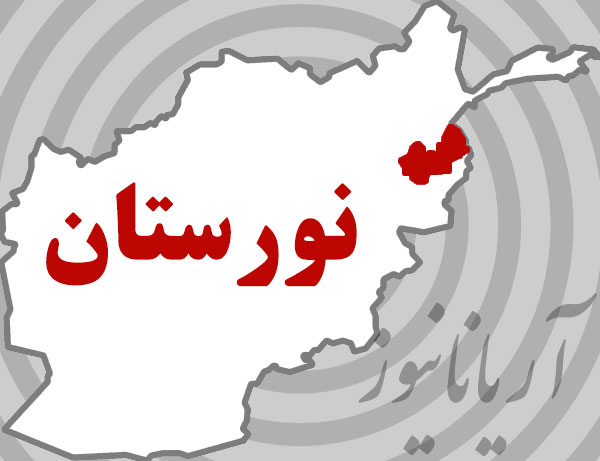
The World Health Organization has issued urgent health guidelines to prevent disease outbreaks in response to devastating floods in the eastern provinces of the country. This announcement comes as the death toll from recent flooding in Parun, Nuristan, has risen to 23, with dozens still missing.
Health Guidelines Released for Affected Areas
The WHO office in Afghanistan has published crucial health advice for residents in flood-stricken regions, following the recent deadly floods in various parts of the country. The organization aims to prevent the spread of infectious and environmental diseases by urging people to adhere to all health and safety guidelines in their daily routines.
Emphasis on Water and Food Safety
In its recommendations, residents of the flooded areas have been advised to exercise caution regarding drinking water, using only safe and preferably boiled sources. The WHO has also stressed the importance of avoiding any food items that have come into contact with floodwaters, ensuring that food is stored in sealed containers, and maintaining regular handwashing with soap and clean water. Furthermore, patients have been advised to stay hydrated by consuming adequate amounts of clean fluids to prevent dehydration.
Main Focus of the Crisis in Eastern Provinces
These recommendations have been released following heavy rains and sudden flooding in Nuristan, Nangarhar, and Laghman provinces. Field reports indicate that the most significant damages and human losses have occurred in Parun, the capital of Nuristan province.
Latest Toll and Missing Persons Status
According to the latest official statistics, the flooding in Parun has claimed at least 23 lives and injured nearly 80 others. Search operations continue for dozens of individuals who remain missing, conducted by local residents and rescue teams.
-

Critical Malnutrition Crisis Affects Over 500,000 Afghan Children Amid Rising Poverty
-
Successful Military Operation in Nuristan Halts ISIS Infiltration
-
Concerns Rise Over Potential Covert Land Deal Between Taliban and Pakistan in Border Regions
-
Polio Cases Increase in Afghanistan: WHO Reports Four New Infections
-
Kunar and Nuristan Residents Sound Alarm Over Illegal Logging Threats
-
Polio Vaccination Drive Launched in Afghanistan to Protect Children