UN Expands Support for Women-Led Initiatives in Afghanistan Amid Growing Restrictions
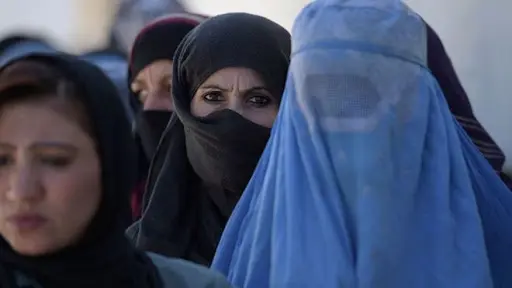
The United Nations Multi-Partner Trust Fund has announced an expansion of its support for women-led civil society organizations in Afghanistan, reporting that thousands of individuals in the eastern and western regions of the country have benefited from community-centric initiatives…
Expansion of Community-Centric Projects and Strengthening Local Capacities
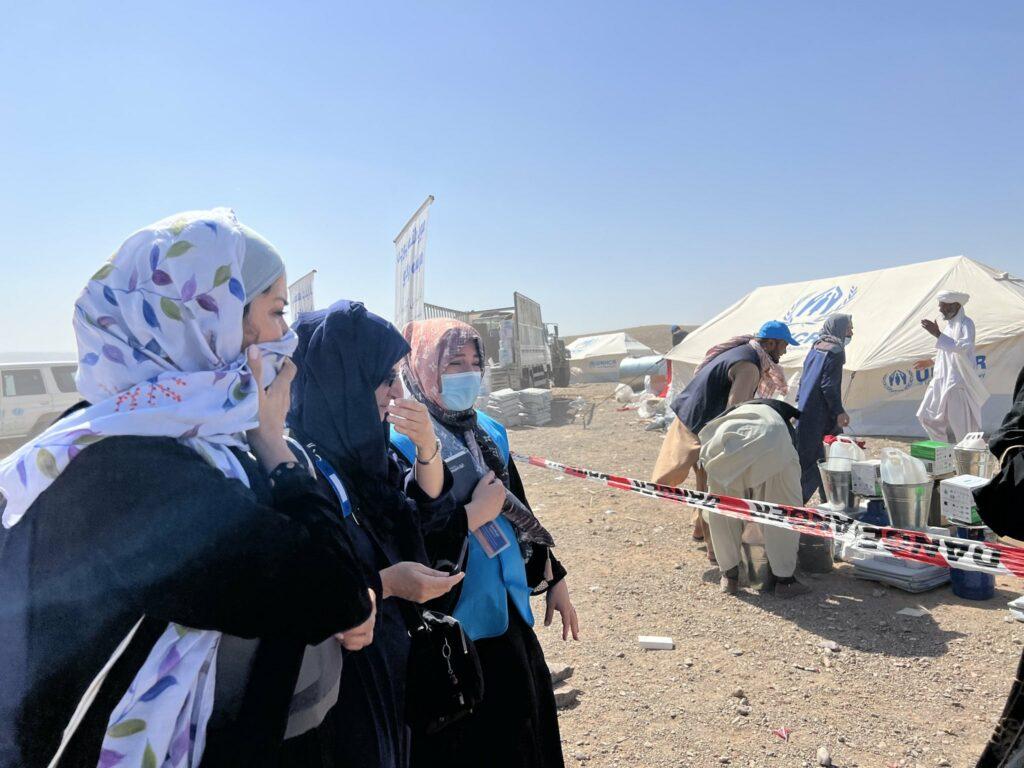
The UN Multi-Partner Trust Fund for Afghanistan reported that over the past year, it has broadened its support and strengthening of women-led civil society organizations across the country. This initiative has revitalized civic activities at a time when restrictions on women’s social, economic, and civil engagements have intensified, making this effort even more crucial.
Timeline of the Plan and Addressing Challenges to Civil Structures
This developmental program, managed by the UN Women’s division in Afghanistan, began in April 2024 and is scheduled to run until October of the following year. UN officials have stated that the plan is a direct response to increasing oppressive measures and restrictions on the rights, social participation, and access of Afghan women to essential life resources. The aim is to prevent the complete dismantling of civil structures managed by women themselves.
Efforts to Preserve the Last Avenues of Social Activity in the Capital and Provinces
As the social engagement and work environment for women in Afghanistan has tightened significantly in recent years, civil entities are facing challenges such as drastic cuts in funding, administrative pressures, and hurdles to practical work. Experts describe these programs as efforts to maintain the last active layers of women’s civil society in the country. However, social analysts believe that the current situation highlights a dependency of a substantial portion of women’s dynamism and activities on external financial assistance and international supportive structures.
-

Tensions Flare Again Along the Durand Line Amid Conflicting Claims
-
UN Official Urges Essential Role of Women in Afghan Humanitarian Efforts
-
Human Rights Advocates Urge Action Against Taliban’s Suppression of Religious Minorities in Afghanistan
-
Afghanistan Faces Dual Water Crisis Amid Seasonal Rains
-
New Evidence Delays UK Investigation into Afghanistan War Crimes
-
Economic Growth in Afghanistan Overshadowed by Declining Per Capita Income and Rising Poverty