Taliban Fighters Trapped in Addiction Amid Broken Promises of Paradise
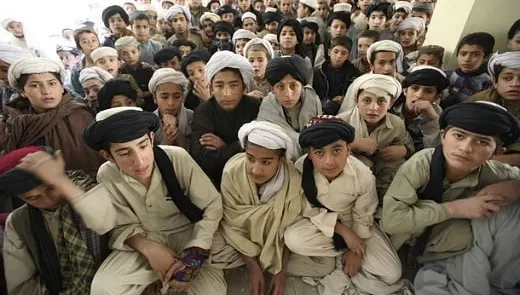
Recent findings indicate that thousands of Taliban fighters, who were sent to battle with promises of paradise and eternal pleasures, have now become ensnared in addiction to narcotics, medical alcohol, and moral depravity. This report, based on the confessions of failed suicide bombers and local sources, reveals the group’s shift towards hedonism and systemic abuse of power…
Deepening Crisis of Addiction Among Taliban Fighters
Field research and interviews with informed sources suggest a profound psychological and ethical crisis among various levels of Taliban fighters. Young individuals, once indoctrinated in religious schools in Pakistan, who donned suicide vests with promises of meeting houris and drinking pure wine, have now succumbed to the vortex of drug addiction after years of violence. Disturbing accounts from failed bombers illustrate how sexual stimuli and descriptions of physical pleasures in paradise served as the primary tools for the group’s leaders to lead youth into death and slaughter; those same young men now confront harsh realities, realizing that many of those promises were mere illusions meant to empower their leaders.
Addiction to Narcotics and Medical Alcohol: A Refuge for Wounded Souls
Reports from pharmacies and health centers indicate a sharp rise in drug abuse among Taliban fighters. Many of these individuals resort to such substances, claiming war injuries and brain trauma as reasons to escape the pressures of mental distress and chronic insomnia. Alarmingly, multiple sources have confirmed that some of these fighters, due to increased body resistance to intoxicating pills, have turned to medical alcohol; a phenomenon that starkly contrasts with the group’s religious slogans and their claims of fighting against immorality.
Systemic Corruption and Collusion with Smuggling Networks
Alongside the addiction crisis, administrative and moral corruption has taken root within this government. The explicit confessions of some drug dealers in central provinces reveal that their open activities are directly supported by officials who either consume drugs themselves or profit from the proceeds of drug trafficking. This unholy alliance between jailers, anti-narcotics officials, and traffickers effectively undermines any claims of fighting against drugs. Meanwhile, reports of abuses of power for repeated marriages and even assaults on women in northern provinces highlight a stark departure from the proclaimed ideals towards hedonism and personal tyranny.
Deviation from the Mission: From Battlefields to Luxury Hotels
The shift in lifestyle among Taliban officials towards lavishness and worldly pleasures has sparked anger and frustration among the lower ranks of the group. Instances such as a senior air force official’s effort to procure alcohol at the luxurious Ghulgula Hotel in Bamiyan are indicative of the reality that lies behind their religious slogans. Fighters who have caused grief to many families in pursuit of eternal pleasures now observe their commanders seeking similar indulgences in this world, while they themselves are abandoned in the mire of addiction and mental challenges; a fate that has created a deep rift between the base and leadership of this group.
-

Former SIGAR Chief Declares U.S. Mission in Afghanistan a Total Failure
-
Taliban Leader Advocates for Unity and Integrity in Eid Message
-
Disillusionment and Despair: Taliban Fighters Face Crisis of Faith and Addiction
-
Widespread Corruption in Afghanistan Hinders International Community’s Assistance
-
Israel’s Netanyahu Faces Calls to Quit over a Corruption Scandal