Pakistan Accuses Afghanistan of Fomenting Terrorism as Relations Deteriorate

Mohsin Naqvi, Pakistan’s Interior Minister, has directly accused Afghanistan of interfering in terrorist attacks against Pakistani territory. He emphasized that the primary perpetrators of these attacks are individuals crossing the Durand Line from Afghanistan. These explicit accusations come at a time when relations between the two countries are at their lowest since 2021…
Accusations Against Afghanistan Regarding Terrorist Attacks
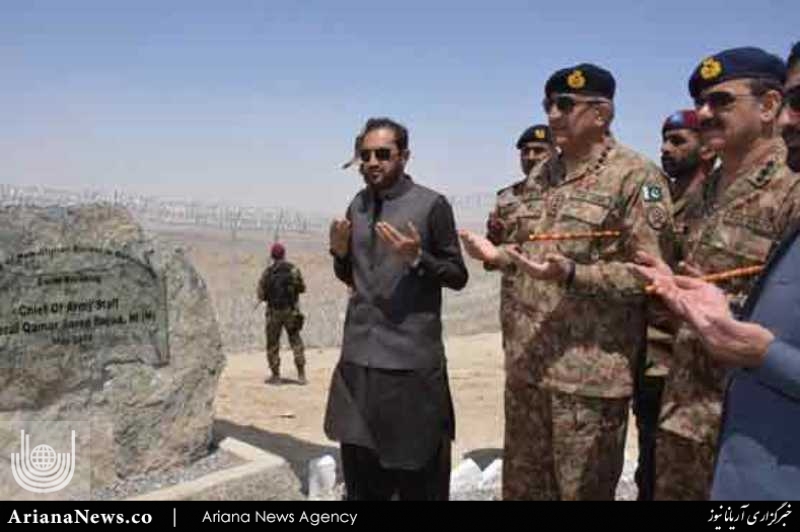
Mohsin Naqvi, the Interior Minister of Pakistan, made unprecedented claims on Saturday during a visit to the Wana Military Academy in South Waziristan, the site of a deadly terrorist attack last week. In this attack, at least three security personnel lost their lives.
During a discussion with local tribal leaders in the Wana region, Naqvi stressed that local residents had no role in these assaults and that the main perpetrators were those entering Pakistan from across the Durand Line.
Reference to Two Major Recent Attacks
The Interior Minister specifically highlighted two recent incidents that have incurred significant casualties:
1. A suicide bombing near the Islamabad Judicial Complex that claimed the lives of 12 people.
2. The attack on the Wana Military Academy which resulted in the deaths of three security personnel.
He stated, “In both the Waziristan attack and the Islamabad bombing, the attackers came from outside. Those who are sent from there [Afghanistan] are the ones carrying out these assaults.” He also reiterated that for a considerable time, none of the attacks had been conducted by local residents.
Don’t Destroy Our Peace
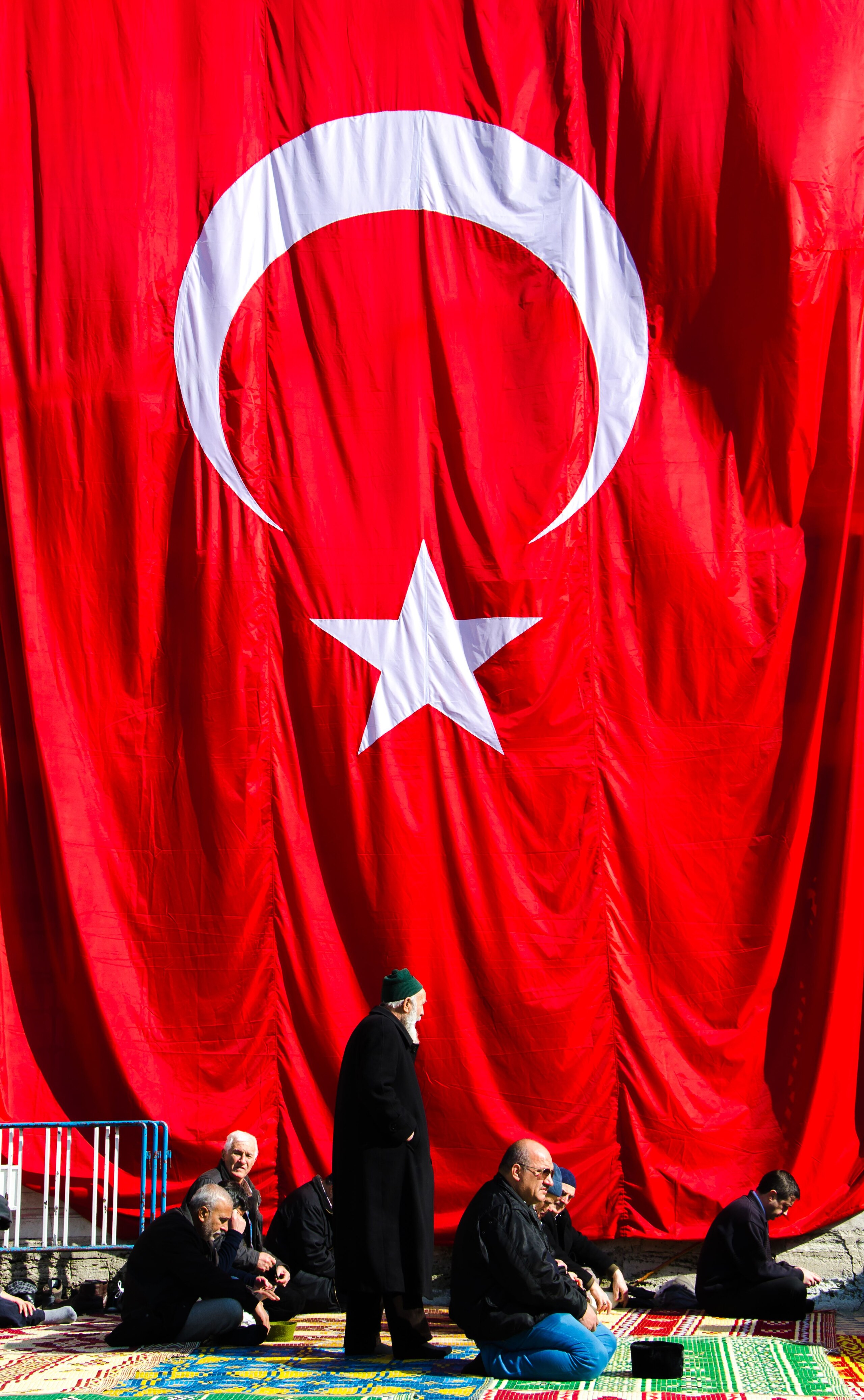
Naqvi reminded about recent discussions between Pakistan and Taliban officials in Qatar and Turkey, asserting that Islamabad has repeatedly urged Kabul to halt terrorist activities originating from Afghan soil.
He emphasized, “Do not destroy our peace,” underscoring a message shared during negotiations with the Taliban.
These accusations come amid deteriorating relations between Pakistan and the Taliban, which are at their worst since the Taliban regained power in 2021. Trade and transit routes between the two countries have been closed for over a month, with recent tri-country talks abroad yielding no results.
Security Crisis or Political Pressure?
This repeated series of accusations reflects a growing security crisis along Pakistan’s eastern borders and Islamabad’s failure to curb the influence of insurgent groups. This approach may also serve as a form of political pressure on Kabul, especially as economic and diplomatic avenues have reached a standstill.
Conversely, the Taliban have frequently responded to these accusations by stating that the insecurity in Pakistan is a domestic issue and that Kabul is unable to provide security within Pakistan. The Taliban’s insistence on the internal nature of the crisis suggests their reluctance to commit to any cross-border security obligations.
-

Returnees from Pakistan Face Dire Educational and Economic Challenges for Daughters
-
Tensions Flare Again Along the Durand Line Amid Conflicting Claims
-
Turkey’s Intelligence Chief Engages in Security Talks in Afghanistan and Pakistan
-
Taliban Blames Pakistan for Airstrikes Amid Domestic Turmoil
-
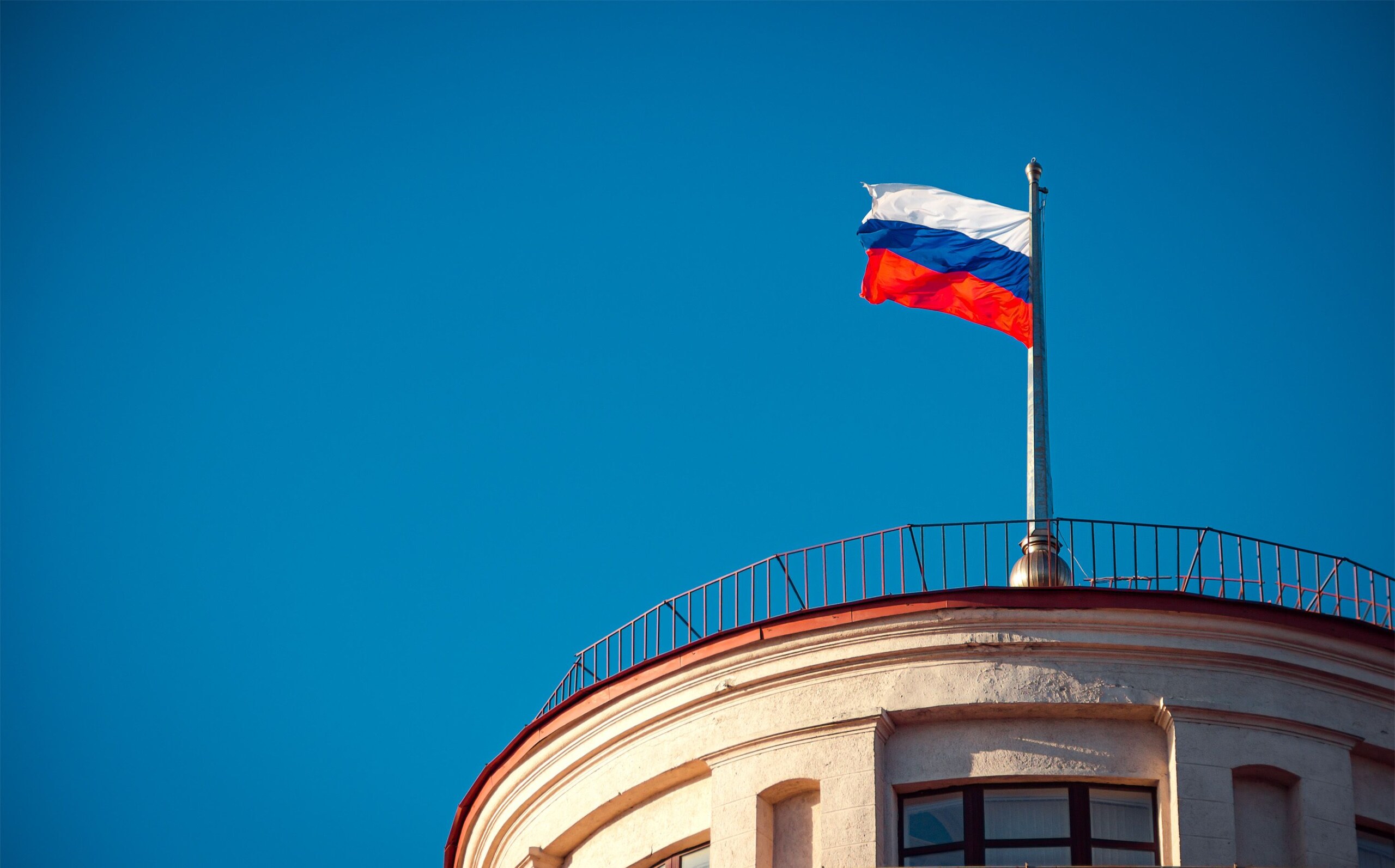
Russia Urges Taliban and Pakistan to Seek Dialogue Amid Rising Tensions
-
Taliban Vows Retaliation Against Pakistani Airstrikes After Civilian Casualties