Urgent Call to Action: Afghan Students Facing Eviction in Pakistan
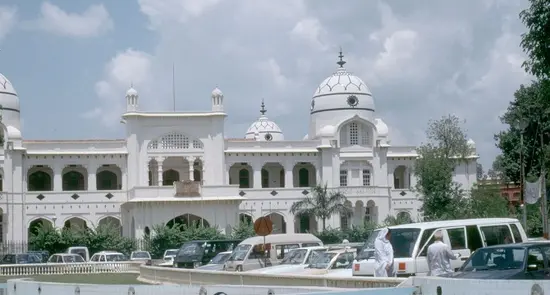
The International Afghan Students Association has strongly condemned the directive from King Edward Medical University in Lahore, Pakistan, mandating Afghan students and doctors to vacate their dormitories within 48 hours. This decision comes at a time when the halt in visa renewals and the intensification of forced evictions have plunged Afghan refugees and students into a dire humanitarian crisis.
48-Hour Ultimatum for Afghan Students and Doctors
The International Afghan Students Association (IASA) has released an official statement condemning the abrupt decision made by the administration of King Edward Medical University in Lahore. According to the directive, all Afghan students, doctors, and citizens residing in the university’s dormitories who have not been able to renew their visas are given only 48 hours to vacate their accommodations. Failure to comply will result in forceful evictions.
Response from the United Nations and International Bodies
In response to this action, the United Nations High Commissioner for Refugees (UNHCR) has initiated discussions with Pakistani authorities in an effort to prevent the expulsion of students. Kaiser Afridi, a spokesperson for the agency in Islamabad, emphasized that the educational activities of these individuals are ongoing and that their expulsion lacks any logical justification. The International Afghan Students Association has also urged UNESCO, UNICEF, and the International Organization for Migration to intervene immediately to ensure the continuation of these young people’s education.
Administrative Impasse and Visa Renewal Standstill
Reports and statements from refugees indicate that the Pakistani government has completely halted the issuance and renewal of visas for Afghan citizens, alongside increasing detentions. Many migrants, despite being registered with UN offices, live in fear of arrest due to their documents being deemed invalid by the Pakistani police, restricting their movement within the cities.
Political Roots of Pressure and Humanitarian Consequences
Political analysts believe that Afghan migrants and students are victims of the strained relations and political tensions between the Taliban government and Islamabad. Statistics show that since the beginning of this year, over 158,000 Afghans have returned from Pakistan, with projections suggesting this number could exceed two million by the end of the year. This wave of return, analysts argue, will further strain Afghanistan’s infrastructure given the country’s existing economic challenges, drought conditions, and lack of basic services.
-

Returnees from Pakistan Face Dire Educational and Economic Challenges for Daughters
-
Rising Tensions as Deadline Approaches for Al-Siliya Camp’s Closure
-
Afghan Refugees in Germany Face Growing Uncertainty Amidst AfD’s Rise
-
UN Experts Call on Pakistan to Halt Afghan Refugee Expulsions Amid Rising Risks
-
UNICEF Reports Over 480,000 Afghan Children Treated for Severe Malnutrition Amid Ongoing Crisis
-
Surge in Afghan Deportations from Pakistan Sparks Humanitarian Crisis