Social September 21, 2026
Short Link:Healthcare Crisis in Afghanistan: Millions Face Medicine Shortages and Clinic Closures
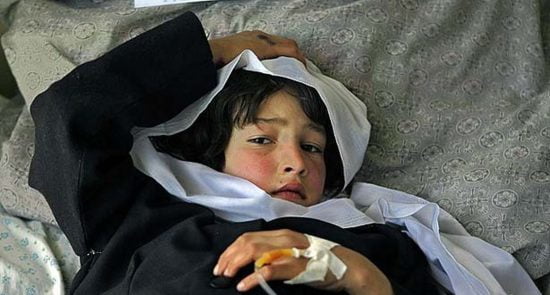
The shortage of medicine and the closure of health centers in Afghanistan are making access to medical services difficult for over three million people. Economic challenges have exacerbated this situation.
Shortage of Medicine and Closure of Health Centers
The lack of medicine and the closing of several health centers in Afghanistan have created serious issues for families. These challenges have compounded the struggles of people already facing economic hardships. For many patients, accessing clinics and purchasing medicine has turned into a significant challenge.
Shamsia, a resident of Takhar province, shares her experience: “Every time I go to the clinic, I return empty-handed. I am completely discouraged from visiting the clinic.” She explains that the scarcity of medications and medical facilities renders visits to health centers ineffective.
Similar Situations in Other Provinces
In Badghis province, a similar situation exists. Malika, who lives in a remote area, states: “In my area, the clinic offers no services. The doctor only sees you once and tells you to go buy medicine outside the clinic.”
Shah Faisal, a resident of Baghlan province, emphasizes the difficulty in accessing health services, saying: “There is no health clinic in our area, and there is an urgent need to establish one.”
Officials’ Responses and Financial Status
The spokesperson for the Taliban’s Ministry of Public Health, Sharafat Zaman, did not address these concerns directly. However, Zabihullah Mujahid, a spokesperson for the Taliban government, announced that the Ministry of Public Health has developed a five-year plan to strengthen the healthcare system. According to him, 92.7 million health services have been provided to citizens in the past year.
The World Health Organization has also stated that the reduction in humanitarian aid in the coming years will lead to the closure of hundreds of health facilities. According to their report, by December 20, 2025, 445 health centers are expected to close due to financial problems.
Serious Challenges Facing the Healthcare System
The shortage of medication and medical equipment in Afghanistan has become one of the most significant challenges facing the healthcare system. Domestic production of medicine is very limited, and the country heavily relies on imports. Additionally, border issues have disrupted the supply chain. Health workers in Ghor province have pointed out the lack of medicine and budget constraints, stressing that this situation has severely impacted health services.
Amid rising tensions between the Taliban government and Pakistan, the transport of medicines and medical supplies has faced disruptions, further worsening the humanitarian crisis in Afghanistan.
-

Afghan Girls Ignite Educational Initiative Amid Restrictions
-
Kunar’s Earthquake Survivors Struggle for Shelter as Winter Approaches
-
EU Engages with Taliban on Afghan Refugee Repatriation Amid Growing Concerns
-
Pakistan’s PM Urges Global Action Against Rising Terrorism from Afghanistan
-
Kabul Compiles Diplomatic Dossier Accusing Pakistan of Terrorism Support and Human Rights Violations
-
Former Balochistan Minister Calls for Action Against Taliban Regime


