Afghan Women’s Rights Crisis Is Rooted in Political Exclusion, Koofi Says
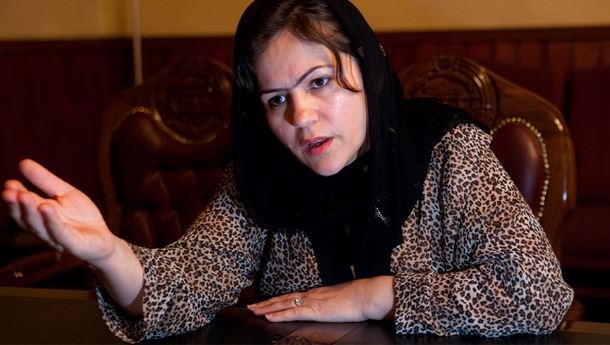
Fawzia Koofi, a former member of Afghanistan’s parliament and head of Women for Afghanistan, said the country’s problems go beyond a humanitarian or human rights crisis and stem from a deeper political crisis. Speaking at the fourth “Hear Our Voice” international conference in Madrid, she said the concentration of power and the exclusion of citizens from decisions about their country’s future were driving restrictions on women’s freedoms, poverty and wider social hardship.
Spain calls on Taliban authorities to answer for rights abuses
Spain’s foreign minister urged the Taliban to be held accountable for violations of women’s rights and stressed the need to defend human rights.
At the conference, José Manuel Albares described the Taliban’s policies as “gender apartheid” and called on the international community to put pressure on those responsible for human rights abuses. The event, jointly organized by Spain’s foreign ministry and Women for Afghanistan, brought together Afghan women activists and United Nations representatives.
Albares pointed to Afghan women and girls being denied basic rights to education and employment, saying the policies had created a system based on discrimination and gender segregation. He said Spain strongly supported making “gender apartheid” a crime under international law and would not recognize the Taliban authorities while women’s rights continued to be violated.
Independent investigation into rights violations in Afghanistan
Albares said Spain had allocated funding to establish an independent mechanism to investigate and document human rights violations in Afghanistan. The ongoing assault on women’s rights, he warned, posed a threat to coexistence within the international multilateral system.
Koofi thanked Spain for its support and described Afghanistan’s situation as a deep political crisis. “The Taliban authorities have increased the number of women standing in long lines outside bakeries to beg,” she said.
Severe consequences for Afghan women
Pramila Patten, the UN secretary-general’s special representative on sexual violence in conflict, described the situation facing Afghan women since the changes of August 2021 as one of the world’s most devastating cases of systematic gender-based persecution. She stressed the importance of documenting crimes and gathering evidence for possible prosecution.
The Madrid conference called for an end to impunity in Afghanistan. Women and girls remain barred from education beyond the sixth grade and from attending university. Taliban officials say women’s rights are protected under Islamic law, but human rights activists reject those claims as unfounded.
FEATURED
-

More Than 47,000 Women and Girls Killed by Partners or Family in 2025, UN Says
-
Google Commits $40 Billion to Texas Tech Infrastructure by 2027
-
New Evidence Reveals Alarming Exposure to Explicit Content Among Teens on Instagram
-
Europe Faces Unprecedented Heatwaves and Wildfires as Climate Crisis Intensifies


