Social updated: September 10, 2026
Short Link:Afghan Women’s Rights Activist Urges Action Amid Immigration Struggles in Pakistan
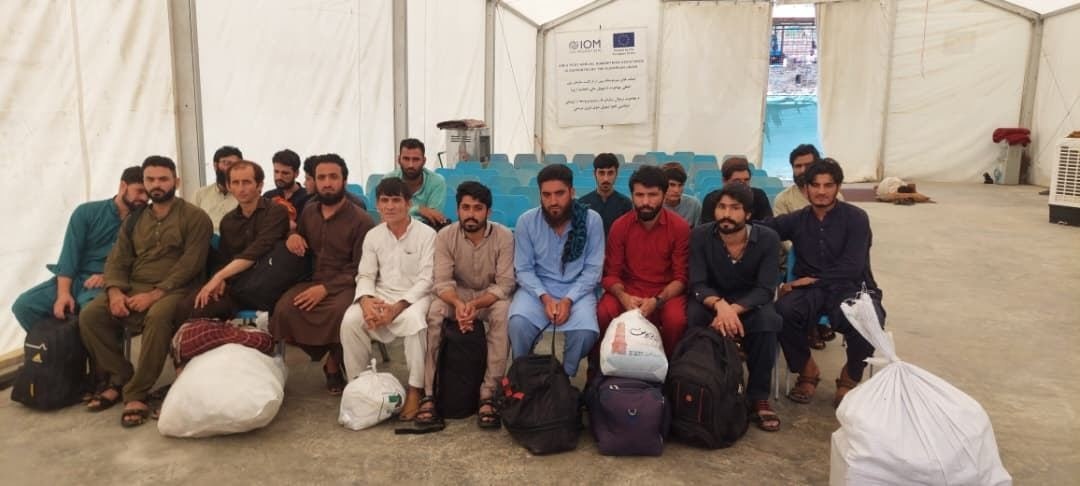
Lina Amani, an Afghan women’s rights activist and refugee in Pakistan, shared her family’s struggles due to their uncertain immigration status and called for more attention to immigration cases.
Uncertain Status of Afghan Refugees in Pakistan
Lina Amani, an Afghan women’s rights advocate, expressed her concerns about the challenges arising from her unstable immigration status during a recent discussion in Pakistan. After leaving Afghanistan nearly five years ago, she lamented the long wait for resolution, stating, “It’s hard to not know how long we must wait.”
Amani mentioned that she had hoped to be transferred to another country soon, but the process has dragged on for years. She faces daily challenges including visa issues, limited job opportunities, and economic pressures, adding, “We are asking for our residency here to be legalized and for better conditions for education and work.”
Impact of Immigration Challenges on Life and Education
The women’s rights activist further highlighted that the delays in her migration process have affected her education, leading her to work in graphic design and web development to support her living expenses. Although she intended to pursue a master’s degree after completing her bachelor’s, she is currently facing many uncertainties.
The situation for women in Afghanistan has drastically deteriorated under Taliban rule, with girls’ schools above sixth grade closed and severe restrictions placed on their work and social interactions. Amani stressed, “If this situation continues and becomes normalized globally, it will be extremely painful for us.”
Pressure on Pakistan to Support Afghan Refugees
Amani also detailed the process of her immigration case for relocation to the United States, emphasizing the need for visa extensions and addressing the immigration cases of refugees in Pakistan. She noted that the expulsion of Afghan migrants lacking documentation has become a new challenge. According to the UN High Commissioner for Refugees, it is estimated that by 2026, over 2.6 million Afghans may return from Pakistan to their homeland.
She pointed out that their case situation differs from those of other migrants and urged the UN and human rights-supporting countries to apply pressure on Pakistan to facilitate their legal residency. Despite all these obstacles, she remains hopeful that one day her long wait will come to an end, allowing her to continue her master’s education.
-

Returnees from Pakistan Face Dire Educational and Economic Challenges for Daughters
-
Tensions Flare Again Along the Durand Line Amid Conflicting Claims
-
Turkey’s Intelligence Chief Engages in Security Talks in Afghanistan and Pakistan
-
Taliban Blames Pakistan for Airstrikes Amid Domestic Turmoil
-
Russia Urges Taliban and Pakistan to Seek Dialogue Amid Rising Tensions
-
Taliban Vows Retaliation Against Pakistani Airstrikes After Civilian Casualties