Security updated: August 31, 2026
Short Link:ISIS Khorasan Adaptation: A Persistent Threat Despite Territorial Losses
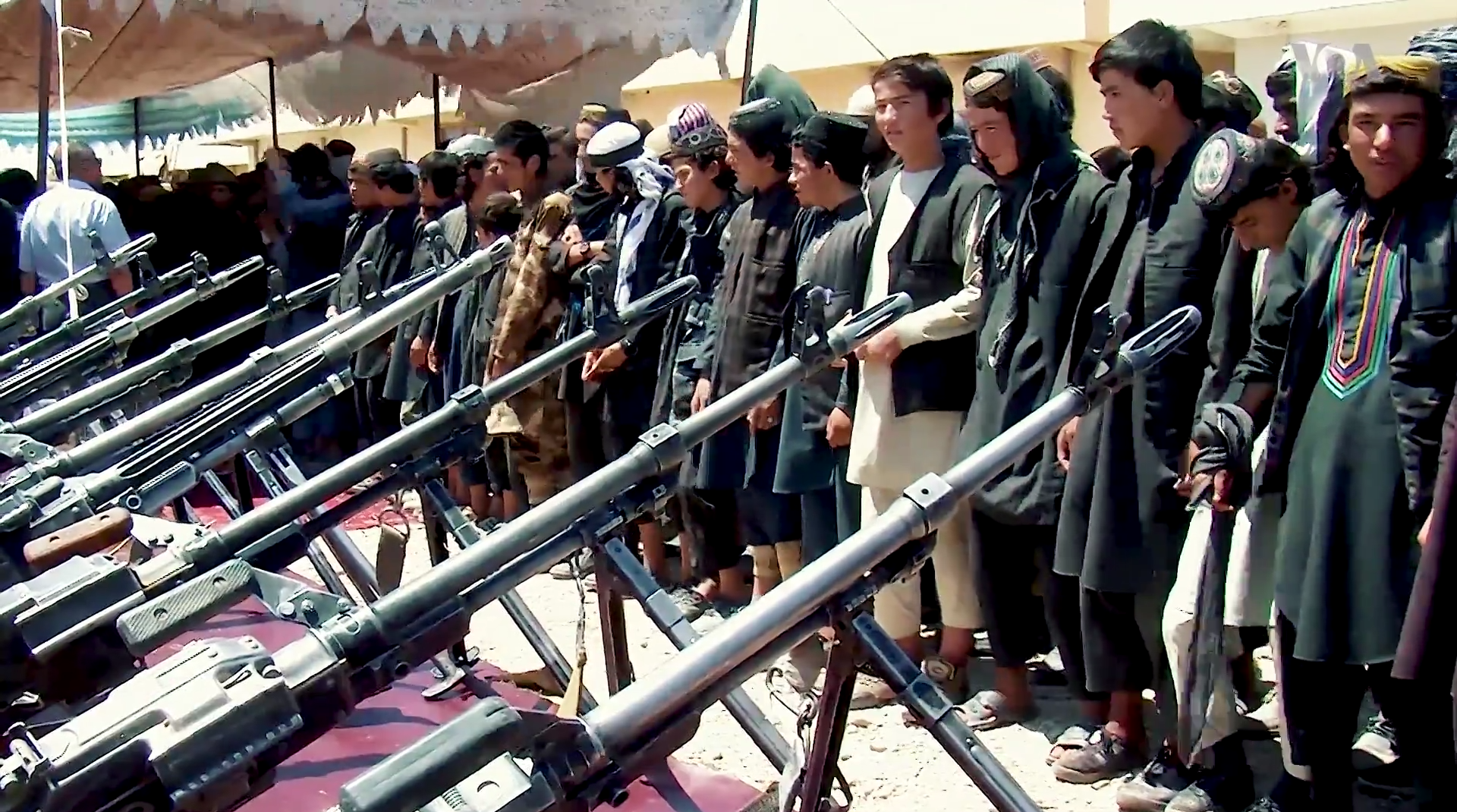
The Islamic State’s Khorasan branch continues to operate across the region despite the Taliban’s efforts to suppress it through local and digital networks.
Decline of ISIS Khorasan in Afghanistan
In recent years, the ISIS Khorasan group has faced significant pressure from the Taliban, resulting in the destruction of many of its bases within Afghanistan. Afghan officials have confirmed that this decline has led to a reduced territorial presence and operational capability for ISIS Khorasan. However, the research organization “Observer” warns that the group’s networks remain active regionally, indicating that their weakening in Afghanistan does not signify the end of their operations.
Development of Transnational Threats
According to Observer, ISIS Khorasan has shifted from reliance on a specific territory to a decentralized approach utilizing local networks. In recent years, the group has employed digital tools and cyberspace for recruitment, propaganda, and coordination of operations. Among these activities is the 2024 attack on the Crocus City concert hall in Moscow, which has been attributed to the group.
Security Challenges for the Taliban and the Region
The ongoing activities of ISIS Khorasan pose not only a security challenge for the Taliban but also raise concerns for Central Asian countries, Pakistan, and even Europe. Observer emphasizes that the continued attacks by ISIS Khorasan, despite its reduced territorial presence, showcase the group’s capability to attract and activate local forces.
The Need for Regional Cooperation
This situation has presented serious challenges to countries in the region. Many of these nations are reluctant to engage in security cooperation with the Taliban to confront the ISIS Khorasan threat, even though collaboration is crucial to effectively address this common danger. The absence of a cohesive regional mechanism to combat transnational terrorist groups allows these organizations to exploit existing security gaps.
-

Taliban Intensifies Pressure on Afghanistan’s Shia Community: Educational Institutions Targeted
-
Funding Crisis Threatens Women’s Organizations in Afghanistan
-
Clashes Erupt in Kamdish as Taliban and Afghanistan Freedom Front Engage in Heavy Fighting
-
Herat’s Trade Boom: Exchanges with Kazakhstan Reach $581 Million
-
Tensions Flare Again Along the Durand Line Amid Conflicting Claims
-
Human Rights Advocates Urge Action Against Taliban’s Suppression of Religious Minorities in Afghanistan