Economic September 22, 2026
Short Link:Economic Growth in Afghanistan Overshadowed by Declining Per Capita Income and Rising Poverty
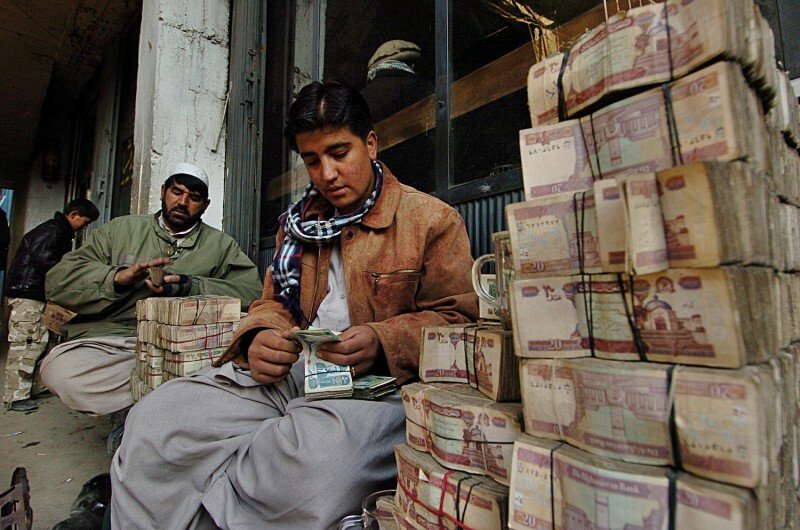
The World Bank and the United Nations Development Programme (UNDP) have raised concerns over the decline in per capita income in Afghanistan. Despite a 4.8% growth in the economy, rising poverty levels and the return of migrants have negatively affected the livelihoods of the local population.
Economic Growth and Declining Per Capita Income
The World Bank and UNDP have recently reported their apprehensions regarding the drop in per capita income in Afghanistan. Though the Afghan economy is projected to grow by 4.8% in 2025, gross per capita income has seen a 5.6% decrease.
This decline reflects a widening poverty crisis and an unprecedented influx of returnees. Economic experts attribute the deterioration to social and economic factors, including the return of 3.7 million Afghans, which has exerted additional pressure on people’s livelihoods and basic needs.
Factors Contributing to Decreased Income
Mohammad Bashir Doodial, an economic affairs expert, explains that net income falls when total revenues and profits decrease or expenses increase. This situation has led to a reduction in per capita income in Afghanistan. Another economic expert, Azarakhsh Hafezi, points out that with the annual population growth rate between 2.3% and 2.9%, economic growth alone cannot guarantee an improvement in living standards.
Reports indicate that Afghanistan’s gross income has fluctuated in recent years. Although gross income is expected to rise from approximately $14.2 billion in 2021 to $20.3 billion by 2025, per capita income continues to decline due to increasing population and living costs.
Concerns About the Future
Mr. Hafezi has warned that if these trends persist, poverty and economic hardships will increasingly impact the daily lives of citizens, diminishing their purchasing power. Moreover, the UNDP has highlighted the growing economic pressures and basic needs of Afghans, stating that by 2025, 74% of the population will struggle to meet essential living requirements.
Meanwhile, international organizations such as the Food and Agriculture Organization (FAO) have predicted that by September 2026, around 13.8 million Afghans could face severe food insecurity.
-

UN Calls for Urgent Action as Afghanistan Faces Deepening Crisis
-
Afghan Families Struggle to Afford Basic Food Items Amid Economic Crisis
-
Afghanistan’s Road Crisis: Over 92% Unpaved, Threatening Access to Healthcare
-
Returnees from Pakistan Face Dire Educational and Economic Challenges for Daughters
-

Traders in Afghanistan Turn to Exchange Offices as Banking Challenges Persist
-
Tensions Flare Again Along the Durand Line Amid Conflicting Claims