Social updated: November 3, 2026
Short Link:UN Report Reveals Alarming 40% of Afghans Facing Food Insecurity This Winter
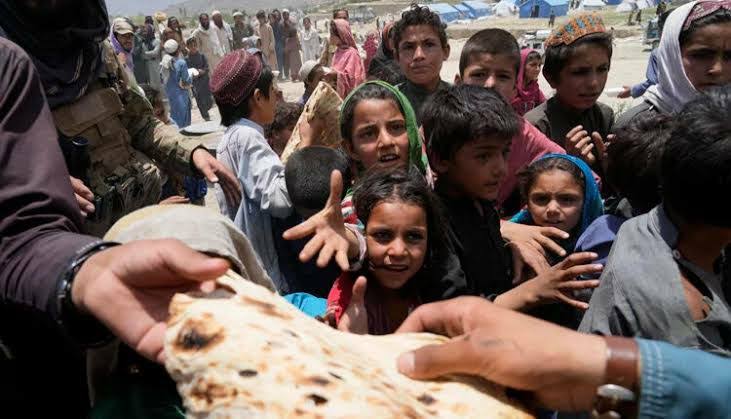
The United Nations warns that around 40 percent of Afghanistan’s population will face food insecurity this coming winter, significantly affecting rural areas.
Warning About Hunger Crisis in Afghanistan
A recent statement from the Food and Agriculture Organization (FAO) and the World Food Programme (WFP) projects that nearly 40 percent of Afghanistan’s population will encounter severe food insecurity this winter. This forecast, released in a report on October 15, indicates that the number of individuals struggling with acute hunger will exceed 19 million.
This figure represents a significant increase from the 17 million reported last year. International organizations have also highlighted that approximately five million people will reach emergency levels of hunger, particularly alarming in highland and rural provinces such as Badakhshan, Badghis, Daykundi, Ghor, Samangan, Sar-e Pol, and Ghazni.
The Risk of Malnutrition for Women and Children
UNICEF has issued a warning that over four million children and 1.3 million pregnant women will face severe and moderate malnutrition in the coming year. These statistics are unprecedented in the past five years. Health experts in the country’s eastern provinces attribute the rising food insecurity and malnutrition to increasing poverty, unemployment, natural disasters, reduced agricultural outputs, and declining purchasing power.
UNICEF further noted the decrease in international aid and the shortage of medicines and food in healthcare facilities, identifying these shortages as key factors contributing to the suffering of 1.9 million children from acute malnutrition. As of now, the Taliban government has not responded to the latest warnings from these international organizations.
-

Taliban Leader Hibatullah Akhundzada Named Among Key Threats to Media Freedom Worldwide
-
Humanitarian Crisis Deepens in Afghanistan as Funding Falls Short
-
National Polio Vaccination Campaign Launches in Afghanistan
-
UN Envoy Calls for Urgent Protection of Journalists in Afghanistan
-
UNICEF Urges Urgent Vaccination Efforts as Polio Cases Rise in Afghanistan
-
Taliban Bans Firecrackers in Afghanistan to Enhance Public Safety