Economic updated: November 3, 2026
Short Link:Afghan Households Struggle as Fuel and Gas Prices Surge
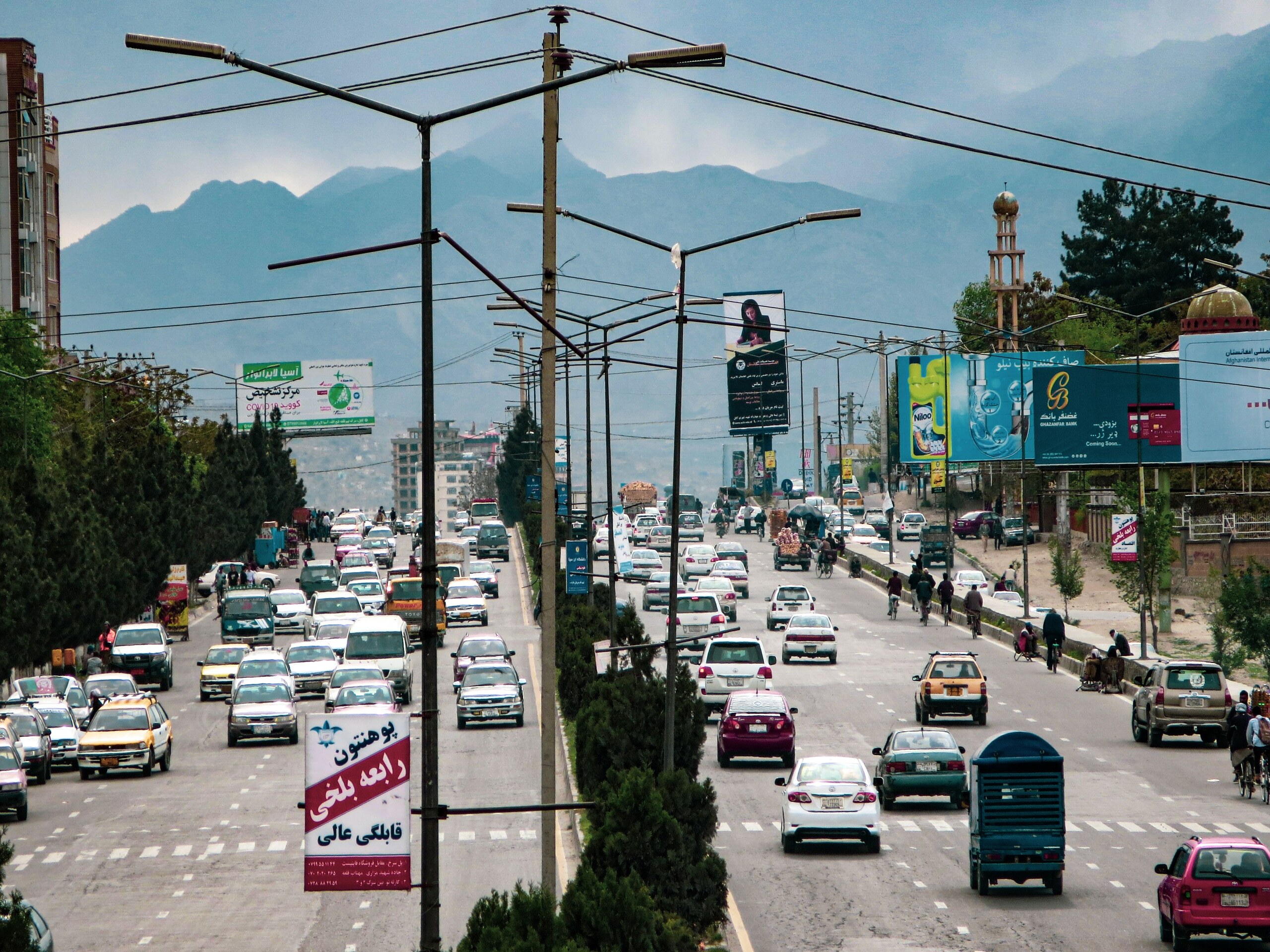
The rise in global fuel and gas prices has intensified the economic strain on Afghan families, prompting residents in various provinces to voice their concerns over escalating living costs.
Significant Increase in Fuel and Gas Prices in Afghanistan
The recent surge in global fuel prices has sharply raised living and transportation costs in Afghanistan, placing an additional burden on households. Residents in various provinces, including Kunar and Paktia, have expressed worry over the hike in fuel and gas prices, indicating that this situation has forced them to reduce their use of personal vehicles and shift towards public transportation.
Fuel Prices Hit $1,500; Pressures on Households Intensify
Citizens have pointed out that the rise in fuel prices extends beyond transportation, impacting the cost of food and essential goods as well. With winter approaching, concerns about securing necessary fuel supplies have heightened.
Business Leaders Respond to Price Increases
Traders and economic stakeholders have confirmed that global rates have seen a considerable upturn in recent months. According to the chambers of commerce, the price of each ton of imported fuel has increased from $1,100 to $1,500, while the price of liquefied gas has climbed to $1,000. However, due to Afghanistan’s proximity to exporting countries like Iran, Turkmenistan, Azerbaijan, and Russia, along with lower transit costs, the price increases in Afghanistan have been less severe compared to some neighboring countries.
Price Surges in Kabul Municipality
As per the latest pricing list from Kabul Municipality for the month of Mirza, the cost of liquefied gas has risen to 64 Afghanis per kilo, while the price for a liter of petrol and diesel has reached 89 and 79 Afghanis respectively, showing an increment of 6 to 11 Afghanis compared to previous months. Nevertheless, officials from the Ministry of Industry and Commerce have not made any comments regarding this matter.
Economic Experts Issue Warnings
Economic experts are cautioning about the spillover effects of rising energy costs on various sectors, including agriculture and industry. They emphasize the need for establishing strategic fuel reserves, developing transit routes, and investing in domestic energy resources to mitigate the negative impact of global market fluctuations on people’s livelihoods.
-

Afghan Families Struggle as Food Prices Soar Ahead of Winter
-
Afghanistan’s Airspace Revenue Soars with Increased International Flights
-
As Winter Approaches, Afghan Families Rely on Private Gardens for Firewood
-

Afghan Families Struggling Amid Soaring Food Prices and Economic Crisis
-
World Food Programme Launches Relief for Afghan Families Amid Growing Border Conflicts
-
As Autumn Approaches, Displaced Afghan Families Struggle for Survival Amidst Economic Hardships




FEATURED
-
Google to Invest $40 Billion in Texas, Boosting AI and Cloud Infrastructure by 2027
-
Federal Court Documents Expose Teenagers’ Exposure to Explicit Content on Instagram
-
Europe Faces Unprecedented Heatwaves and Wildfires as Climate Crisis Intensifies
-
Australia Implements Strict Social Media Ban for Teens Under 16


