Economic updated: November 3, 2026
Short Link:Afghan Families Struggle as Food Prices Soar Ahead of Winter
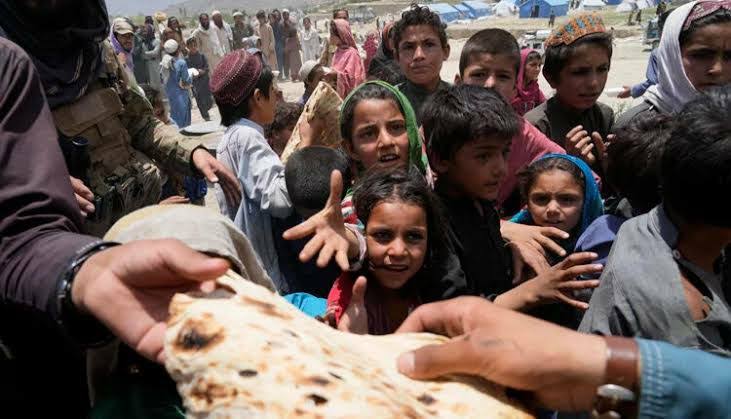
The rising cost of food as winter approaches is significantly impacting families’ purchasing power and leading to nutritional deficiencies in their diets. Experts emphasize the necessity for fundamental changes in the economy.
Soaring Food Prices Challenge Afghan Households
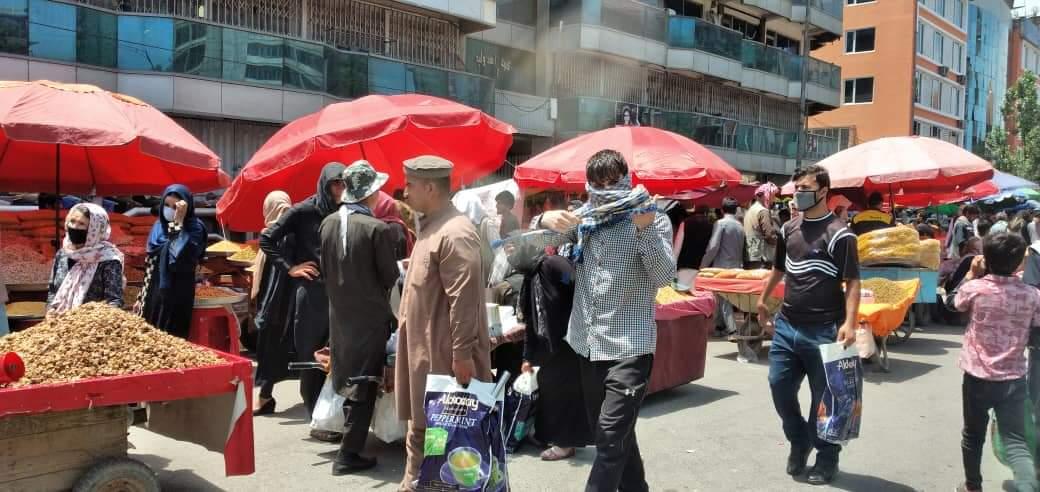
As winter sets in, food prices in Afghanistan have surged dramatically, severely affecting families’ ability to afford essential goods. The costs of basic items such as flour, oil, rice, and sugar continue to climb.
A resident of Kabul, responsible for supporting his family of seven, expresses his struggles to purchase necessary food items due to rising prices. He notes that the price of a sack of flour has reached 1,800 Afghanis, while a kilogram of sugar is now nearly 80 Afghanis. This situation has forced his family to completely eliminate meat from their diet.
Families in Kabul and Logar Forced to Cut Back on Protein
Meanwhile, Gulthum, a mother of eight from Logar Province, voices her inability to provide protein-rich foods for her children, explaining that poverty and unemployment have pushed her to buy cheaper vegetables instead.
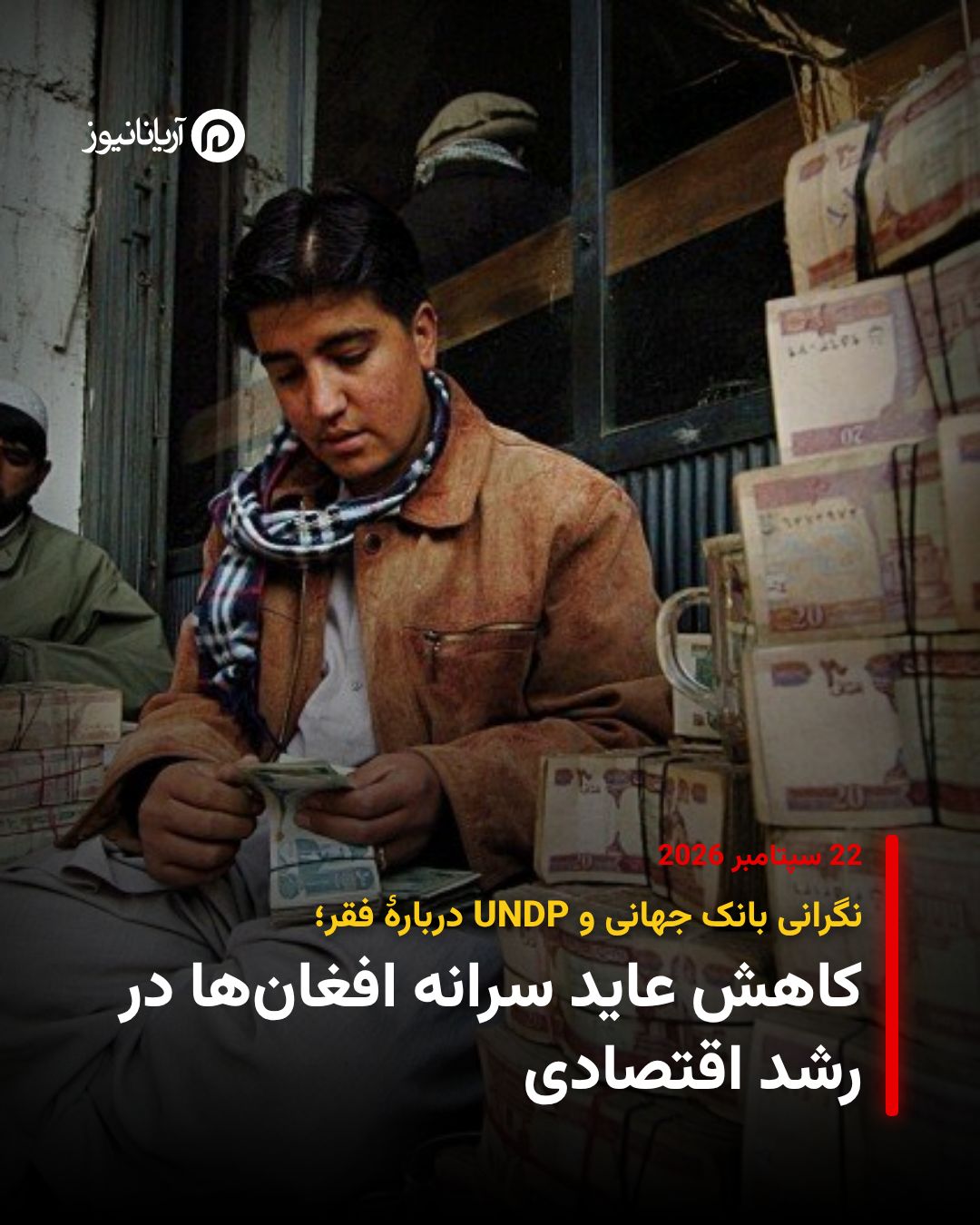
According to recent assessments by the World Food Programme (WFP), despite the relatively stable exchange rate of the Afghan currency (about 64.9 Afghanis per US dollar), food prices in markets remain high. The international organization argues that trade route blockages and supply pressures continue to influence the prices of wheat, flour, rice, and oil.
Experts: Economic Improvement Requires Fundamental Changes
Azarakhsh Hafezi, an economic analyst, points to transit issues and the closure of borders with Pakistan as significant challenges affecting merchants. He explains that these obstacles force traders to use more expensive alternative routes with longer transit times.
He further emphasizes that without establishing suitable political infrastructure, attracting international aid, and reducing unemployment rates, improving the purchasing power of the Afghan people will not be feasible.
-

Nangarhar Families Struggle as Trade Blockade Drives Up Essential Goods Prices
-
UN Report Reveals Alarming 40% of Afghans Facing Food Insecurity This Winter
-
Urgent Call for Aid as Thousands of Families Return to Afghanistan Before Winter
-
As Winter Approaches, Afghan Families Rely on Private Gardens for Firewood
-
Afghan Households Struggle as Fuel and Gas Prices Surge
-

Afghan Families Struggling Amid Soaring Food Prices and Economic Crisis