Economic updated: November 3, 2026
Short Link:As Winter Approaches, Afghan Families Rely on Private Gardens for Firewood
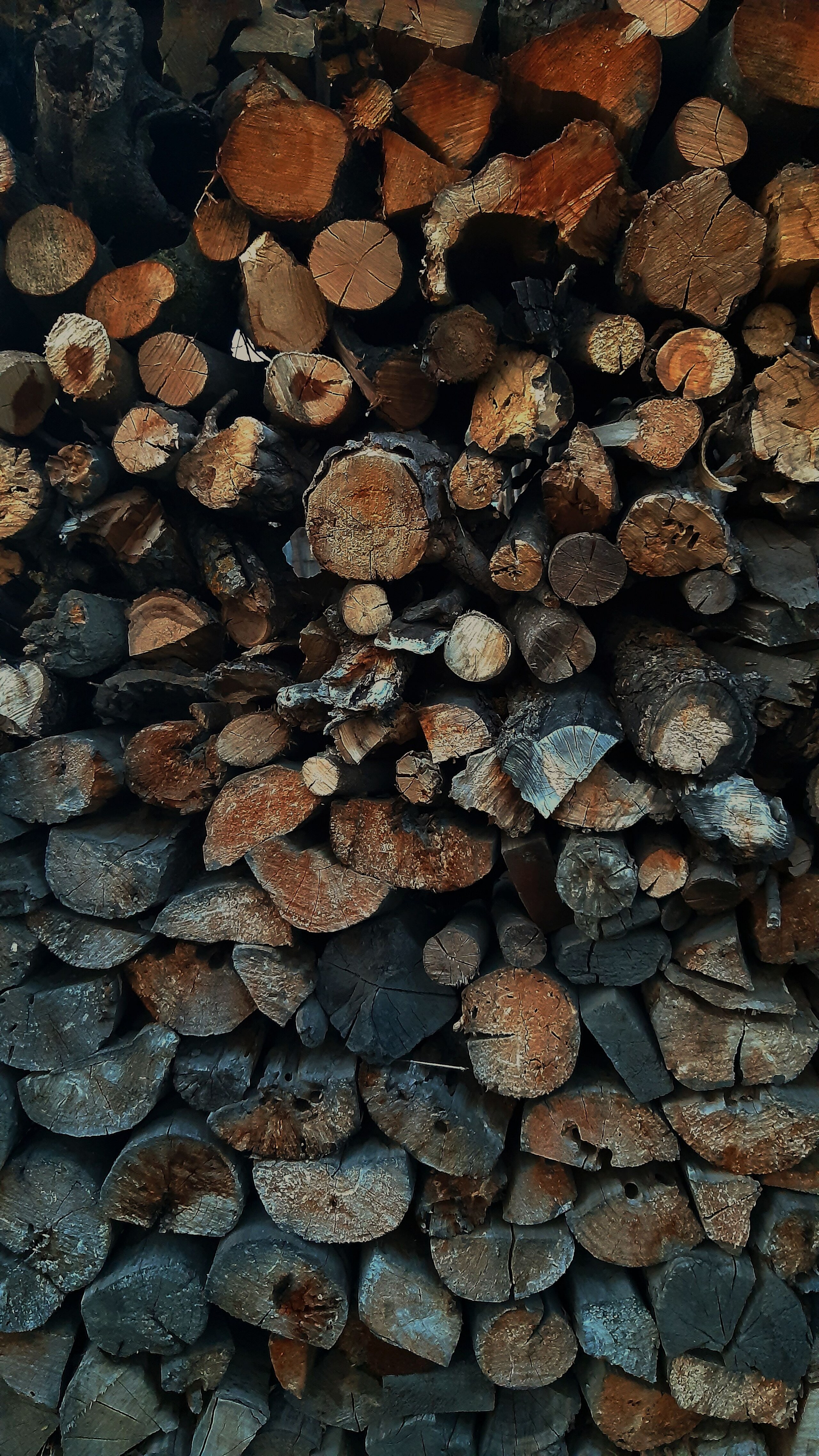
As winter approaches and the demand for firewood rises, Afghan families have turned to collecting wood from their private gardens.
Winter Season Brings Increased Demand for Firewood in Afghanistan
The cold season has officially begun in Afghanistan, significantly raising the need for fuel materials. Consequently, stricter regulations have been enforced on the cutting of forest trees, greatly affecting the firewood market.
Firewood Sourced from Gardens; Country Has 1.78 Million Hectares of Forest
Reports from Paktia, Khost, Kunar, and Nuristan provinces indicate that the majority of the country’s firewood comes from private gardens and dry wood. Local regulations and heavy penalties have made illegal logging in mountainous areas difficult, with the collection of bushes and dry branches permitted only at specific times.
Taliban Deploys Special Forces to Protect Forests
Despite these measures, concerns remain regarding the illegal cutting of certain fruit trees and timber smuggling. Taliban authorities have announced the formation of special units called “Green Unit” to protect forests and prevent wood trafficking.
Oak Wood; The Top Fuel Choice in Kabul’s Market
Wood traders in Kabul report that, despite a variety of fuel options available, oak wood has the highest demand due to its thermal durability. The price for a load of oak wood has reached approximately 12,000 Afghanis, indicating its higher cost compared to other types of wood.
Strict Regulations on Tree Cutting; Effects on Firewood Provision
According to statistics from the Ministry of Agriculture, Irrigation, and Livestock, Afghanistan currently has 1.78 million hectares of forest, with efforts ongoing to increase this to 1.9 million hectares. Environmental specialists view the managed use of garden wood as a suitable approach for preserving vegetation and maintaining the ecological chain of forests.
-

Taliban Reinforces Controversial Virtue Law Amidst Global Scrutiny
-
Taliban Leader Hibatullah Akhundzada Named Among Key Threats to Media Freedom Worldwide
-
Taliban Expresses Concern Over U.S. Plans to Transfer Afghan Refugees to Pakistan
-
Pakistan’s Military Issues Stern Warning to Taliban Amid Rising Tensions
-
Concerns Grow as Taliban Detains Women Over Dress Code Violations in Afghanistan
-

Escalating Border Conflicts: Taliban and Pakistan Exchange Accusations Amidst Violence in Angoor Ada