17 Years, $900 billion and 3 Presidents Later, America Still in Afghanistan
The Afghanistan War: A Comprehensive Analysis of Its Impact and Legacy
Ariana News Agency –
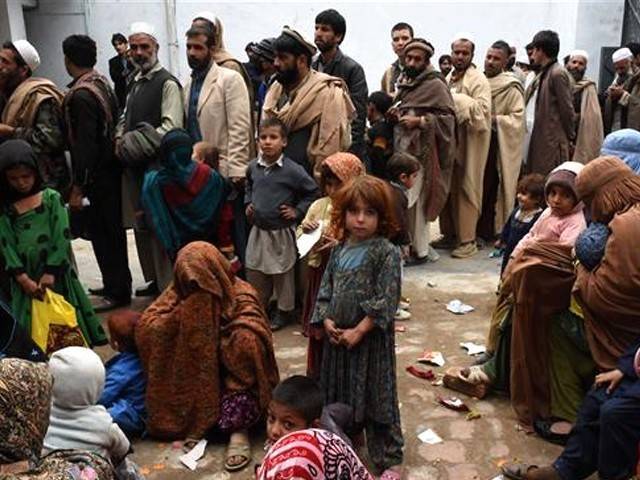
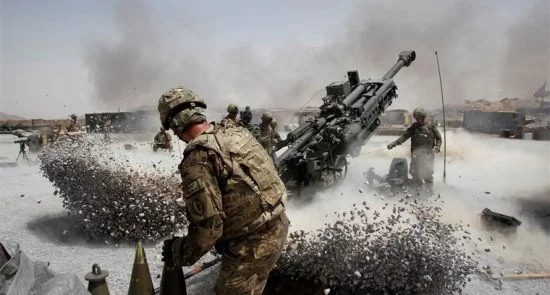
The Afghanistan War, a protracted conflict that spanned two decades, has left an indelible mark on both the nation of Afghanistan and the international community. Since the beginning of the war, the United States has invested over $900 billion in military and civilian support. This staggering sum does not account for the human toll, including the lives lost and the tens of thousands wounded.
America’s Investment: Lives, Time, and Treasure
The financial cost of the Afghanistan War is immense, but the human cost is immeasurable. The U.S. military presence was crucial in maintaining a semblance of stability in the region. Afghanistan’s army, while established, faced significant challenges in countering the Taliban insurgency, which controlled more than half of the country. Without U.S. support, the Afghan forces struggled to maintain control.
On the civilian side, the Afghan government remained heavily reliant on international aid, despite possessing proven reserves of valuable minerals, including lithium and rare earth elements, estimated to be worth over a trillion dollars. This dependency underscores the challenges faced by the Afghan government in achieving self-sufficiency.
The Illicit Economy: A Shadow Over Afghanistan
One of the most significant challenges facing Afghanistan is its illicit economy, which dwarfs the legal economy. The criminal extraction of minerals and the production and smuggling of opium fuel the insurgency and corrupt the entire society. Afghanistan is responsible for producing 90 percent of the global supply of opium, with an estimated street value of over $60 billion. The EU has backed efforts to reduce poppy cultivation in an attempt to curb this illicit trade.
Geopolitical Ramifications of the Afghanistan War
The impact of the Afghanistan War extends beyond its borders, influencing geopolitical dynamics in the region. The withdrawal of U.S. forces has raised concerns about regional stability. The Chinese Ambassador has cautioned against using the withdrawal to destabilize the region further.
Meanwhile, regional powers have shown interest in Afghanistan’s future. India, for example, has pledged to assist in rebuilding efforts, including the construction of the Shahtoot Dam in Kabul, highlighting the strategic importance of Afghanistan in South Asia.
The Taliban’s Role in the New Afghanistan
With the Taliban’s resurgence, the group has sought to position itself as a legitimate political entity. During international events, such as the Hajj, the Taliban has expressed support for causes like the Palestinian struggle, as seen in their support for the Palestinian people. This move indicates the Taliban’s desire to engage with the global community and reshape its image.
Looking Forward: Challenges and Opportunities
As Afghanistan navigates its post-war reality, several challenges and opportunities lie ahead. The nation must address its reliance on the illicit economy and work towards sustainable development. International support will be crucial in rebuilding efforts and ensuring stability in the region.
Furthermore, the geopolitical landscape will continue to evolve as regional powers vie for influence in Afghanistan. The international community must remain vigilant and supportive to ensure that Afghanistan does not become a breeding ground for extremism and instability.
Conclusion: The Lasting Legacy of the Afghanistan War
The Afghanistan War has left a complex legacy, marked by immense financial costs, human suffering, and geopolitical shifts. As the nation rebuilds, it faces the daunting task of addressing its internal challenges while navigating an uncertain international landscape. The world will be watching closely as Afghanistan charts its path forward, hoping for a future of peace and stability.
-

Pakistan Doubts Taliban’s Commitment to Curb TTP Violence
-
Russia Warns Against Western Military Expansion in Central Asia Amid Afghan Threat Exaggerations
-
Afghan Returnees Struggle with Employment and Housing Challenges Amid Economic Crisis
-
Taliban Aims to Strengthen Economic Ties with Russia During Recent Trade Talks
-
Taliban Defends Protest Ban as Islamic Law Faces Backlash from Scholars and Activists
-
Afghan Widows Face Crushing Struggles Amid Economic Hardship