TAPI Pipeline Nears Herat, but Route to Pakistan and India Remains Uncertain
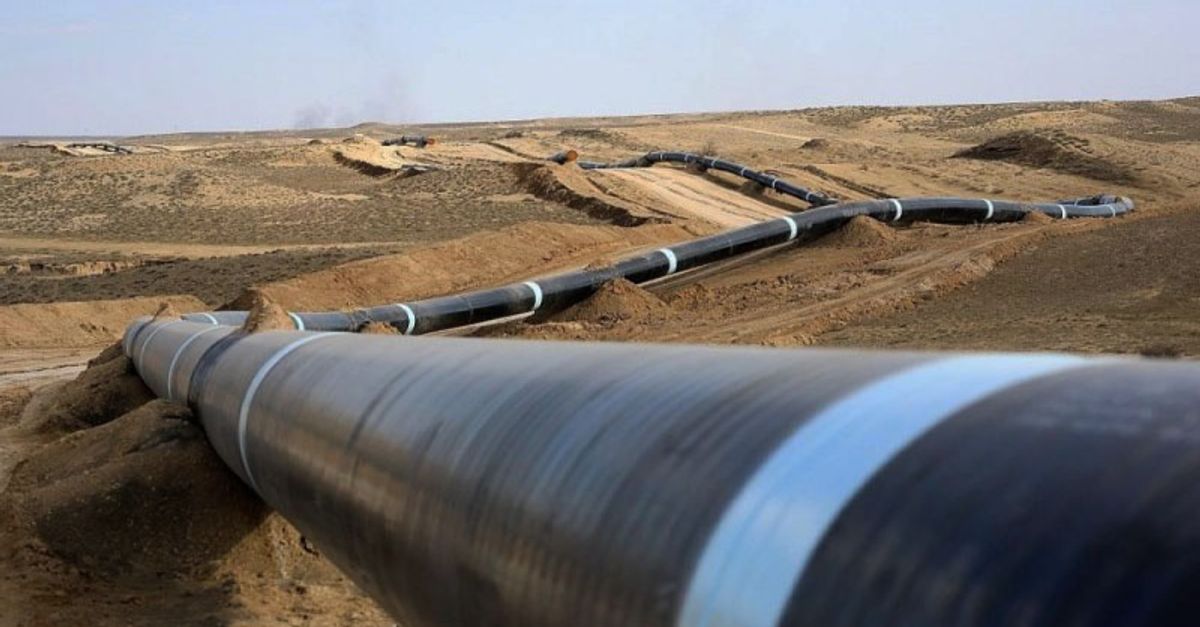
Turkmen officials say the TAPI gas pipeline has reached the outskirts of Herat, with this section expected to enter service by the end of 2026. The project’s eventual extension to Pakistan and India, however, remains uncertain.
TAPI pipeline reaches outskirts of Herat after years of delays
Turkmen officials say the gas pipeline known as TAPI has reached the outskirts of Herat and that the section under construction is expected to be operational by the end of 2026. Recent satellite images appear to confirm progress on the project.
Pipeline work is 22 kilometres from Herat
At an energy conference in Ashgabat, Turkmen officials said the pipeline had advanced close to Herat. Satellite images taken on November 7 show pipe-laying work heading towards a construction site about 22 kilometres west of Herat’s industrial park.
Pipeline’s future beyond Afghanistan remains uncertain
The project is estimated to cost around $10 billion, and interest from India and Pakistan had waned by 2024. But energy-market pressures linked to tensions in the Middle East and Iran’s closure of the Strait of Hormuz have renewed attention to Turkmenistan’s gas supplies. Pakistan’s ambassador to Turkmenistan has also reaffirmed Islamabad’s commitment to advancing the project.
Chinese and Russian investment could prove crucial
John M. Roberts, a researcher with the Atlantic Council in the UK, says TAPI has become a matter of national prestige for Turkmenistan. He says the $600 million cost of the Herat section could be the starting point for efforts to attract new partners to extend the pipeline to Kandahar and Pakistan. Taliban officials have said Russia may help finance the project.
On-the-ground challenges and fresh hopes for Herat residents
If completed, the project would provide Afghanistan with a share of the gas as well as hundreds of millions of dollars a year in transit fees. Local sources say construction faces practical challenges, including unexploded ordnance, and that all technical work is being carried out by Turkmen engineers.
The pipeline, which is 1.42 metres in diameter, has raised hopes among residents of the region. Some see its progress as a tangible sign of promise, while others worry about whether gas will be available at affordable prices. Under the original plan, Afghanistan would receive just 5 per cent of TAPI’s gas, with the remaining 95 per cent divided between Pakistan and India.


