New Taliban Law Raises Concerns Over Quality of Afghan Higher Education
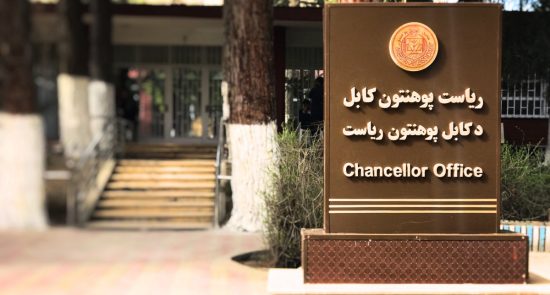
The Taliban’s Ministry for Promotion of Virtue and Prevention of Vice has announced the integration of a new law into the curriculum of Afghanistan’s universities. This initiative, which requires mandatory seminars and allocates course credits across various academic levels, has raised significant concerns among students and experts about a potential decline in academic quality and a disengagement from global standards.
Implementation of the New Law and Associated Reactions
According to an official statement from the spokesperson of the Taliban’s Ministry for Promotion of Virtue and Prevention of Vice, the new regulations have formally been incorporated into the educational programs of universities nationwide. Reports from Kabul and provinces such as Herat, Badakhshan, Nangarhar, and Parwan indicate that representatives from this ministry have been conducting mandatory seminars on university campuses for about a week. These sessions have been taking up to three hours of class time for students during both morning and evening shifts.
Students in specialized fields, particularly in computer sciences, express concerns that the introduction of these new compulsory units, alongside previous subjects like Islamic Culture, bears no relevance to their professional goals. They argue that such requirements hinder their focus on modern technologies and scientific research.
Details of the 35-Article Law and Previous Reactions
This law, which is now part of higher education programs, was previously ratified by the Taliban leadership in four chapters comprising 35 articles, and it was published in the official gazette. Its provisions include extensive restrictions on women’s dress and social presence, such as banning women’s voices from being heard in public forums and requiring full face and body coverage. The law also imposes stringent regulations on the appearance and conduct of men.
The approval of these regulations had already faced widespread criticism domestically and negative reactions from international organizations, including the United Nations and the Organization of Islamic Cooperation. However, relevant officials have dismissed foreign criticisms, labeling the enforcement as an unnegotiable religious obligation.
Experts Warn About the Deterioration of Academic Standards and Job Market Future
Experts and higher education advocates argue that shifting academic priorities and replacing specialized courses with prescriptive topics will severely damage the academic integrity of the country. Asadullah Zaki, a religious scholar and education advocate, believes that university curricula should be based on the real needs of society, academic standards, and practical skills, to enable graduates to compete in the international job market.
Education analysts warn that the continuation of this trend, coupled with ongoing challenges such as lack of teaching materials and laboratory equipment, will drastically reduce students’ motivation to pursue further education and exacerbate Afghanistan’s educational gap with the contemporary world.
FEATURED
-

Google to Invest $40 Billion in Texas, Boosting AI and Cloud Infrastructure by 2027
-
Federal Court Documents Expose Teenagers’ Exposure to Explicit Content on Instagram
-
Europe Faces Unprecedented Heatwaves and Wildfires as Climate Crisis Intensifies
-
Australia Implements Strict Social Media Ban for Teens Under 16


