Record Surge in Deportations of Afghan Nationals from Pakistan Amid Rising Tensions
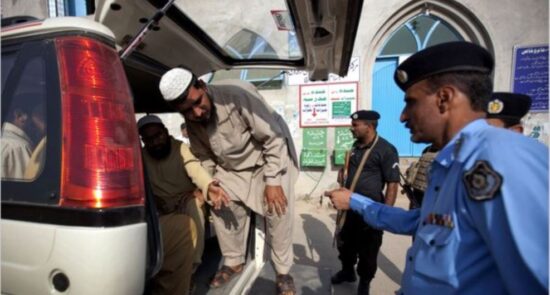
According to a recent report from the International Organization for Migration (IOM) and the United Nations High Commissioner for Refugees (UNHCR), the number of Afghan nationals being expelled from Pakistan surged by 33% during the first week of February 2026.
Escalating Pressure in February: A 33% Surge in Deportations
In a recently released joint report by UN migration agencies, the situation for Afghan refugees in Pakistan has been described as critical. The report indicates that between February 1 and 7 alone, 2,013 Afghan citizens were detained by Pakistani security forces and forcibly expelled across the border. This represents a staggering 33% increase compared to the last week of January, highlighting an unprecedented escalation in police operations across various provinces in Pakistan.
Fear of Arrest: The Sole Motive for Return
A particularly alarming aspect of the IOM report focuses on the psychological impact on returnee migrants. In interviews with individuals who returned to Afghanistan, an overwhelming 99% reported that their sole reason for leaving their homes in Pakistan was the fear of arrest by the police and experiences of violence. This suggests that the returns have not been voluntary, contrary to claims made by Islamabad officials, but rather the result of a pervasive atmosphere of fear that compels refugees to abandon their homes.
38,000 Returns in 15 Days: Added Strain on Kabul
The trend of returns in January was also reported as extremely heavy. In the last two weeks of the previous month, over 38,000 individuals entered Afghanistan through official borders. The abrupt influx of such a large population in the midst of winter has placed additional strain on the already limited resources of the current Afghan government and aid organizations. Many of these families are enduring dire humanitarian conditions in neighboring provinces, lacking adequate shelter and financial resources.
Legal and Humanitarian Challenges at the Southern Borders
Experts believe that Pakistan’s use of migrant cases as a political leverage constitutes a blatant violation of international refugee conventions. Given that most of these individuals have resided in Pakistan for years, their sudden expulsion poses not only a security crisis for Kabul but also a humanitarian disaster for families who have left all their belongings behind and are now crossing borders with little more than the clothes on their backs.
-

Surge of Afghan Migrants Return Home Amid Rising Deportations from Pakistan
-
UN Rapporteur Urges Investigation into Afghan Migration Tragedy Following Loss of 19 Lives
-
Rising Human Trafficking Threat in Afghanistan: UN and IOM Warn of Alarming Vulnerabilities
-
UN Security Council Faces Crucial Decision on Afghanistan Mission Amidst Deepening Divisions
-
Taliban Reports Severe Civilian Casualties and Displacement Amidst Cross-Border Attacks from Pakistan
-
Crisis Deepens for Afghan Refugee Children in Pakistan: UN Report Highlights Urgent Needs


FEATURED
-
New Evidence Reveals Alarming Exposure to Explicit Content Among Teens on Instagram
-
Europe Faces Unprecedented Heatwaves and Wildfires as Climate Crisis Intensifies
-
Australia Implements Strict Social Media Ban for Teens Under 16
-
Alarming Survey Reveals One in Ten Women in British Armed Forces Experience Sexual Violence


